

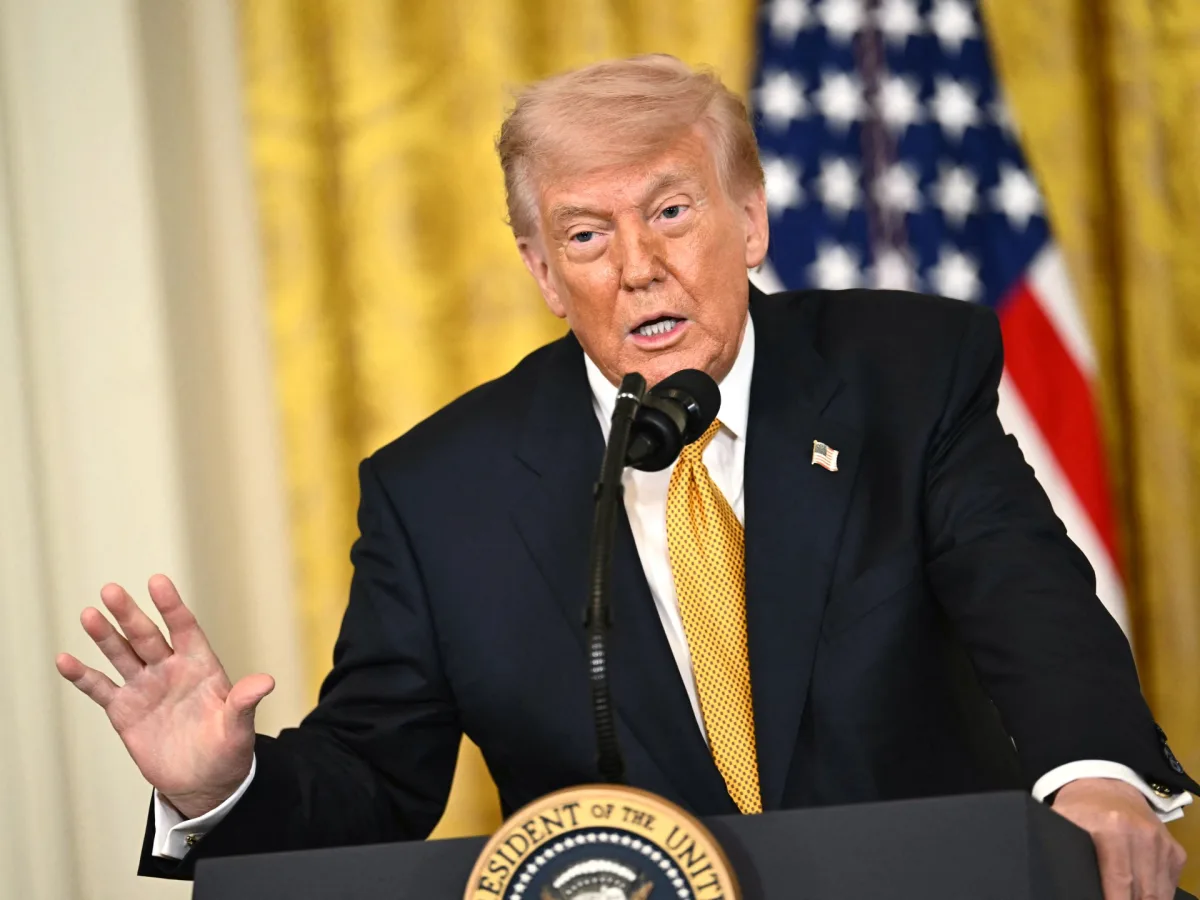
The US and Iran have been locked in a bitter standoff for months, with both sides exchanging heated rhetoric and engaging in a series of provocative actions. But in a surprise move, Donald Trump, the President of the United States, has revealed that the two countries have been holding secret talks, and that these discussions have been 'very good'. This announcement has sparked hopes that a deal to end the war may be on the horizon. Trump's comments came after a meeting with his advisors, and they mark a significant shift in tone from the President, who has previously been highly critical of Iran. The Iranian government has also confirmed that it is reviewing a US proposal, which has been described as a potential 'roadmap' for a future agreement.
The war between the US and Iran has been simmering for years, but it escalated dramatically in January, when a US drone strike killed a top Iranian general, Qasem Soleimani. Iran responded by launching a series of missile attacks against US military bases in Iraq, and the situation has been tense ever since. But despite the rhetoric, there have been hints that both sides are open to a deal. Trump has repeatedly said that he is willing to talk to the Iranians, and Iranian leaders have also signaled that they are open to negotiations. The big question now is whether these talks can lead to a lasting agreement, and what such a deal might look like.
One thing is clear: the stakes are high, and the consequences of failure could be catastrophic.
The US proposal that is currently being reviewed by Tehran is shrouded in secrecy, but it is believed to include a range of economic and security guarantees. The US has been imposing tough sanctions on Iran for years, which have had a devastating impact on the country's economy. But Trump has hinted that these sanctions could be lifted if Iran agrees to certain conditions, such as limiting its nuclear program and ending its support for militant groups in the region. The Iranians, for their part, are likely to demand significant concessions from the US, including an end to the sanctions and a withdrawal of US troops from the region. It's a complex and delicate negotiation, and it's far from clear whether a deal can be reached.
The situation is further complicated by the fact that there are many different factions and interests at play, both within the US and Iran. In the US, there are many lawmakers and officials who are deeply skeptical of Iran and opposed to any deal that might be seen as too soft. In Iran, there are also many hardliners who are opposed to negotiations with the US, and who may try to undermine any agreement that is reached. But despite these challenges, there are also many people on both sides who are pushing for a deal, and who believe that it is the only way to avoid a catastrophic war. The next few weeks and months will be crucial in determining whether these efforts are successful.
Key Facts
- The US and Iran have been holding secret talks, according to Donald Trump.
- The talks have been described as 'very good' by Trump.
- Tehran is reviewing a US proposal, which is believed to include economic and security guarantees.
- The US has been imposing tough sanctions on Iran for years, which have had a devastating impact on the country's economy.
- Iran has been supporting militant groups in the region, which has been a major point of contention with the US.
- The US and Iran have been at odds for decades, with the current tensions escalating dramatically in January.
- Qasem Soleimani, a top Iranian general, was killed in a US drone strike in January.
- Iran responded to the killing by launching missile attacks against US military bases in Iraq.
- The US has around 5,000 troops in Iraq, and there are concerns that they could be targeted by Iranian-backed militants.
- The sanctions imposed by the US on Iran have had a major impact on the country's economy, with inflation soaring and the value of the currency plummeting.
- The Iranian government has been struggling to respond to the economic crisis, with many people taking to the streets to protest.
The History of US-Iran Relations
The US and Iran have a long and complex history, with tensions between the two countries dating back decades. The current situation is the latest chapter in a saga that has included everything from hostage crises to military confrontations. One of the key moments in the history of US-Iran relations was the 1979 Iranian Revolution, which saw the overthrow of the US-backed Shah and the establishment of an Islamic republic. The US responded to the revolution by imposing sanctions on Iran, which have been in place ever since. Over the years, the US and Iran have had many points of contention, including Iran's nuclear program, its support for militant groups, and its human rights record.
The US and Iran have also had many periods of relative calm, during which they have been able to negotiate and reach agreements. One example of this was the nuclear deal that was reached in 2015, which saw Iran agree to limit its nuclear program in exchange for the lifting of sanctions. But the deal was highly controversial, and it was eventually withdrawn by the US in 2018. Since then, tensions between the US and Iran have escalated dramatically, with both sides engaging in a series of provocative actions. The current talks between the US and Iran are the latest attempt to find a way out of this cycle of tensions and reach a lasting agreement.
The history of US-Iran relations is complex and multifaceted, and it involves many different players and interests. One of the key figures in the history of US-Iran relations is Henry Kissinger, the former US Secretary of State who played a major role in shaping US policy towards Iran during the 1970s. Kissinger was a key advisor to President Richard Nixon, and he was instrumental in negotiating the Shah's return to power in Iran. But Kissinger's legacy is highly controversial, and many people in Iran view him as a symbol of US imperialism and interference.
The Role of Other Countries
The US and Iran are not the only countries involved in the current tensions, and many other nations are playing a significant role in the crisis. One of the key players is Saudi Arabia, which has been a major rival of Iran in the region for many years. The Saudis have been strongly opposed to the Iranian nuclear deal, and they have been pushing for a tougher line against Tehran. But other countries, such as the Europeans, have been more supportive of the deal, and they have been working to try to salvage it. The Russians and Chinese have also been involved in the crisis, and they have been seeking to exploit the tensions between the US and Iran for their own gain.
The role of other countries in the crisis is complex and multifaceted, and it involves many different interests and motivations. One of the key factors is the struggle for influence in the region, with many countries seeking to expand their power and prestige. The Saudis, for example, have been seeking to consolidate their position as the leading power in the Middle East, while the Iranians have been trying to challenge their dominance. The US, meanwhile, has been seeking to maintain its influence in the region, while also protecting its interests and allies. The Europeans, Russians, and Chinese have their own interests and motivations, and they have been seeking to navigate the crisis in a way that advances their own goals.
The involvement of other countries in the crisis has added an extra layer of complexity to the situation, and it has made it even more difficult to find a resolution. But it has also created opportunities for diplomacy and negotiation, and many countries are working to try to find a way out of the crisis. The next few weeks and months will be crucial in determining whether these efforts are successful, and whether the US and Iran can reach a lasting agreement.
The Economic Impact
The tensions between the US and Iran have had a major impact on the global economy, with many countries and industries affected by the crisis. One of the key areas of concern is the price of oil, which has been volatile in recent months due to the tensions in the region. The US is a major importer of oil, and any disruption to supplies could have a significant impact on the economy. The Iranians, meanwhile, are heavily reliant on oil exports, and any disruption to their sales could have a devastating impact on their economy.
The economic impact of the crisis is not limited to the oil industry, and many other sectors are also affected. The sanctions imposed by the US on Iran, for example, have had a major impact on the country's economy, with inflation soaring and the value of the currency plummeting. The Iranians have been struggling to respond to the economic crisis, with many people taking to the streets to protest. The US has also been affected by the crisis, with many businesses and industries impacted by the sanctions and the tensions in the region.
The economic impact of the crisis is a major concern for many countries, and it has been a key factor in the negotiations between the US and Iran. The Iranians are seeking to have the sanctions lifted, and they are pushing for a deal that will allow them to rebuild their economy. The US, meanwhile, is seeking to maintain its economic leverage over Iran, and it is pushing for a deal that will limit Iran's ability to develop its nuclear program. The next few weeks and months will be crucial in determining whether a deal can be reached, and what the economic impact of the crisis will be.
The Human Cost
The tensions between the US and Iran have had a major human cost, with many people affected by the crisis. One of the key areas of concern is the humanitarian situation in Iran, where many people are struggling to access basic necessities like food and medicine. The sanctions imposed by the US have had a devastating impact on the Iranian economy, and many people are struggling to make ends meet. The Iranians have been pushing for the sanctions to be lifted, and they have been seeking to find ways to mitigate the impact of the crisis on the most vulnerable members of society.
The human cost of the crisis is not limited to Iran, and many other countries are also affected. The US, for example, has a significant Iranian-American population, and many people in the US are concerned about the impact of the crisis on their families and friends. The crisis has also had a major impact on the region as a whole, with many countries affected by the tensions and the sanctions. The next few weeks and months will be crucial in determining whether a deal can be reached, and what the human cost of the crisis will be.
The humanitarian situation in Iran is a major concern, and it is essential that we find a way to address the needs of the most vulnerable members of society. The sanctions imposed by the US have had a devastating impact on the Iranian economy, and many people are struggling to access basic necessities like food and medicine. It is essential that we find a way to lift the sanctions and allow the Iranians to rebuild their economy.
The Future of US-Iran Relations
The future of US-Iran relations is uncertain, and it is difficult to predict what will happen next. But one thing is clear: the current tensions between the US and Iran are unsustainable, and a deal is needed to find a way out of the crisis. The US and Iran have been talking for months, and they have made significant progress in recent weeks. But there are still many obstacles to overcome, and it will not be easy to reach a lasting agreement.
The future of US-Iran relations will depend on many factors, including the outcome of the current negotiations and the actions of other countries in the region. The US and Iran will need to find a way to address their differences and build trust, and they will need to work together to find a way out of the crisis. The next few weeks and months will be crucial in determining the future of US-Iran relations, and it is essential that we find a way to reach a lasting agreement. The consequences of failure could be catastrophic, and it is essential that we do everything in our power to prevent a war.
The US and Iran have a long and complex history, and it will not be easy to find a way out of the current crisis. But it is essential that we try, and it is essential that we find a way to build a more positive and constructive relationship between the two countries. The future of US-Iran relations is uncertain, but one thing is clear: we need to find a way to move forward, and we need to find a way to build a more peaceful and stable world.