


Iran's alleged use of marine life in warfare has sparked a heated discussion among Pentagon officials. The topic has been gaining traction, with some claiming that Iran is using 'deadly dolphins' to attack its enemies. However, Soraya Lennie has disputed these claims, stating that they are false and lack evidence. Lennie's comments have shed light on the importance of verifying information in the age of modern warfare.
The discussion around Iran's 'deadly dolphins' began when Pentagon officials started talking about the possibility of Iran using marine life to attack its enemies. The idea seems like something out of a science fiction movie, but it has sparked a serious debate about the potential threats posed by Iran. The country has been known to use unconventional tactics in the past, and the idea of using marine life as a weapon is not entirely far-fetched. However, Lennie's comments suggest that the claims are exaggerated and lack concrete evidence.
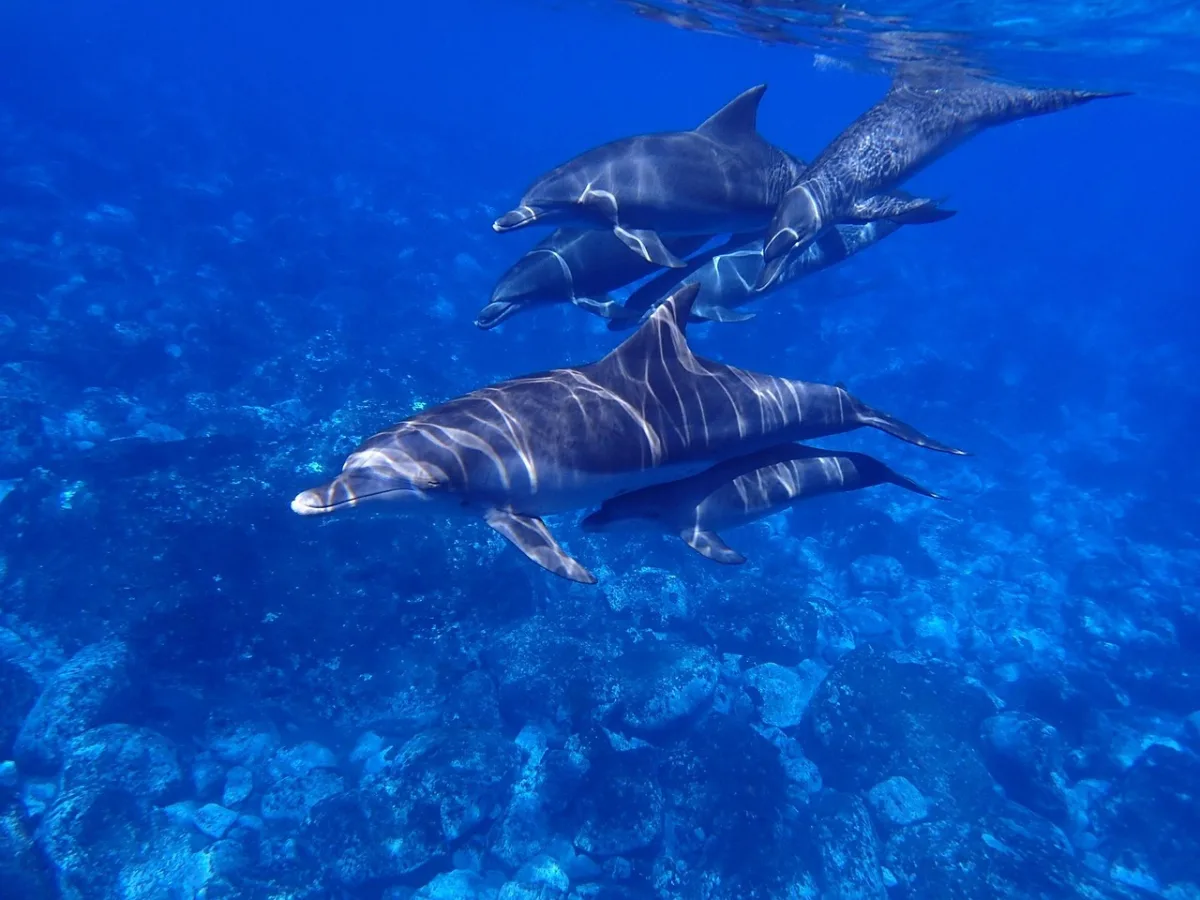
The use of marine life in warfare is not a new concept. In the past, countries have used animals such as dogs, birds, and even insects to gather information or carry out attacks. However, the idea of using dolphins as a weapon is a more recent development. Dolphins are highly intelligent creatures that can be trained to perform complex tasks, making them a potentially valuable asset in warfare. However, it's unclear whether Iran has actually developed a program to use dolphins as weapons.
The debate surrounding Iran's 'deadly dolphins' highlights the complexities of modern warfare. As countries develop new technologies and tactics, it's becoming increasingly difficult to distinguish between fact and fiction. The spread of misinformation can have serious consequences, and it's essential to verify information before making any conclusions. Lennie's comments serve as a reminder of the importance of critical thinking and the need to approach sensitive topics with caution.
Key Facts
- Pentagon officials are discussing Iran's alleged use of marine life in warfare
- Soraya Lennie has disputed false claims about Iran's 'deadly dolphins'
- The use of marine life in warfare is not a new concept
- Countries have used animals such as dogs, birds, and insects to gather information or carry out attacks
- Dolphins are highly intelligent creatures that can be trained to perform complex tasks
- It's unclear whether Iran has actually developed a program to use dolphins as weapons
Background on Iran's Military
Iran has a long history of developing unconventional tactics and technologies. The country has been known to use proxy forces and guerrilla warfare to achieve its objectives. Iran's military has also been investing in the development of new technologies, including drones and cyber warfare capabilities. The country's military strategy is focused on asymmetric warfare, which involves using unconventional tactics to counter the conventional military superiority of its enemies.
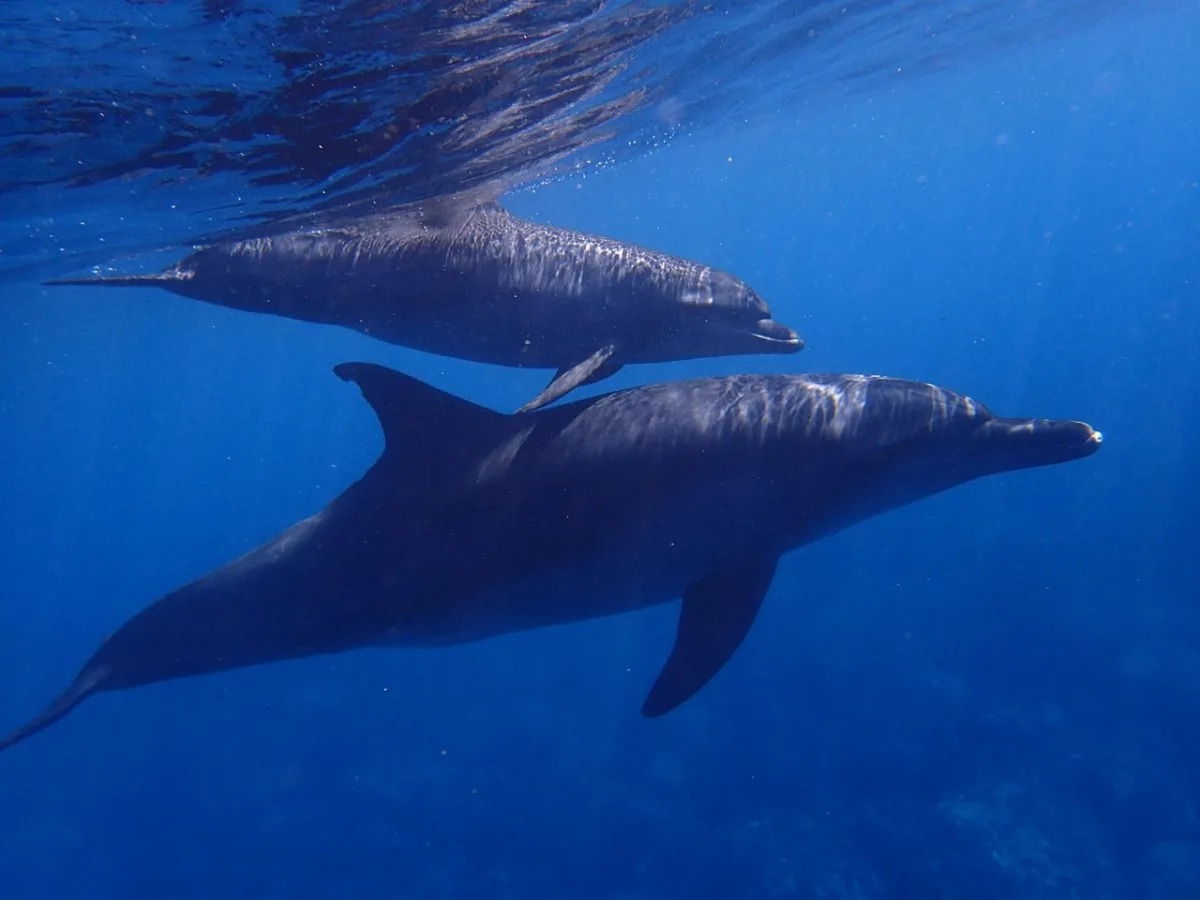
Iran's military has been modernizing in recent years, with a focus on developing new technologies and tactics. The country has been investing in the development of drones, which have been used in various military operations. Iran has also been developing its cyber warfare capabilities, which have been used to attack enemy computer systems and disrupt their operations. The country's military strategy is focused on using unconventional tactics to achieve its objectives, and the use of marine life in warfare could be seen as a potential extension of this strategy.
The development of Iran's military has been driven by the country's geopolitical situation. Iran is located in a region with several potential enemies, including the United States and Israel. The country has been subject to various sanctions and embargoes, which have limited its ability to develop its military using conventional means. As a result, Iran has been forced to rely on unconventional tactics and technologies to achieve its objectives.
The Role of Dolphins in Warfare
Dolphins are highly intelligent creatures that can be trained to perform complex tasks. They have been used in various military operations, including mine detection and clearance. Dolphins have also been used to gather intelligence and conduct surveillance. The use of dolphins in warfare is not new, and several countries have developed programs to use dolphins for military purposes.
The use of dolphins in warfare has several advantages. Dolphins are highly maneuverable and can operate in tight spaces, making them ideal for use in coastal or riverine environments. They are also highly intelligent and can be trained to perform complex tasks, making them a valuable asset in military operations. However, the use of dolphins in warfare also raises several ethical concerns. Dolphins are highly social creatures that are capable of complex communication, and their use in warfare could be seen as a form of exploitation.
The development of dolphin-based warfare systems is a complex and challenging task. It requires significant investment in training and equipment, as well as a deep understanding of dolphin behavior and psychology. Several countries have developed programs to use dolphins for military purposes, but the use of dolphins in warfare is still a relatively rare phenomenon.
Expert Analysis
The use of marine life in warfare is a complex and challenging topic. It requires a deep understanding of the capabilities and limitations of marine animals, as well as the ethical implications of using them in warfare. Soraya Lennie's comments on the topic highlight the importance of approaching this issue with caution and skepticism.
Experts have been weighing in on the topic, with some arguing that the use of marine life in warfare is a viable option. However, others have expressed concerns about the ethics and practicality of using animals in this way. The debate highlights the complexities of modern warfare and the need for careful consideration and analysis.
The use of marine life in warfare is not a new concept, but it is a topic that is gaining increasing attention. As countries develop new technologies and tactics, it's essential to consider the potential implications and consequences of using marine life in warfare. Experts will continue to weigh in on the topic, providing valuable insights and analysis.
History of Animal Warfare
The use of animals in warfare is not a new concept. Throughout history, countries have used animals such as horses, dogs, and birds to gather information, carry out attacks, and conduct surveillance. The use of animals in warfare has been a common practice, with many countries developing programs to use animals for military purposes.
The use of animals in warfare has several advantages. Animals can be trained to perform complex tasks, making them a valuable asset in military operations. They can also be used to gather information and conduct surveillance, providing valuable intelligence to military commanders. However, the use of animals in warfare also raises several ethical concerns. Animals are living creatures that are capable of feeling pain and suffering, and their use in warfare could be seen as a form of exploitation.
The development of animal-based warfare systems is a complex and challenging task. It requires significant investment in training and equipment, as well as a deep understanding of animal behavior and psychology. Several countries have developed programs to use animals for military purposes, but the use of animals in warfare is still a relatively rare phenomenon.
Future Implications
The debate surrounding Iran's 'deadly dolphins' highlights the complexities of modern warfare. As countries develop new technologies and tactics, it's becoming increasingly difficult to distinguish between fact and fiction. The spread of misinformation can have serious consequences, and it's essential to verify information before making any conclusions.
The use of marine life in warfare is a topic that is gaining increasing attention. As countries develop new technologies and tactics, it's essential to consider the potential implications and consequences of using marine life in warfare. The debate surrounding Iran's 'deadly dolphins' serves as a reminder of the importance of critical thinking and the need to approach sensitive topics with caution.
The future implications of using marine life in warfare are unclear. However, it's essential to consider the potential consequences and to approach this topic with caution and skepticism. The use of marine life in warfare raises several ethical concerns, and it's essential to consider the potential impact on the environment and on the animals themselves. As the debate continues, it's essential to prioritize critical thinking and to approach this topic with a nuanced and informed perspective.
Conclusion
The debate surrounding Iran's 'deadly dolphins' highlights the complexities of modern warfare. As countries develop new technologies and tactics, it's becoming increasingly difficult to distinguish between fact and fiction. The spread of misinformation can have serious consequences, and it's essential to verify information before making any conclusions. The use of marine life in warfare is a topic that is gaining increasing attention, and it's essential to consider the potential implications and consequences of using marine life in warfare. As the debate continues, it's essential to prioritize critical thinking and to approach this topic with a nuanced and informed perspective.