

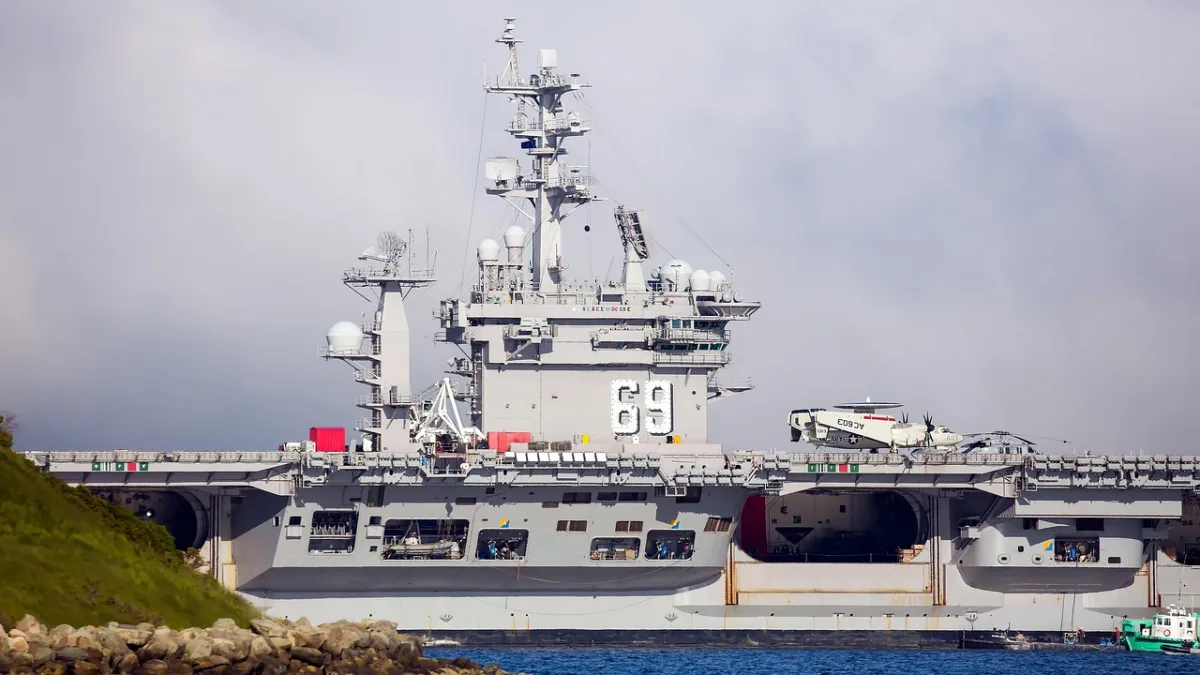
The Strait of Hormuz, a narrow waterway connecting the Persian Gulf to the Gulf of Oman, is one of the most critical shipping lanes in the world. It's where a significant portion of the world's oil passes through, making it a highly contested and sensitive region. The US has long been involved in maintaining the security of this area, given its strategic importance. Donald Trump's announcement to launch a military operation to secure ships passing through the Strait of Hormuz was seen as a significant escalation of US involvement. However, in a surprising turn of events, Trump paused the operation just 50 hours later.
The reasons behind Trump's decision to pause the operation aren't entirely clear. What is known is that the initial plan was met with a mixture of concern and skepticism by international partners and critics alike. The operation, aimed at securing ships from potential Iranian threats, was seen as a response to recent incidents in the region, including the seizure of a British-flagged tanker by Iran. Trump's administration has been vocal about its intention to apply maximum pressure on Iran, but the abrupt pause suggests there may be more to the story than initially meets the eye.
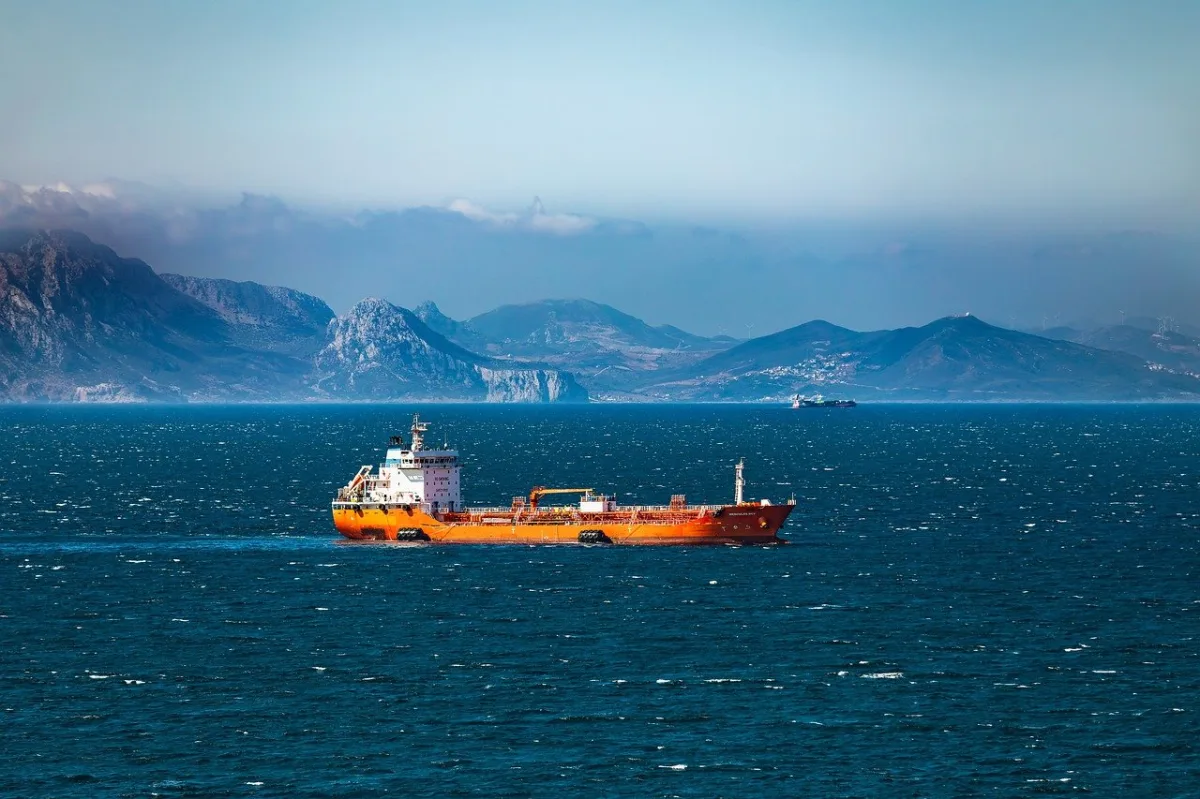
The pause in the military operation has significant implications for global oil markets and international relations. The Strait of Hormuz is not just a critical passage for oil; it's also a symbol of the complex geopolitical dynamics at play in the Middle East. The involvement of the US, coupled with the recent tensions between the US and Iran, paints a picture of a highly volatile region. Trump's decision, therefore, doesn't exist in a vacuum; it's part of a larger narrative of conflict, diplomacy, and economic interests.
The decision to pause the operation also reflects the internal dynamics within the Trump administration. It's been reported that there have been disagreements among Trump's advisors on how to handle the situation with Iran. Some have advocated for a more aggressive approach, while others have pushed for diplomacy. Trump's pause may indicate a temporary victory for those advocating for a more cautious approach. However, given the unpredictable nature of Trump's decision-making process, it's difficult to say what the future holds for US involvement in the region.
Key Facts
- The US president, Donald Trump, announced a military operation to secure ships passing through the Strait of Hormuz.
- The operation was paused 50 hours after its announcement.
- The Strait of Hormuz is a critical waterway for global oil supplies.
- Recent incidents in the region include the seizure of a British-flagged tanker by Iran.
- The US has been applying maximum pressure on Iran through economic sanctions and diplomatic efforts.
- There have been reports of disagreements among Trump's advisors on how to handle the situation with Iran.
The Strategic Importance of the Strait of Hormuz
The Strait of Hormuz is not just any shipping lane; it's a chokepoint for a significant portion of the world's oil. Approximately 20% of the world's oil passes through this narrow waterway, making it a critical component of the global energy supply chain. The strategic importance of the Strait of Hormuz cannot be overstated; any disruption to shipping in this area could have significant economic and political implications. The US, along with other global powers, has a vested interest in maintaining the security of this region.
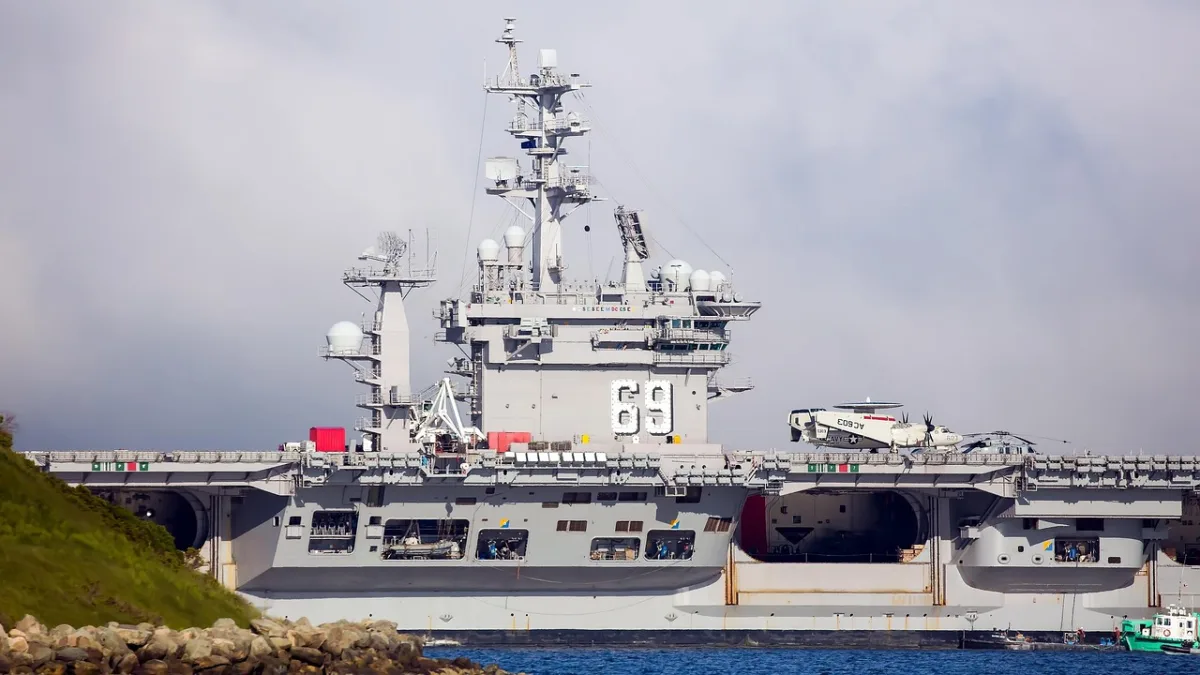
The security of the Strait of Hormuz is complex, involving not just the US but also other regional and global actors. Iran, which borders the Strait, has significant influence over the waterway and has threatened to disrupt shipping in response to economic sanctions and military pressure from the US. The situation is further complicated by the presence of other naval forces in the region, including those from the UK, China, and India, among others. The pause in the US military operation may indicate a recognition of the complexities of the situation and the need for a more nuanced approach.
The US has a long history of involvement in the security of the Strait of Hormuz, dating back to the Cold War era. The US Navy has maintained a significant presence in the region, aimed at deterring any potential threats to shipping. However, the current situation is unique, given the heightened tensions between the US and Iran. The use of military force to secure the Strait is a high-risk strategy, with potential consequences including escalation into a broader conflict.
The Role of Iran
Iran's role in the Strait of Hormuz is pivotal. As a bordering country, Iran has significant capabilities to disrupt shipping in the area. Recent incidents, including the seizure of tankers, have highlighted Iran's willingness to use its naval capabilities to exert pressure on the international community. Iran's actions are largely seen as a response to the economic sanctions imposed by the US, which have had a devastating impact on the Iranian economy.
Iran's strategy in the Strait of Hormuz is part of a broader effort to resist what it sees as US aggression. The Iranian government has been vocal about its intention to defend its interests and sovereignty, even in the face of significant international pressure. The pause in the US military operation may provide an opportunity for diplomacy, but it's unclear whether Iran will be willing to engage in talks, given the current state of relations.
The international community has been watching the situation in the Strait of Hormuz with great concern. The potential for conflict is high, and any disruption to oil supplies could have significant economic implications. The role of Iran in this scenario is critical, and its actions will be closely monitored in the coming days and weeks.
The Impact on Global Oil Markets
The Strait of Hormuz's importance to global oil supplies means that any disruption to shipping in the area could have significant economic implications. The price of oil is highly sensitive to geopolitical events, and the current situation is no exception. The pause in the US military operation may have prevented a potential spike in oil prices, but the underlying tensions in the region remain.
The global economy is heavily reliant on the stable supply of oil, and any disruption could have far-reaching consequences. The Strait of Hormuz is a critical component of this supply chain, and any threat to its security is taken very seriously by oil-producing and consuming nations alike. The situation highlights the interconnectedness of the global economy and the potential for geopolitical events to have significant economic impacts.
The oil market is also influenced by speculation and perception. The mere threat of disruption to the Strait of Hormuz can lead to increases in oil prices, even if no actual disruption occurs. This makes the situation highly volatile, with market participants closely watching every development. The pause in the US military operation may have eased some concerns, but the situation remains precarious.
The Diplomatic Efforts
Despite the tensions, there have been efforts to find a diplomatic solution to the crisis. The European Union, in particular, has been working to salvage the Iran nuclear deal, which was abandoned by the US. The deal, known as the Joint Comprehensive Plan of Action (JCPOA), was aimed at limiting Iran's nuclear capabilities in exchange for relief from economic sanctions.
The situation in the Strait of Hormuz is a reminder that diplomacy is often the best way to resolve complex geopolitical issues. As one diplomat noted, "The use of military force should always be a last resort, and we should exhaust all diplomatic avenues before considering such action."
Diplomatic efforts are challenging, given the current state of relations between the US and Iran. However, there are indications that both sides may be willing to engage in talks, potentially through intermediaries. The pause in the US military operation may provide a window of opportunity for diplomacy, but it's unclear how long this window will remain open.
The international community has a significant role to play in resolving the crisis. Countries like Japan and South Korea, which are heavily reliant on oil imports from the region, have a vested interest in seeing a peaceful resolution to the situation. The United Nations and other international organizations may also play a role in facilitating dialogue and finding a solution to the crisis.
The Way Forward
The situation in the Strait of Hormuz is highly fluid, with developments unfolding rapidly. The pause in the US military operation is a significant turn of events, but it's unclear what the future holds. One thing is certain: the security of the Strait of Hormuz is critical to global oil supplies and the stability of the global economy.
The way forward will likely involve a combination of diplomacy and military deterrence. The US and its allies will need to balance the need to secure the Strait of Hormuz with the risk of escalating the situation into a broader conflict. Iran, meanwhile, will need to consider the consequences of its actions and the potential benefits of engaging in diplomatic efforts.
The situation highlights the complexity of geopolitical issues in the modern era. The Strait of Hormuz is just one of many flashpoints around the world, and the international community will need to navigate these challenges carefully to avoid conflict and promote stability. The pause in the US military operation is a step in the right direction, but it's just the beginning of a long and challenging process.
Conclusion
The pause in the US military operation in the Strait of Hormuz is a significant development, but it's part of a larger and more complex story. The situation in the region is highly volatile, with significant implications for global oil supplies and the stability of the global economy. The way forward will require careful diplomacy and a nuanced approach to the challenges at hand. The international community will be watching closely as events unfold, hoping for a peaceful resolution to the crisis.