

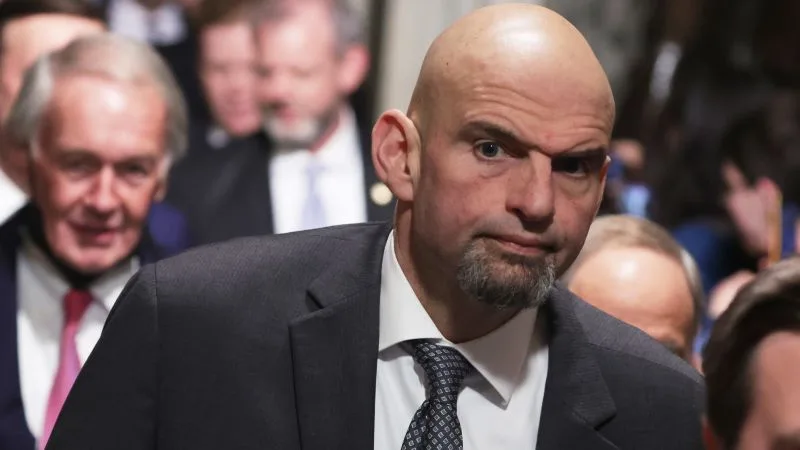
Senator John Fetterman's recent interview with CBS has shed light on his struggles with depression after winning a tight election. Fetterman, a Democrat from Pennsylvania, spoke candidly about his experiences, emphasizing the need for greater awareness and understanding of mental health issues. His openness is a significant step forward in promoting mental health discussions, especially among public figures. By sharing his story, Fetterman hopes to reduce the stigma surrounding mental health and encourage others to speak out about their struggles. This move is particularly important, given the high-pressure nature of politics and the potential impact on mental health.
The senator's decision to speak out about his depression is a testament to his commitment to mental health awareness. Fetterman's experience is not unique; many people struggle with depression and other mental health issues, often in silence. By sharing his story, Fetterman aims to create a safe space for others to discuss their struggles and seek help. His interview with CBS is a significant step forward in this effort, highlighting the importance of prioritizing mental health and seeking support when needed. Fetterman's openness also underscores the need for greater resources and support for mental health initiatives, particularly in the political sphere.

Fetterman's struggles with depression began after his election win, which was a tightly contested and high-pressure campaign. The senator has spoken about the emotional toll of the campaign, including the stress and anxiety that came with it. Despite his victory, Fetterman found himself struggling to cope with the aftermath, leading to a diagnosis of depression. His experience highlights the importance of prioritizing mental health, even in the face of success or achievement. By speaking out about his struggles, Fetterman hopes to encourage others to do the same, creating a more supportive and understanding environment for mental health discussions.
The senator's interview with CBS has sparked a wider conversation about mental health and the need for greater awareness and support. Fetterman's openness has been praised by many, who see his willingness to speak out as a brave and necessary step forward. The conversation around mental health is complex and multifaceted, involving issues of stigma, resources, and support. Fetterman's contribution to this conversation is significant, highlighting the need for greater understanding and empathy. His story serves as a reminder that mental health issues can affect anyone, regardless of their background or circumstances.
Key Facts
- Senator John Fetterman spoke to CBS about his struggles with depression after winning a tight election.
- Fetterman's experience with depression began after his election win, which was a high-pressure campaign.
- The senator has spoken about the emotional toll of the campaign, including stress and anxiety.
- Fetterman's openness about his depression aims to reduce stigma around mental health issues.
- The senator's interview with CBS has sparked a wider conversation about mental health and the need for greater awareness and support.
The Importance of Mental Health Awareness
Mental health awareness is crucial, particularly in the political sphere, where high pressure and stress can take a significant toll on individuals. Fetterman's experience highlights the need for greater resources and support for mental health initiatives, particularly in the political sphere. By speaking out about his struggles, Fetterman hopes to create a safe space for others to discuss their mental health and seek help. This move is particularly important, given the potential impact of mental health issues on individuals and society as a whole.

The conversation around mental health is complex and multifaceted, involving issues of stigma, resources, and support. Fetterman's contribution to this conversation is significant, highlighting the need for greater understanding and empathy. His story serves as a reminder that mental health issues can affect anyone, regardless of their background or circumstances. By sharing his experience, Fetterman aims to reduce the stigma surrounding mental health and encourage others to speak out about their struggles.
Mental health awareness is not just a personal issue; it also has significant implications for society as a whole. When individuals struggle with mental health issues, it can impact their relationships, work, and overall well-being. By prioritizing mental health and creating a supportive environment, we can promote greater understanding and empathy. This, in turn, can lead to a more positive and productive society, where individuals feel empowered to speak out about their struggles and seek help when needed.
The Impact of Politics on Mental Health
The high-pressure nature of politics can take a significant toll on individuals, particularly those in public office. The constant scrutiny, stress, and anxiety can contribute to mental health issues, including depression and anxiety. Fetterman's experience is not unique; many politicians have spoken out about their struggles with mental health, highlighting the need for greater support and resources.
The impact of politics on mental health is a complex issue, involving factors such as stress, pressure, and scrutiny. Politicians often face high expectations and intense media scrutiny, which can contribute to feelings of anxiety and depression. By speaking out about his struggles, Fetterman hopes to create a more supportive environment for politicians to discuss their mental health and seek help when needed.
The conversation around mental health in politics is gaining momentum, with many politicians speaking out about their experiences. This move is significant, as it highlights the need for greater understanding and empathy in the political sphere. By prioritizing mental health, politicians can promote a more positive and productive work environment, leading to better outcomes for themselves and society as a whole.
The Role of Media in Mental Health Discussions
The media plays a significant role in shaping the conversation around mental health, particularly in the political sphere. By sharing stories like Fetterman's, the media can help reduce stigma and promote greater understanding and empathy. The way mental health issues are reported can also impact the conversation, with sensitive and respectful coverage helping to create a more supportive environment.
The media's role in mental health discussions is complex, involving issues of sensitivity, respect, and accuracy. By sharing stories like Fetterman's, the media can help promote greater awareness and understanding of mental health issues. This, in turn, can lead to a more supportive environment, where individuals feel empowered to speak out about their struggles and seek help when needed.
The conversation around mental health in the media is evolving, with many outlets prioritizing sensitive and respectful coverage. This move is significant, as it highlights the importance of responsible reporting and the potential impact on the conversation around mental health. By sharing stories like Fetterman's, the media can help promote greater awareness and understanding, leading to a more positive and supportive environment for mental health discussions.
The Need for Greater Resources and Support
The need for greater resources and support for mental health initiatives is a pressing issue, particularly in the political sphere. Fetterman's experience highlights the importance of prioritizing mental health and creating a supportive environment, where individuals feel empowered to speak out about their struggles and seek help when needed. By investing in mental health resources and support, we can promote greater understanding and empathy, leading to a more positive and productive society.
The conversation around mental health resources and support is complex, involving issues of funding, accessibility, and awareness. Fetterman's contribution to this conversation is significant, highlighting the need for greater investment in mental health initiatives. By sharing his story, Fetterman hopes to create a more supportive environment, where individuals feel empowered to speak out about their struggles and seek help when needed.
As Fetterman noted in his interview with CBS, "The most important thing is to create a space where people feel comfortable talking about their mental health, and where they can get the help they need." This statement underscores the importance of prioritizing mental health and creating a supportive environment, where individuals feel empowered to speak out about their struggles and seek help when needed.
The Future of Mental Health Discussions
The future of mental health discussions is evolving, with many individuals and organizations prioritizing awareness and support. Fetterman's openness about his depression is a significant step forward in this effort, highlighting the need for greater understanding and empathy. By sharing his story, Fetterman hopes to create a more supportive environment, where individuals feel empowered to speak out about their struggles and seek help when needed.
The conversation around mental health is complex and multifaceted, involving issues of stigma, resources, and support. Fetterman's contribution to this conversation is significant, highlighting the need for greater awareness and understanding. His story serves as a reminder that mental health issues can affect anyone, regardless of their background or circumstances. By prioritizing mental health and creating a supportive environment, we can promote greater understanding and empathy, leading to a more positive and productive society.
The impact of Fetterman's openness about his depression will be felt for a long time, as it highlights the importance of prioritizing mental health and creating a supportive environment. By sharing his story, Fetterman hopes to encourage others to speak out about their struggles and seek help when needed. This move is significant, as it underscores the need for greater awareness and understanding of mental health issues, and the importance of creating a supportive environment for individuals to discuss their struggles and seek help.
Conclusion
Senator John Fetterman's openness about his depression is a significant step forward in promoting mental health awareness and reducing stigma around mental health issues. His story serves as a reminder that mental health issues can affect anyone, regardless of their background or circumstances. By prioritizing mental health and creating a supportive environment, we can promote greater understanding and empathy, leading to a more positive and productive society. Fetterman's contribution to the conversation around mental health is significant, and his story will undoubtedly inspire others to speak out about their struggles and seek help when needed.
The conversation around mental health is evolving, with many individuals and organizations prioritizing awareness and support. Fetterman's openness about his depression is a testament to the importance of creating a supportive environment, where individuals feel empowered to speak out about their struggles and seek help when needed. By sharing his story, Fetterman hopes to create a more supportive environment, where individuals feel empowered to speak out about their struggles and seek help when needed.
The impact of Fetterman's openness about his depression will be felt for a long time, as it highlights the importance of prioritizing mental health and creating a supportive environment. By prioritizing mental health and creating a supportive environment, we can promote greater understanding and empathy, leading to a more positive and productive society. Fetterman's story serves as a reminder that mental health issues can affect anyone, and that seeking help is a sign of strength, not weakness.