

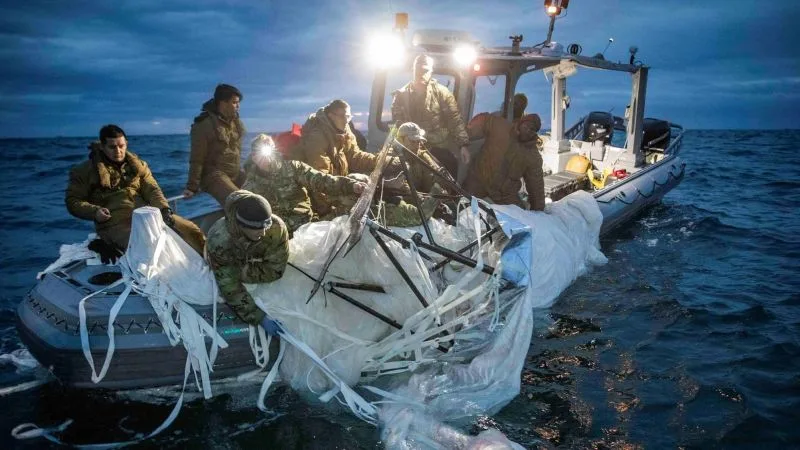
The suspected Chinese spy balloon that transited the US earlier this year was a significant event that has raised concerns about national security. The balloon was able to capture imagery and collect some signals intelligence from US military sites, a source familiar with the matter tells CNN. This has sparked a heated debate about the ability of foreign powers to gather sensitive information and the measures that need to be taken to prevent such incidents in the future. The US government is still investigating the incident and its implications, and it's likely that we'll see some changes in the way the country approaches national security. The fact that the balloon was able to transmit data back to Beijing is particularly concerning, as it suggests that the Chinese government was able to gather valuable information.
The incident has also raised questions about the relationship between the US and China, and how the two countries will interact in the future. The US has long been wary of China's growing military power and its increasing assertiveness in the region, and this incident is likely to add to those concerns. The Chinese government has denied any wrongdoing, but the US is unlikely to accept that explanation at face value. The incident is also likely to have implications for the US's relationships with its allies, as they will be watching to see how the US responds to this challenge. The US will need to balance its desire to protect its national security with its need to maintain good relations with China, which is a major trading partner.
The use of spy balloons is not a new phenomenon, but the fact that this one was able to transmit data back to Beijing is a significant development. The US has long been concerned about the use of drones and other unmanned aerial vehicles (UAVs) for surveillance, and this incident suggests that those concerns are well-founded. The US military has been working to develop its own UAV capabilities, but it's clear that it still has a lot to learn about how to counter this type of threat. The incident is also a reminder that the US is not the only country with advanced military capabilities, and that other countries are also developing their own technologies.
The incident has also sparked a debate about the role of the US military in protecting the country's national security. Some have argued that the military needs to be more proactive in defending against threats like this, while others have argued that the US needs to be more careful about how it responds to incidents like this. The US government will need to strike a balance between protecting its national security and avoiding unnecessary escalation. The incident is a reminder that the US is not alone in the world, and that it needs to be careful about how it interacts with other countries. The US will need to work with its allies to develop a coordinated response to this type of threat, and to ensure that it is prepared to defend itself against any future incidents.
Key Facts
- The suspected Chinese spy balloon was able to capture imagery and collect some signals intelligence from US military sites.
- The balloon was able to transmit data back to Beijing.
- The incident has raised concerns about national security and the ability of foreign powers to gather sensitive information.
- The US government is still investigating the incident and its implications.
- The Chinese government has denied any wrongdoing.
- The incident has sparked a debate about the relationship between the US and China.
- The US has long been wary of China's growing military power and its increasing assertiveness in the region.
- The incident is likely to have implications for the US's relationships with its allies.
Background on Spy Balloons
The use of spy balloons is not a new phenomenon, but it's a tactic that has been used by countries for decades. Spy balloons are basically high-altitude balloons that are equipped with surveillance equipment, such as cameras and sensors. They can be used to gather information about a country's military capabilities, as well as its civilian infrastructure. The use of spy balloons is often seen as a way for countries to gather information without being detected, as they can be launched from a distance and can fly over a country's airspace without being noticed. However, the use of spy balloons is not without risks, as they can be shot down or disabled by a country's air defenses.
The US has long been concerned about the use of spy balloons, and has developed a number of systems to detect and counter them. The US military has developed a number of technologies to detect and track spy balloons, including radar systems and UAVs. The US has also developed a number of systems to disable or destroy spy balloons, including missiles and other air defense systems. However, the fact that the Chinese spy balloon was able to transmit data back to Beijing suggests that the US still has a lot to learn about how to counter this type of threat.
The use of spy balloons is also a reminder that the US is not the only country with advanced military capabilities. China has been rapidly modernizing its military in recent years, and has developed a number of advanced technologies, including UAVs and cyber warfare capabilities. The US will need to be careful about how it responds to incidents like this, as it will need to balance its desire to protect its national security with its need to avoid unnecessary escalation. The US will also need to work with its allies to develop a coordinated response to this type of threat, and to ensure that it is prepared to defend itself against any future incidents.
The US Response
The US government has been quick to respond to the incident, with a number of officials condemning the Chinese government's actions. The US Secretary of State has said that the incident is a "serious violation" of US sovereignty, and has called on the Chinese government to explain its actions. The US Secretary of Defense has also said that the incident is a "significant concern" for the US military, and has promised to take steps to prevent similar incidents in the future. The US has also been working with its allies to develop a coordinated response to the incident, and to ensure that it is prepared to defend itself against any future incidents.
The US response to the incident has been widely praised, with many experts saying that it's a good example of how the US should respond to incidents like this. The US has been careful to avoid escalating the situation, while also making it clear that it will not tolerate this type of behavior. The US has also been working to develop a number of new technologies to counter the threat posed by spy balloons, including advanced radar systems and UAVs. The US will need to continue to be vigilant in the face of this type of threat, and to work with its allies to develop a coordinated response.
The US will also need to work with China to develop a better understanding of each other's military capabilities and intentions. The US and China have a complex and often fraught relationship, and incidents like this can easily escalate into larger conflicts. The US will need to be careful about how it responds to incidents like this, as it will need to balance its desire to protect its national security with its need to avoid unnecessary escalation. The US will also need to work with its allies to develop a coordinated response to this type of threat, and to ensure that it is prepared to defend itself against any future incidents.
The Chinese Perspective
The Chinese government has denied any wrongdoing in the incident, and has said that the balloon was a "civilian airship" that was used for "scientific research". However, the US is unlikely to accept this explanation at face value, and it's likely that the incident will have significant implications for the US-China relationship. The Chinese government has been increasingly assertive in recent years, and has been pushing to expand its military capabilities and its influence in the region. The US has been wary of China's growing power, and has been working to develop a number of strategies to counter its influence.
The Chinese government has also been working to develop a number of new technologies to support its military capabilities, including advanced UAVs and cyber warfare capabilities. The US will need to be careful about how it responds to incidents like this, as it will need to balance its desire to protect its national security with its need to avoid unnecessary escalation. The US will also need to work with its allies to develop a coordinated response to this type of threat, and to ensure that it is prepared to defend itself against any future incidents.
The Chinese government's actions are a "serious concern" for the US, and the US will need to take steps to protect its national security. The US will need to work with its allies to develop a coordinated response to this type of threat, and to ensure that it is prepared to defend itself against any future incidents.
The Broader Implications
The incident has significant implications for the US and its allies, and will likely have a major impact on the global security landscape. The use of spy balloons is a tactic that can be used by any country, and it's likely that we'll see more incidents like this in the future. The US will need to be vigilant in the face of this type of threat, and will need to work with its allies to develop a coordinated response. The US will also need to develop a number of new technologies to counter the threat posed by spy balloons, including advanced radar systems and UAVs.
The incident is also a reminder that the US is not alone in the world, and that it needs to be careful about how it interacts with other countries. The US has a complex and often fraught relationship with China, and incidents like this can easily escalate into larger conflicts. The US will need to be careful about how it responds to incidents like this, as it will need to balance its desire to protect its national security with its need to avoid unnecessary escalation. The US will also need to work with its allies to develop a coordinated response to this type of threat, and to ensure that it is prepared to defend itself against any future incidents.
The US will also need to consider the broader implications of the incident, including the potential impact on the global economy and the potential for future conflicts. The use of spy balloons is a tactic that can be used by any country, and it's likely that we'll see more incidents like this in the future. The US will need to be prepared to respond to these incidents, and will need to work with its allies to develop a coordinated response. The US will also need to develop a number of new technologies to counter the threat posed by spy balloons, including advanced radar systems and UAVs.
The Future of National Security
The incident is a reminder that the US needs to be vigilant in the face of emerging threats, and that it needs to be prepared to defend itself against any future incidents. The US will need to develop a number of new technologies to counter the threat posed by spy balloons, including advanced radar systems and UAVs. The US will also need to work with its allies to develop a coordinated response to this type of threat, and to ensure that it is prepared to defend itself against any future incidents.
The US will also need to consider the broader implications of the incident, including the potential impact on the global economy and the potential for future conflicts. The use of spy balloons is a tactic that can be used by any country, and it's likely that we'll see more incidents like this in the future. The US will need to be prepared to respond to these incidents, and will need to work with its allies to develop a coordinated response. The US will also need to develop a number of new technologies to counter the threat posed by spy balloons, including advanced radar systems and UAVs.
The US will need to be careful about how it responds to incidents like this, as it will need to balance its desire to protect its national security with its need to avoid unnecessary escalation. The US will also need to work with its allies to develop a coordinated response to this type of threat, and to ensure that it is prepared to defend itself against any future incidents. The US will need to be vigilant in the face of emerging threats, and will need to be prepared to defend itself against any future incidents. The incident is a reminder that the US is not alone in the world, and that it needs to be careful about how it interacts with other countries.
Conclusion
The suspected Chinese spy balloon that transited the US earlier this year is a significant event that has raised concerns about national security. The balloon was able to capture imagery and collect some signals intelligence from US military sites, and was able to transmit data back to Beijing. The incident has sparked a heated debate about the relationship between the US and China, and has raised questions about the ability of foreign powers to gather sensitive information. The US government is still investigating the incident and its implications, and it's likely that we'll see some changes in the way the country approaches national security.
The incident is a reminder that the US needs to be vigilant in the face of emerging threats, and that it needs to be prepared to defend itself against any future incidents. The US will need to develop a number of new technologies to counter the threat posed by spy balloons, including advanced radar systems and UAVs. The US will also need to work with its allies to develop a coordinated response to this type of threat, and to ensure that it is prepared to defend itself against any future incidents.
The US will need to be careful about how it responds to incidents like this, as it will need to balance its desire to protect its national security with its need to avoid unnecessary escalation. The US will also need to work with its allies to develop a coordinated response to this type of threat, and to ensure that it is prepared to defend itself against any future incidents. The incident is a reminder that the US is not alone in the world, and that it needs to be careful about how it interacts with other countries. The US will need to be vigilant in the face of emerging threats, and will need to be prepared to defend itself against any future incidents.