

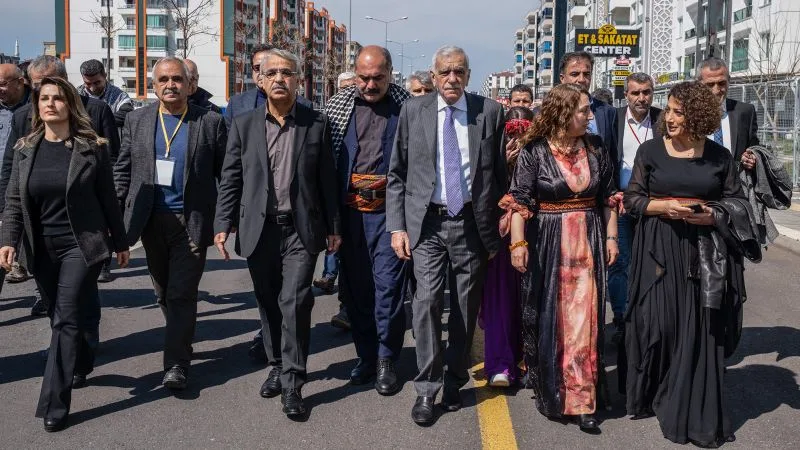
Turkey's upcoming election is shaping up to be one of the most pivotal moments in the country's recent history. The pro-Kurdish party, which has been persecuted by the government, has emerged as a kingmaker, playing a decisive role that may just tip the balance enough to unseat two-decade ruler Recep Tayyip Erdogan. This is a remarkable turn of events, considering the party's history of being marginalized and oppressed. The party's influence could be the difference between Erdogan winning or losing the election. Erdogan has been in power for two decades, and his rule has been marked by controversy and authoritarianism.
The pro-Kurdish party's rise to prominence is a testament to the growing discontent among Turkey's Kurdish population. The Kurds have long been persecuted by the Turkish government, and their rights have been consistently denied. However, the party's message of equality and justice has resonated with many Turks, who are tired of Erdogan's authoritarian rule. The party's leader has been a vocal critic of Erdogan, and has called for greater democracy and human rights in Turkey. The party's popularity has been growing steadily, and it is now seen as a major force in Turkish politics.

The election is scheduled to take place in the coming months, and the stakes are high. Erdogan is facing a tough challenge from the opposition, and the pro-Kurdish party's support could be crucial in determining the outcome. The party has not yet announced which candidate it will support, but its decision could tip the balance in favor of the opposition. Erdogan's rule has been marked by controversy, and many Turks are eager for change. The election is seen as a chance for Turkey to move away from authoritarianism and towards greater democracy.
The international community is watching the election closely, as it has significant implications for the region. Turkey is a key player in the Middle East, and its relations with other countries are crucial for regional stability. The election could also have an impact on Turkey's relations with the European Union, which has been critical of Erdogan's human rights record. The EU has called for greater democracy and human rights in Turkey, and the election is seen as a test of the country's commitment to these values.
Key Facts
- The pro-Kurdish party has emerged as a kingmaker in Turkey's election
- The party's influence could tip the balance in the election
- Erdogan has ruled Turkey for two decades
- The party's leader has been a vocal critic of Erdogan
- The election is scheduled to take place in the coming months
- The stakes are high, with the opposition facing a tough challenge from Erdogan
- The international community is watching the election closely
- Turkey is a key player in the Middle East
- The election could have an impact on Turkey's relations with the European Union
The Kurdish Issue
The Kurdish issue is a complex and sensitive topic in Turkey. The Kurds have long been persecuted by the Turkish government, and their rights have been consistently denied. The Kurdish population is significant, making up around 20% of Turkey's population. However, they have been marginalized and oppressed, with many Kurds facing discrimination and violence. The pro-Kurdish party has been a vocal advocate for Kurdish rights, and its message of equality and justice has resonated with many Turks.

The Kurdish issue is not just a domestic problem, but also has regional implications. The Kurds have been fighting for independence in neighboring countries, including Iraq and Syria. The conflict has been ongoing for decades, and has resulted in significant human suffering. The international community has been critical of Turkey's handling of the Kurdish issue, and has called for greater human rights and democracy in the region. The pro-Kurdish party's rise to prominence is seen as a positive development, as it could help to address the Kurdish issue and promote greater stability in the region.
The Turkish government has been accused of human rights abuses against the Kurds, including torture, disappearances, and extrajudicial killings. The government has also been criticized for its handling of the Kurdish language and culture, which have been suppressed and marginalized. The pro-Kurdish party has called for greater recognition of Kurdish rights, including the right to speak and teach the Kurdish language. The party has also called for an end to the violence and discrimination against Kurds, and for greater democracy and human rights in Turkey.
Erdogan's Rule
Erdogan has been in power for two decades, and his rule has been marked by controversy and authoritarianism. He has been accused of suppressing opposition and restricting human rights, including freedom of speech and assembly. Erdogan has also been criticized for his handling of the economy, which has been marked by significant instability and inequality. The opposition has called for greater democracy and human rights in Turkey, and has accused Erdogan of undermining the country's democratic institutions.
Erdogan's rule has been marked by a significant consolidation of power, with the president holding significant executive authority. The opposition has been marginalized and oppressed, with many opposition leaders facing prosecution and imprisonment. The media has also been subject to significant censorship and repression, with many journalists facing arrest and prosecution. The international community has been critical of Erdogan's human rights record, and has called for greater democracy and human rights in Turkey.
The election is seen as a chance for Turkey to move away from authoritarianism and towards greater democracy. The opposition has called for a return to democratic values, including the rule of law, human rights, and freedom of speech. The pro-Kurdish party has also called for greater democracy and human rights, and has advocated for a more inclusive and equitable society. The election is a significant test of Turkey's democratic institutions, and the outcome will have significant implications for the country's future.
The Opposition
The opposition is a diverse and fragmented group, comprising a range of parties and ideologies. The main opposition party is the Republican People's Party (CHP), which has been a vocal critic of Erdogan's rule. The CHP has called for greater democracy and human rights in Turkey, and has advocated for a more inclusive and equitable society. The party has also been critical of Erdogan's handling of the economy, and has called for significant reforms to address the country's economic challenges.
The opposition has faced significant challenges in its campaign against Erdogan. The government has been accused of suppressing opposition and restricting human rights, including freedom of speech and assembly. The opposition has also faced significant censorship and repression, with many opposition leaders facing prosecution and imprisonment. Despite these challenges, the opposition remains committed to its campaign for greater democracy and human rights in Turkey.
The opposition is not just fighting for power, but for the future of Turkey. We want to create a more democratic and equitable society, where all citizens have equal rights and opportunities. We believe that this is the only way to address the significant challenges facing our country, and to promote greater stability and prosperity.
The International Community
The international community is watching the election closely, as it has significant implications for the region. Turkey is a key player in the Middle East, and its relations with other countries are crucial for regional stability. The election could also have an impact on Turkey's relations with the European Union, which has been critical of Erdogan's human rights record. The EU has called for greater democracy and human rights in Turkey, and the election is seen as a test of the country's commitment to these values.
The international community has been critical of Erdogan's rule, and has called for greater democracy and human rights in Turkey. The US, EU, and other countries have been vocal critics of Erdogan's authoritarianism, and have called for significant reforms to address the country's human rights challenges. The international community has also been critical of Turkey's handling of the Kurdish issue, and has called for greater recognition of Kurdish rights.
The election is a significant test of Turkey's democratic institutions, and the outcome will have significant implications for the country's future. The international community is eager to see a more democratic and equitable Turkey, where all citizens have equal rights and opportunities. The election is a chance for Turkey to move away from authoritarianism and towards greater democracy, and the international community is watching closely to see if this will happen.
The Future of Turkey
The future of Turkey is uncertain, and the outcome of the election will have significant implications for the country's future. If Erdogan wins, it is likely that his authoritarian rule will continue, and Turkey will remain a significant challenge for the international community. However, if the opposition wins, it could mark a significant turning point for Turkey, and the country could begin to move towards greater democracy and human rights.
The pro-Kurdish party's rise to prominence is a significant development, and could have a major impact on Turkey's future. The party's message of equality and justice has resonated with many Turks, and its influence could be crucial in determining the outcome of the election. The party's leader has been a vocal critic of Erdogan, and has called for greater democracy and human rights in Turkey.
The election is a chance for Turkey to move away from authoritarianism and towards greater democracy. The opposition has called for a return to democratic values, including the rule of law, human rights, and freedom of speech. The pro-Kurdish party has also called for greater democracy and human rights, and has advocated for a more inclusive and equitable society. The outcome of the election will have significant implications for Turkey's future, and the international community is watching closely to see what will happen.