

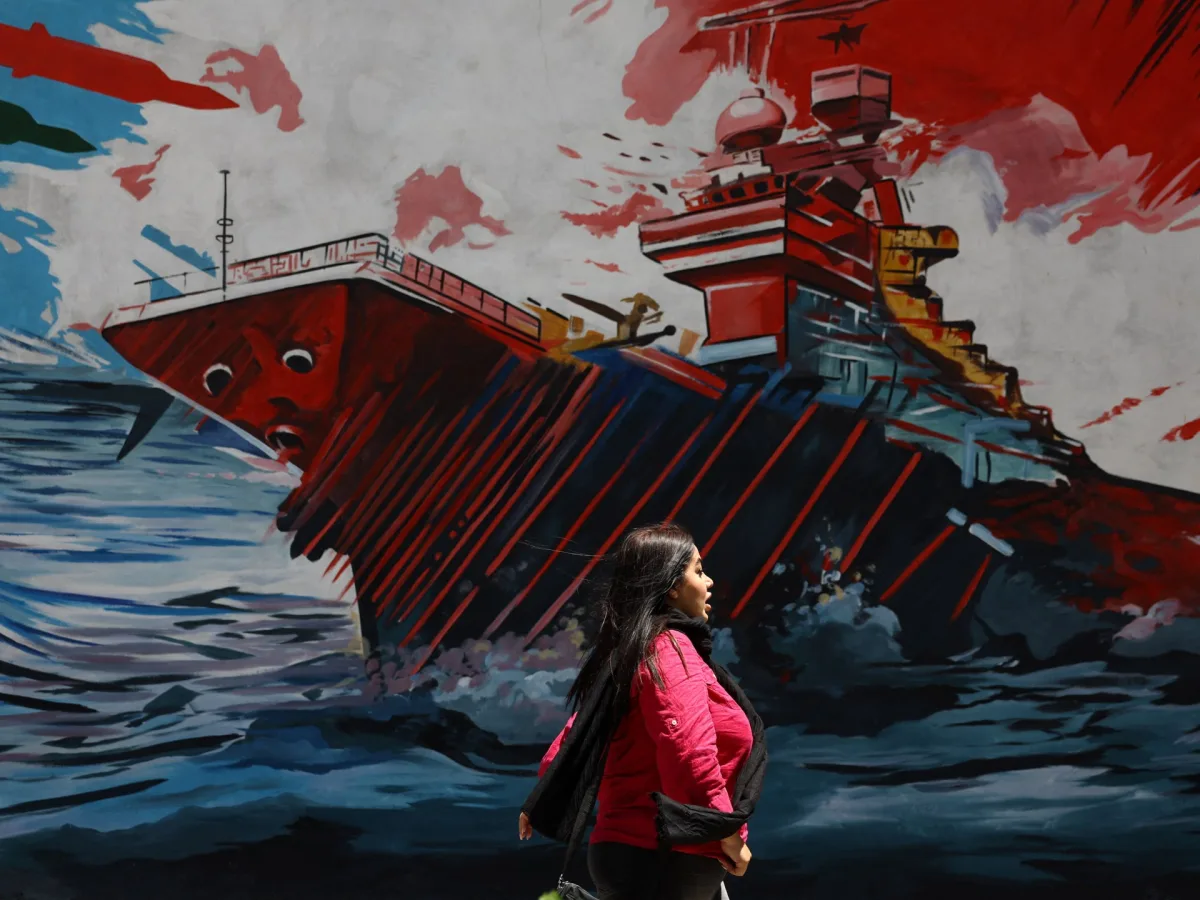
The situation in the Middle East is deteriorating rapidly, with Iran and the US engaged in a war of words over the ceasefire. Iran's accusations of US violations of the ceasefire have sparked a heated debate, with the US denying any wrongdoing. The ceasefire, which was agreed upon after weeks of intense negotiations, was meant to bring an end to the violence in the region. However, it seems that the agreement is on the verge of collapse, with both sides accusing each other of breaching the terms.
The US has been accused of targeting Iranian vessels and carrying out strikes on coastal areas, which Iran claims is a clear violation of the ceasefire. The US has denied these claims, saying that the ceasefire is still in effect and that they are committed to upholding the agreement. The situation is complex, with multiple factions and interests at play. The US has been trying to navigate the situation carefully, but it's clear that the ceasefire is under strain.
The region has been on high alert since the ceasefire was agreed upon, with both sides waiting to see if the other would make a move. The US has been trying to build a coalition of allies to support its efforts in the region, but it's been met with resistance from some countries. Iran, on the other hand, has been trying to rally support from its own allies, including Russia and China. The situation is delicate, and any misstep could lead to a wider conflict.
The consequences of a collapsed ceasefire would be catastrophic, with the potential for widespread violence and instability in the region. The US and Iran have a long and complicated history, with tensions between the two countries dating back decades. The current situation is just the latest chapter in a long-running saga, with both sides dug in and refusing to back down.
Key Facts
- Iran has accused the US of violating the ceasefire by targeting Iranian vessels and carrying out strikes on coastal areas.
- The US has denied these claims, saying that the ceasefire is still in effect.
- The ceasefire was agreed upon after weeks of intense negotiations.
- The US has been trying to build a coalition of allies to support its efforts in the region.
- Iran has been trying to rally support from its own allies, including Russia and China.
- The situation in the Middle East is deteriorating rapidly.
- The US and Iran have a long and complicated history, with tensions between the two countries dating back decades.
History of the Conflict
The conflict between the US and Iran has a long and complex history, with roots dating back to the 1979 Iranian Revolution. The US had supported the Shah of Iran, who was overthrown in the revolution, and the new government in Iran saw the US as a threat to its stability. The US, on the other hand, saw Iran as a threat to its interests in the region, particularly with regards to oil. The two countries have been at odds ever since, with tensions escalating over the years.
The current situation is just the latest chapter in this long-running saga, with both sides refusing to back down. The US has been trying to impose sanctions on Iran, which has had a devastating impact on the country's economy. Iran, on the other hand, has been trying to develop its nuclear program, which the US sees as a threat to its security. The situation is complex, with multiple factions and interests at play.
The US has been trying to navigate the situation carefully, but it's clear that the ceasefire is under strain. The US has been accused of targeting Iranian vessels and carrying out strikes on coastal areas, which Iran claims is a clear violation of the ceasefire. The US has denied these claims, saying that the ceasefire is still in effect and that they are committed to upholding the agreement.
The Role of Other Countries
The situation in the Middle East is not just about the US and Iran, with other countries playing a crucial role in the conflict. Russia and China have been supporting Iran, providing it with military and economic aid. The US, on the other hand, has been trying to build a coalition of allies to support its efforts in the region. The European Union has been trying to navigate a middle path, calling for calm and restraint from both sides.
The role of other countries in the conflict is complex, with multiple interests at play. Some countries, such as Saudi Arabia and Israel, see Iran as a threat to their security and have been supporting the US in its efforts to impose sanctions on the country. Others, such as Russia and China, see Iran as a key ally and have been providing it with support. The situation is delicate, with any misstep having the potential to lead to a wider conflict.
The US has been trying to build a coalition of allies to support its efforts in the region, but it's been met with resistance from some countries. The European Union, for example, has been calling for calm and restraint from both sides, and has been trying to navigate a middle path. The situation is complex, with multiple factions and interests at play.
The Impact on the Region
The conflict between the US and Iran has had a devastating impact on the region, with widespread violence and instability. The situation in the Middle East is deteriorating rapidly, with the potential for a wider conflict. The US and Iran have a long and complicated history, with tensions between the two countries dating back decades.
The consequences of a collapsed ceasefire would be catastrophic, with the potential for widespread violence and instability in the region. The US and Iran have been accusing each other of breaching the terms of the ceasefire, with the situation escalating rapidly. The region is on high alert, with both sides waiting to see if the other will make a move.
The impact on the region has been significant, with the conflict affecting not just Iran and the US, but also other countries in the region. The situation is complex, with multiple factions and interests at play. The US has been trying to navigate the situation carefully, but it's clear that the ceasefire is under strain.
The View from Iran
Iran sees the US as a threat to its stability and security, and has been trying to develop its nuclear program to counter this threat. The US, on the other hand, sees Iran's nuclear program as a threat to its security, and has been trying to impose sanctions on the country to prevent it from developing its program.
The US is trying to strangle our economy, and we will not stand for it. We will continue to develop our nuclear program, and we will not be intimidated by the US.
The situation is complex, with multiple factions and interests at play. Iran has been trying to rally support from its own allies, including Russia and China, and has been accusing the US of violating the ceasefire. The US, on the other hand, has been denying these claims, saying that the ceasefire is still in effect and that they are committed to upholding the agreement.
The Way Forward
The way forward is unclear, with both sides refusing to back down. The US has been trying to navigate the situation carefully, but it's clear that the ceasefire is under strain. The situation is complex, with multiple factions and interests at play.
The consequences of a collapsed ceasefire would be catastrophic, with the potential for widespread violence and instability in the region. The US and Iran have a long and complicated history, with tensions between the two countries dating back decades. The current situation is just the latest chapter in this long-running saga, with both sides dug in and refusing to back down.
The US has been trying to build a coalition of allies to support its efforts in the region, but it's been met with resistance from some countries. The European Union has been trying to navigate a middle path, calling for calm and restraint from both sides. The situation is delicate, with any misstep having the potential to lead to a wider conflict.
Conclusion
The situation in the Middle East is deteriorating rapidly, with the conflict between the US and Iran escalating. The ceasefire, which was agreed upon after weeks of intense negotiations, is under strain, with both sides accusing each other of breaching the terms. The consequences of a collapsed ceasefire would be catastrophic, with the potential for widespread violence and instability in the region.
The US and Iran have a long and complicated history, with tensions between the two countries dating back decades. The current situation is just the latest chapter in this long-running saga, with both sides dug in and refusing to back down. The way forward is unclear, with both sides refusing to back down. The situation is complex, with multiple factions and interests at play.
The impact on the region has been significant, with the conflict affecting not just Iran and the US, but also other countries in the region. The situation is delicate, with any misstep having the potential to lead to a wider conflict. The US has been trying to navigate the situation carefully, but it's clear that the ceasefire is under strain. The consequences of a collapsed ceasefire would be catastrophic, and it's imperative that both sides find a way to resolve their differences and prevent a wider conflict.