

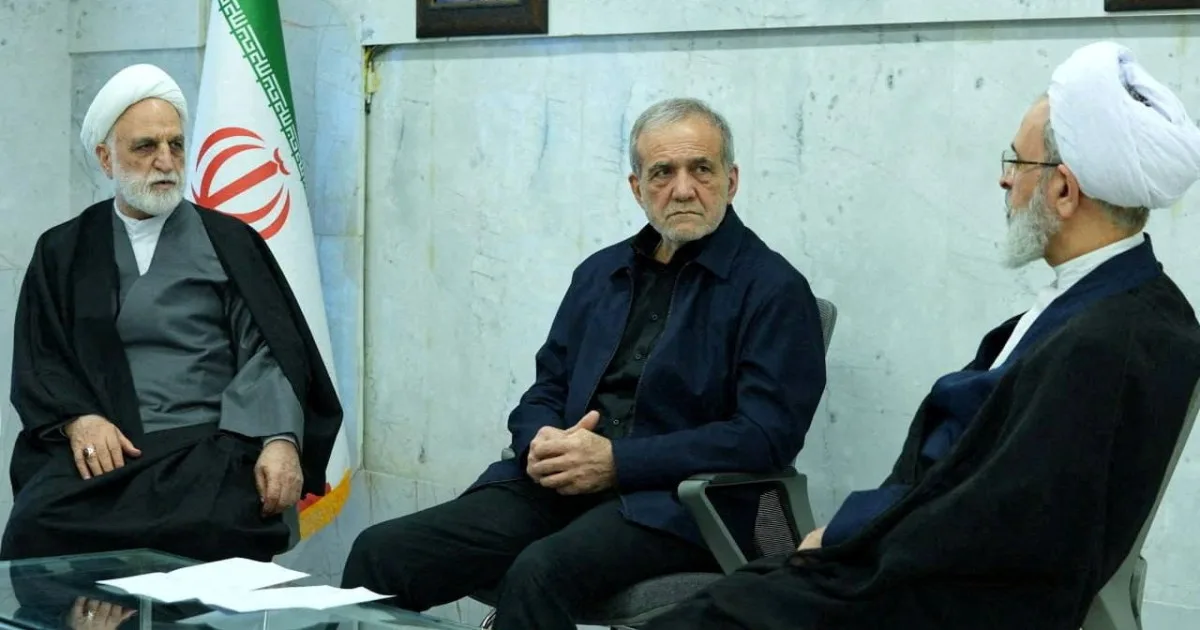
Iran's President Pezeshkian is taking a firm stance to unify his country's leadership, amidst growing tensions with the US. The Strait of Hormuz, a crucial waterway for oil shipments, has become a flashpoint in the dispute. Pezeshkian's efforts to quash divided leadership narratives are seen as a strategic move to strengthen Iran's position. The US has been applying pressure on Iran, and Pezeshkian's actions are a clear response to these efforts. The situation is complex, with multiple players involved, including the US, Iran, and other regional powers.
The US has been increasing its military presence in the region, which has led to concerns about a potential conflict. Iran, on the other hand, has been working to strengthen its relationships with other countries, including China and Russia. Pezeshkian's leadership is under scrutiny, as he navigates these complex geopolitical dynamics. The President's actions are seen as an attempt to demonstrate his country's unity and strength in the face of external pressure. The situation is volatile, and the consequences of miscalculation could be severe.
The Strait of Hormuz is a critical waterway, with a significant portion of the world's oil passing through it. Any disruption to shipping in the area could have major implications for the global economy. The US has been working to build a coalition to counter Iran's influence in the region, but so far, the results have been limited. Pezeshkian's efforts to unify his country's leadership are seen as a response to these efforts. The situation is complex, with multiple factors at play, including economic, military, and diplomatic considerations.
The US-Iran relationship has been strained for decades, with periods of heightened tension. The current situation is particularly volatile, with the US applying pressure on Iran through economic sanctions and military build-up. Pezeshkian's leadership is under pressure to respond to these efforts, while also maintaining stability and unity within Iran. The situation is delicate, and the consequences of miscalculation could be severe. The international community is watching the situation closely, as the potential for conflict is high.
Key Facts
- Iran's President Pezeshkian is working to quash divided leadership narratives.
- The US is applying pressure on Iran over Strait of Hormuz disputes.
- The Strait of Hormuz is a critical waterway for oil shipments.
- The US has increased its military presence in the region.
- Iran is working to strengthen its relationships with other countries, including China and Russia.
- The situation is complex, with multiple players involved.
- The US has been working to build a coalition to counter Iran's influence in the region.
- Pezeshkian's leadership is under scrutiny as tensions with the US escalate.
- The US-Iran relationship has been strained for decades.
- The current situation is particularly volatile, with the US applying pressure on Iran through economic sanctions and military build-up.
Historical Context
The US-Iran relationship has been complex and often contentious, with periods of heightened tension. The 1979 Iranian Revolution marked a significant turning point in the relationship, as the US backed the deposed Shah of Iran. Since then, the two countries have been at odds, with the US imposing economic sanctions on Iran and Iran working to strengthen its relationships with other countries. The current situation is particularly volatile, with the US applying pressure on Iran through economic sanctions and military build-up. Pezeshkian's efforts to unify his country's leadership are seen as a response to these efforts.
The historical context of the US-Iran relationship is complex, with multiple factors at play. The 1953 CIA-backed coup that overthrew the democratically elected government of Prime Minister Mohammad Mosaddegh is seen as a significant turning point in the relationship. The US has also been critical of Iran's nuclear program, which has led to increased tensions between the two countries. The current situation is delicate, with the potential for conflict high. The international community is watching the situation closely, as the consequences of miscalculation could be severe.
The US-Iran relationship has also been influenced by regional dynamics, including the Israeli-Palestinian conflict and the Syrian civil war. The US has been working to build a coalition to counter Iran's influence in the region, but so far, the results have been limited. Pezeshkian's efforts to unify his country's leadership are seen as a response to these efforts. The situation is complex, with multiple players involved, including the US, Iran, Israel, and other regional powers.
Regional Dynamics
The Middle East is a complex and volatile region, with multiple players involved. The US has been working to build a coalition to counter Iran's influence in the region, but so far, the results have been limited. Pezeshkian's efforts to unify his country's leadership are seen as a response to these efforts. The situation is delicate, with the potential for conflict high. The international community is watching the situation closely, as the consequences of miscalculation could be severe.
The Israeli-Palestinian conflict is a significant factor in the regional dynamics, with the US and Iran taking different positions on the issue. The US has been a strong supporter of Israel, while Iran has been a key backer of Palestinian groups. The situation is complex, with multiple factors at play, including economic, military, and diplomatic considerations. Pezeshkian's efforts to unify his country's leadership are seen as a response to these efforts. The situation is volatile, and the consequences of miscalculation could be severe.
The Syrian civil war is another significant factor in the regional dynamics, with the US and Iran taking different positions on the issue. The US has been working to build a coalition to counter Iranian influence in the region, but so far, the results have been limited. Pezeshkian's efforts to unify his country's leadership are seen as a response to these efforts. The situation is complex, with multiple players involved, including the US, Iran, Israel, and other regional powers.
Economic Implications
The current situation has significant economic implications, particularly with regards to oil shipments. The Strait of Hormuz is a critical waterway, with a significant portion of the world's oil passing through it. Any disruption to shipping in the area could have major implications for the global economy. The US has been working to build a coalition to counter Iranian influence in the region, but so far, the results have been limited. Pezeshkian's efforts to unify his country's leadership are seen as a response to these efforts.
The economic implications of the current situation are far-reaching, with the potential to impact global markets. The price of oil has already begun to rise, as investors worry about the potential for conflict. The situation is complex, with multiple factors at play, including economic, military, and diplomatic considerations. Pezeshkian's efforts to unify his country's leadership are seen as a response to these efforts. The situation is volatile, and the consequences of miscalculation could be severe.
The US has been working to impose economic sanctions on Iran, which has had a significant impact on the country's economy. The sanctions have limited Iran's ability to export oil, which has had a major impact on the country's revenue. Pezeshkian's efforts to unify his country's leadership are seen as a response to these efforts. The situation is complex, with multiple players involved, including the US, Iran, and other regional powers.
International Response
The international community is watching the situation closely, as the potential for conflict is high. The US has been working to build a coalition to counter Iranian influence in the region, but so far, the results have been limited. Pezeshkian's efforts to unify his country's leadership are seen as a response to these efforts. The situation is delicate, with the consequences of miscalculation potentially severe.
The European Union has been working to establish a dialogue with Iran, in an effort to reduce tensions. The EU has been critical of the US's approach to Iran, and has been working to establish a more diplomatic approach. Pezeshkian's efforts to unify his country's leadership are seen as a positive step, and the EU is likely to continue its efforts to engage with Iran.
The United Nations has also been involved in the situation, with the Security Council holding an emergency meeting to discuss the situation. The meeting was called by the US, which has been working to build a coalition to counter Iranian influence in the region. Pezeshkian's efforts to unify his country's leadership are seen as a response to these efforts. The situation is complex, with multiple players involved, including the US, Iran, and other regional powers.
Quote from Pezeshkian
Pezeshkian has stated that his country is committed to unity and stability, and that it will not be intimidated by external pressure. He has also emphasized the importance of dialogue and diplomacy, and has called on the international community to support his country's efforts to resolve the situation peacefully. The situation is complex, with multiple factors at play, including economic, military, and diplomatic considerations.
Pezeshkian's statement highlights the complexity of the situation, and the need for a diplomatic solution. The US has been working to build a coalition to counter Iranian influence in the region, but so far, the results have been limited. Pezeshkian's efforts to unify his country's leadership are seen as a response to these efforts. The situation is delicate, with the potential for conflict high.
The international community is watching the situation closely, as the potential for conflict is high. Pezeshkian's statement emphasizes the importance of dialogue and diplomacy, and the need for a peaceful solution. The situation is complex, with multiple players involved, including the US, Iran, and other regional powers.
Future Developments
The situation is volatile, and the potential for conflict is high. The US has been working to build a coalition to counter Iranian influence in the region, but so far, the results have been limited. Pezeshkian's efforts to unify his country's leadership are seen as a response to these efforts. The situation is complex, with multiple factors at play, including economic, military, and diplomatic considerations.
The future developments of the situation are uncertain, but it is clear that the situation will continue to be complex and volatile. The US and Iran are likely to continue their efforts to influence the region, and the potential for conflict will remain high. Pezeshkian's efforts to unify his country's leadership are seen as a positive step, but the situation is delicate, and the consequences of miscalculation could be severe.
The international community is watching the situation closely, as the potential for conflict is high. The situation is complex, with multiple players involved, including the US, Iran, and other regional powers. Pezeshkian's efforts to unify his country's leadership are seen as a response to these efforts, and the situation will continue to be volatile and complex.
Conclusion
The situation in the Middle East is complex and volatile, with the potential for conflict high. Pezeshkian's efforts to unify his country's leadership are seen as a response to US pressure, and the situation is delicate. The international community is watching the situation closely, as the potential for conflict is high. The situation is complex, with multiple players involved, including the US, Iran, and other regional powers.
The future developments of the situation are uncertain, but it is clear that the situation will continue to be complex and volatile. The US and Iran are likely to continue their efforts to influence the region, and the potential for conflict will remain high. Pezeshkian's efforts to unify his country's leadership are seen as a positive step, but the situation is delicate, and the consequences of miscalculation could be severe.
The situation in the Middle East is a complex and multifaceted issue, with multiple factors at play. The US-Iran relationship is a significant factor in the situation, with the two countries having a long and complex history. The current situation is volatile, and the potential for conflict is high. Pezeshkian's efforts to unify his country's leadership are seen as a response to US pressure, and the situation is delicate. The international community is watching the situation closely, as the potential for conflict is high.