

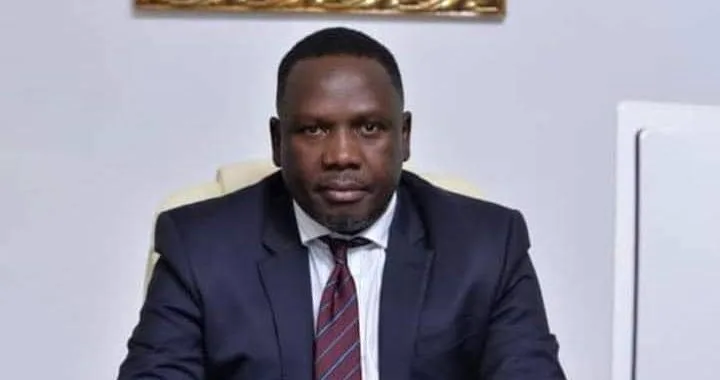
The 2023 Nigerian election was a highly contested and closely watched event, with several candidates vying for the top spot. One of the candidates, Peter Obi, had a surprisingly strong showing, which has been attributed to various factors. However, according to Daniel Bwala, an aide to President Bola Tinubu, Obi's success can be largely attributed to his use of religious rhetoric. Bwala claims that Obi's campaign effectively tapped into the country's religious sentiments, garnering him a significant amount of support. This claim has sparked a heated debate in Nigeria, with many questioning the role of religion in politics.
The Nigerian election was marked by a high level of polarization, with different regions and ethnic groups largely supporting their own candidates. Obi, who is a Christian, had a strong backing from the country's Christian community, while Tinubu, a Muslim, had the support of many Muslims. Bwala's claim suggests that Obi's campaign exploited this religious divide, using rhetoric that resonated with Christian voters. However, it's worth noting that Obi's campaign also focused on issues such as corruption, economy, and education, which may have contributed to his strong showing.
The use of religious rhetoric in Nigerian politics is not new, and many candidates have been accused of exploiting religious sentiments to garner support. However, Bwala's claim has sparked a fresh debate on the role of religion in politics. Some have argued that religion should be separate from politics, while others believe that it's a natural part of the country's cultural fabric. The controversy surrounding Obi's campaign has also raised questions about the authenticity of his online support, with Bwala suggesting that many of his followers are bots.
The claim that Obi's online support is mostly made up of bots has sparked a separate controversy, with many of Obi's supporters defending his online presence. Social media has become an essential tool for politicians in Nigeria, with many using it to connect with their supporters and share their message. However, the use of bots and fake accounts has become a concern, with many questioning the authenticity of online support. Bwala's claim has added fuel to this debate, with many calling for greater transparency and accountability in online political campaigns.
Key Facts
- Daniel Bwala is an aide to Nigerian President Bola Tinubu
- Peter Obi was a candidate in the 2023 Nigerian election
- Obi's campaign was accused of using religious rhetoric to garner support
- The 2023 Nigerian election was marked by a high level of polarization
- Obi's online support has been questioned, with some suggesting it's mostly made up of bots
- The use of bots and fake accounts has become a concern in Nigerian online political campaigns
- The controversy surrounding Obi's campaign has sparked a debate on the role of religion in politics
The Role of Religion in Nigerian Politics
The use of religious rhetoric in Nigerian politics is not new, and many candidates have been accused of exploiting religious sentiments to garner support. Nigeria is a deeply religious country, with a significant Christian and Muslim population. Many politicians have used religion to connect with their supporters and differentiate themselves from their opponents. However, this approach has been criticized by many, who argue that it can lead to polarization and division. The controversy surrounding Obi's campaign has added to this debate, with many questioning the role of religion in politics.
The Nigerian constitution guarantees freedom of religion, and many Nigerians are proud of their country's diversity. However, the use of religious rhetoric in politics has raised concerns about the potential for conflict and division. Many have argued that politicians should focus on issues such as economy, education, and healthcare, rather than exploiting religious sentiments. The debate surrounding Obi's campaign has highlighted the need for a more nuanced approach to politics, one that balances the country's cultural and religious diversity with the need for inclusive and effective governance.
The use of religious rhetoric in Nigerian politics has also been linked to the country's history of conflict and division. Nigeria has experienced several episodes of religious violence, including the Boko Haram insurgency, which has killed thousands of people. The use of religious rhetoric in politics has been criticized for exacerbating these tensions, and many have called for a more responsible approach to politics. The controversy surrounding Obi's campaign has added to this debate, with many arguing that politicians should prioritize unity and inclusivity over religious or ethnic loyalty.
The Authenticity of Online Support
The claim that Obi's online support is mostly made up of bots has sparked a separate controversy, with many of Obi's supporters defending his online presence. Social media has become an essential tool for politicians in Nigeria, with many using it to connect with their supporters and share their message. However, the use of bots and fake accounts has become a concern, with many questioning the authenticity of online support. Bwala's claim has added fuel to this debate, with many calling for greater transparency and accountability in online political campaigns.
The use of bots and fake accounts in online political campaigns is not unique to Nigeria, and many countries have experienced similar challenges. However, the controversy surrounding Obi's campaign has highlighted the need for greater scrutiny and regulation of online political activity. Many have argued that social media companies should do more to prevent the spread of misinformation and promote transparency in online political campaigns. The debate surrounding Obi's campaign has added to this conversation, with many calling for a more responsible approach to online politics.
The Impact on Nigerian Politics
The controversy surrounding Obi's campaign has sparked a heated debate in Nigerian politics, with many questioning the role of religion and online support in political campaigns. The claim that Obi's campaign used religious rhetoric to garner support has raised concerns about the potential for polarization and division. The debate surrounding Obi's online support has also highlighted the need for greater transparency and accountability in online political campaigns. The controversy has added to the ongoing conversation about the need for a more nuanced and inclusive approach to politics in Nigeria.
The controversy surrounding Obi's campaign has also sparked a wider conversation about the state of Nigerian politics. Many have argued that the country's political system is in need of reform, with some calling for a more proportional representation system and others advocating for a stronger role for civil society. The debate surrounding Obi's campaign has highlighted the need for a more robust and inclusive political system, one that can balance the country's diversity and promote effective governance. The controversy has added to the ongoing conversation about the future of Nigerian politics, with many calling for a more responsible and accountable approach to politics.
The Reaction from Obi's Supporters
Obi's supporters have defended his campaign, arguing that his message of hope and change resonated with many Nigerians. They have also pushed back against Bwala's claim that Obi's online support is mostly made up of bots, arguing that his supporters are genuine and passionate about his vision for the country.
The claim that Obi's online support is mostly made up of bots is a baseless and misleading accusation, and it's clear that Bwala is trying to discredit Obi's campaign.
The reaction from Obi's supporters has been fierce, with many taking to social media to defend their candidate. They have argued that Obi's campaign was built on a message of hope and change, and that his supporters are genuine and passionate about his vision for the country. The controversy surrounding Obi's campaign has sparked a wider conversation about the role of social media in politics, with many arguing that it's a powerful tool for mobilizing support and promoting a candidate's message.
The Broader Implications
The controversy surrounding Obi's campaign has sparked a wider conversation about the state of Nigerian politics and the role of religion and online support in political campaigns. The debate surrounding Obi's campaign has highlighted the need for a more nuanced and inclusive approach to politics, one that can balance the country's diversity and promote effective governance. The controversy has also added to the ongoing conversation about the need for greater transparency and accountability in online political campaigns.
The controversy surrounding Obi's campaign has also raised concerns about the potential for polarization and division in Nigerian politics. The use of religious rhetoric in politics has been criticized for exacerbating these tensions, and many have called for a more responsible approach to politics. The debate surrounding Obi's campaign has highlighted the need for a more robust and inclusive political system, one that can promote unity and inclusivity over religious or ethnic loyalty.
Conclusion
The controversy surrounding Obi's campaign has sparked a heated debate in Nigerian politics, with many questioning the role of religion and online support in political campaigns. The claim that Obi's campaign used religious rhetoric to garner support has raised concerns about the potential for polarization and division. The debate surrounding Obi's online support has also highlighted the need for greater transparency and accountability in online political campaigns. The controversy has added to the ongoing conversation about the need for a more nuanced and inclusive approach to politics in Nigeria, and it's clear that the debate will continue to shape the country's political landscape in the months and years to come.