

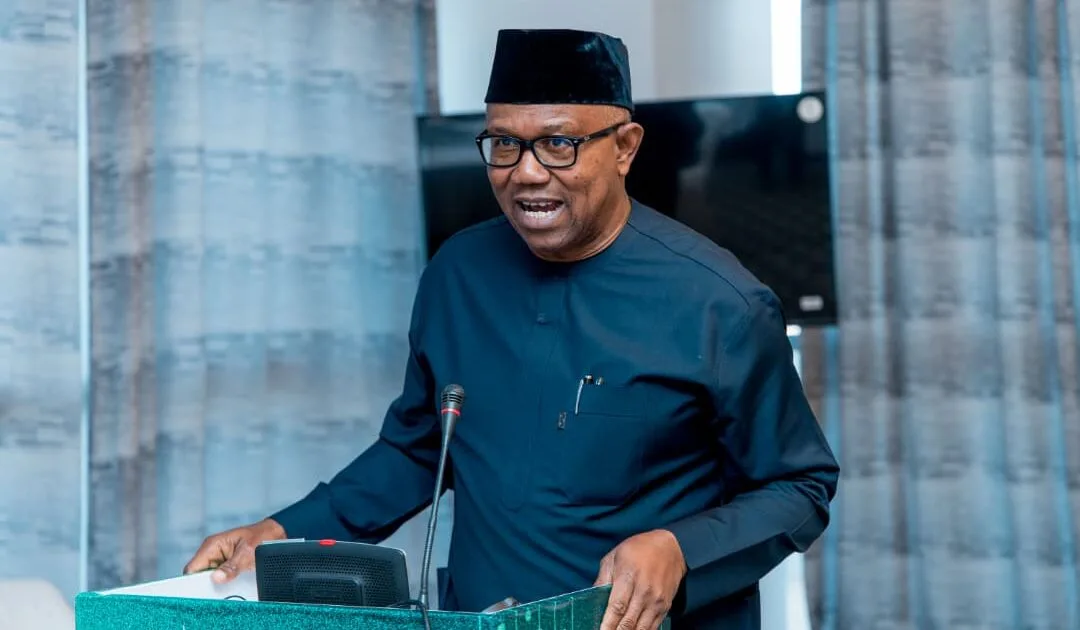
Peter Obi, a well-known figure in Nigerian politics, has been making headlines with his decision to leave political parties. In a recent statement, he explained that his motivation for doing so is not driven by convenience, but rather by the internal crises and litigation that plague these parties. This move has significant implications for Nigeria's political landscape, where party loyalty is often a contentious issue. Obi's decision is likely to spark debate among his supporters and critics alike. The fact that he's speaking out about his reasons for leaving is a testament to his commitment to transparency and accountability in politics.
Nigeria's political system is complex, with multiple parties vying for power. The country has a history of political instability, with parties often plagued by internal conflicts and power struggles. Obi's decision to leave his party is a reflection of this broader trend. By speaking out about the internal crises and litigation that drove his decision, Obi is shedding light on the inner workings of Nigeria's political parties. This could have significant implications for the country's democratic process, as it highlights the need for greater transparency and accountability within political parties.
The Nigerian political landscape is dominated by a few major parties, including the All Progressives Congress (APC) and the Peoples Democratic Party (PDP). These parties have historically been plagued by internal conflicts, with factions often vying for control. Obi's decision to leave his party is a reflection of this broader trend. By speaking out about his reasons for doing so, he's highlighting the need for greater transparency and accountability within political parties. This could have significant implications for Nigeria's democratic process, as it underscores the importance of party loyalty and the challenges of navigating the country's complex political landscape.
Obi's decision to leave his party has sparked significant debate in Nigeria. Some have praised his commitment to transparency and accountability, while others have criticized his decision as a sign of disloyalty. The fact that he's speaking out about his reasons for leaving is a testament to his commitment to democratic values. As Nigeria's political landscape continues to evolve, Obi's decision is likely to have significant implications for the country's democratic process. By highlighting the need for greater transparency and accountability within political parties, he's underscoring the importance of party loyalty and the challenges of navigating the country's complex political landscape.
Key Facts
- Peter Obi is a prominent Nigerian politician
- He has explained why he leaves political parties, citing internal crises and litigation
- Obi's decision has sparked significant debate in Nigeria's political landscape
- Nigeria's political system is complex, with multiple parties vying for power
- The country has a history of political instability, with parties often plagued by internal conflicts and power struggles
- Obi's decision to leave his party is a reflection of this broader trend
- The All Progressives Congress (APC) and the Peoples Democratic Party (PDP) are two of the major parties in Nigeria
- These parties have historically been plagued by internal conflicts, with factions often vying for control
Background on Peter Obi
Peter Obi is a well-known figure in Nigerian politics. He has a long history of public service, having served as the Governor of Anambra State from 2007 to 2014. Obi is known for his commitment to transparency and accountability, and has been a vocal advocate for democratic values. His decision to leave his party is a reflection of his commitment to these values, and underscores the challenges of navigating Nigeria's complex political landscape. By speaking out about his reasons for leaving, Obi is highlighting the need for greater transparency and accountability within political parties.
Obi's background in politics is significant, as it has shaped his perspective on the country's democratic process. He has a deep understanding of the challenges facing Nigeria's political parties, and has been a vocal advocate for reform. By speaking out about his reasons for leaving his party, Obi is underscoring the importance of party loyalty and the challenges of navigating the country's complex political landscape. His decision is likely to have significant implications for Nigeria's democratic process, as it highlights the need for greater transparency and accountability within political parties.
Obi's commitment to democratic values is reflected in his decision to speak out about his reasons for leaving his party. By doing so, he's highlighting the importance of transparency and accountability in politics. This is a significant issue in Nigeria, where political parties have historically been plagued by internal conflicts and power struggles. Obi's decision to leave his party is a reflection of this broader trend, and underscores the need for greater transparency and accountability within political parties.
The Nigerian Political Landscape
Nigeria's political landscape is complex, with multiple parties vying for power. The country has a history of political instability, with parties often plagued by internal conflicts and power struggles. The All Progressives Congress (APC) and the Peoples Democratic Party (PDP) are two of the major parties in Nigeria, and have historically been plagued by internal conflicts. Obi's decision to leave his party is a reflection of this broader trend, and underscores the challenges of navigating the country's complex political landscape.
The Nigerian political landscape is shaped by a number of factors, including the country's history of colonialism and its cultural diversity. The country has over 250 ethnic groups, and this diversity has often been a source of conflict. Nigeria's political parties have historically struggled to navigate these complexities, and have often been plagued by internal conflicts. Obi's decision to leave his party is a reflection of this broader trend, and underscores the need for greater transparency and accountability within political parties.
The challenges facing Nigeria's political parties are significant, and have significant implications for the country's democratic process. By speaking out about his reasons for leaving his party, Obi is highlighting the importance of party loyalty and the challenges of navigating the country's complex political landscape. This is a significant issue in Nigeria, where political parties have historically been plagued by internal conflicts and power struggles. Obi's decision to leave his party is a reflection of this broader trend, and underscores the need for greater transparency and accountability within political parties.
The Implications of Obi's Decision
Obi's decision to leave his party has significant implications for Nigeria's democratic process. By speaking out about his reasons for doing so, he's highlighting the importance of transparency and accountability in politics. This is a significant issue in Nigeria, where political parties have historically been plagued by internal conflicts and power struggles. Obi's decision to leave his party is a reflection of this broader trend, and underscores the need for greater transparency and accountability within political parties.
The implications of Obi's decision are far-reaching, and have significant implications for Nigeria's political landscape. By speaking out about his reasons for leaving his party, Obi is underscoring the importance of party loyalty and the challenges of navigating the country's complex political landscape. This is a significant issue in Nigeria, where political parties have historically struggled to navigate the country's cultural diversity and history of colonialism. Obi's decision to leave his party is a reflection of this broader trend, and underscores the need for greater transparency and accountability within political parties.
Peter Obi's decision to leave his party is a reflection of the broader challenges facing Nigeria's political landscape. By speaking out about his reasons for doing so, he's highlighting the importance of transparency and accountability in politics. This is a significant issue in Nigeria, where political parties have historically been plagued by internal conflicts and power struggles.
The Future of Nigerian Politics
The future of Nigerian politics is uncertain, and Obi's decision to leave his party is a reflection of this broader trend. By speaking out about his reasons for doing so, he's highlighting the importance of transparency and accountability in politics. This is a significant issue in Nigeria, where political parties have historically struggled to navigate the country's cultural diversity and history of colonialism. Obi's decision to leave his party is a reflection of this broader trend, and underscores the need for greater transparency and accountability within political parties.
The future of Nigerian politics will be shaped by a number of factors, including the country's economic development and its cultural diversity. The country has significant economic potential, but has historically struggled to realize this potential due to corruption and mismanagement. Obi's decision to leave his party is a reflection of this broader trend, and underscores the need for greater transparency and accountability within political parties. By speaking out about his reasons for doing so, he's highlighting the importance of party loyalty and the challenges of navigating the country's complex political landscape.
The challenges facing Nigeria's political parties are significant, and have significant implications for the country's democratic process. By speaking out about his reasons for leaving his party, Obi is underscoring the importance of transparency and accountability in politics. This is a significant issue in Nigeria, where political parties have historically been plagued by internal conflicts and power struggles. Obi's decision to leave his party is a reflection of this broader trend, and underscores the need for greater transparency and accountability within political parties.
Conclusion
In conclusion, Peter Obi's decision to leave his party is a significant development in Nigerian politics. By speaking out about his reasons for doing so, he's highlighting the importance of transparency and accountability in politics. This is a significant issue in Nigeria, where political parties have historically been plagued by internal conflicts and power struggles. Obi's decision to leave his party is a reflection of this broader trend, and underscores the need for greater transparency and accountability within political parties. As Nigeria's political landscape continues to evolve, Obi's decision is likely to have significant implications for the country's democratic process.
Obi's commitment to democratic values is reflected in his decision to speak out about his reasons for leaving his party. By doing so, he's highlighting the importance of transparency and accountability in politics. This is a significant issue in Nigeria, where political parties have historically struggled to navigate the country's cultural diversity and history of colonialism. Obi's decision to leave his party is a reflection of this broader trend, and underscores the need for greater transparency and accountability within political parties.
The implications of Obi's decision are far-reaching, and have significant implications for Nigeria's political landscape. By speaking out about his reasons for leaving his party, Obi is underscoring the importance of party loyalty and the challenges of navigating the country's complex political landscape. This is a significant issue in Nigeria, where political parties have historically been plagued by internal conflicts and power struggles. Obi's decision to leave his party is a reflection of this broader trend, and underscores the need for greater transparency and accountability within political parties.