

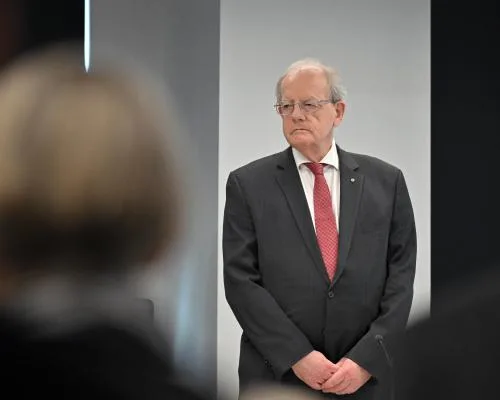
Paul Brereton, Australia's first national anti-corruption commissioner, will step down from the top job in July, citing criticism of potential conflicts of interest as 'drawing attention away' from the body's core purpose. He's been in the role since July 2023, and his final day will be on 6 July. Brereton made this announcement in a statement on Monday afternoon.
Brereton said the 'ongoing focus on matters relating to me personally' were 'drawing attention away from the commission's core purpose of strengthening integrity'. He's been criticised for doing consulting work for his previous employer – the inspector-general of the Australian defence force (IGADF) – while serving as the Nacc's commissioner. The work related to his former position leading an inquiry into alleged war crimes involving Australian troops in Afghanistan.
The Nacc was also heavily criticised after an initial decision in 2024 to not investigate the six people referred to it by the robodebt royal commission. It subsequently reversed the decision the following year. The Nacc inspector, which received more than 1,000 complaints, found that the initial decision was 'affected by apprehended bias'. This was because Brereton hadn't removed himself from the decision-making process despite declaring a perceived conflict of interest with one of the six individuals.
Anthony Whealy, the Centre for Public Integrity chair, said, 'The controversies surrounding Commissioner Brereton, including findings of apprehended bias and ongoing investigations into the handling of conflicts of interest, have reinforced why strong institutional safeguards matter so deeply to public trust.' The Centre for Public Integrity is calling for independent, transparent, and merit-based appointments to fill the two vacancies in the Nacc. They want to restore public trust in the institution. Parliament's oversight role in the process needs to be properly respected, according to Whealy. Ideally, legislated reforms would ensure these things.
Brereton has attracted criticism for his handling of conflicts of interest, and this resignation may be seen as a way to regain public trust. However, it's not clear who will replace him, and what changes will be made to the Nacc to prevent similar issues in the future. The Nacc is expected to appear before a Senate estimates hearing on Tuesday evening. They will likely face questions about Brereton's resignation and the future of the commission.
The hearing may provide more information on what led to Brereton's decision to step down, and what the government plans to do to address the concerns surrounding the Nacc. Brereton's background is worth looking at to understand why his resignation is significant. Before becoming the national anti-corruption commissioner, Brereton was a lawyer and a judge. He was appointed to the role in 2023, and has been leading the Nacc since then.
The Nacc has been under scrutiny for its handling of several high-profile cases, including the robodebt royal commission. The commission's decision to not investigate the six people referred to it was widely criticised. The subsequent reversal of that decision has raised questions about the Nacc's independence and impartiality. The Australian government has been under pressure to strengthen its anti-corruption laws and institutions, and the Nacc is a key part of that effort.
However, the resignation of Brereton and the controversies surrounding the commission have raised concerns about the effectiveness of the Nacc and its ability to hold people in power accountable. The Australian government won't ignore these concerns. They'll need to take action to address them. The government can't afford to lose public trust in the Nacc. It's essential that they take steps to restore it.
Key Facts
- Paul Brereton will step down as national anti-corruption commissioner in July
- Brereton has been criticised for potential conflicts of interest
- The Nacc has received over 1,000 complaints
- The commission reversed its decision not to investigate six people referred to it by the robodebt royal commission
- The Centre for Public Integrity is calling for independent and transparent appointments to fill the vacancies in the Nacc
The resignation of Brereton is a significant development in the story of the Nacc, and it's likely to have implications for the government's anti-corruption efforts. As the Nacc prepares to face the Senate estimates hearing, it's clear that the commission has a long way to go to regain public trust and demonstrate its independence and effectiveness. The government won't be able to ignore the concerns surrounding the Nacc. They'll need to take action to address them.
In the coming weeks and months, the Australian government will need to fill the vacancies in the Nacc and take steps to address the concerns surrounding the commission. This may involve legislated reforms, changes to the Nacc's governance structure, and a renewed commitment to transparency and accountability. The government can't afford to delay these changes. They need to act quickly to restore public trust in the Nacc.
The story of the Nacc and Brereton's resignation is complex, and it's likely to continue to unfold in the coming weeks and months. As more information becomes available, it's clear that the Australian government will need to take steps to restore public trust in the Nacc and demonstrate its commitment to anti-corruption efforts. The government won't be able to ignore the controversy surrounding the Nacc. They'll need to take action to address it.
The resignation of Brereton is a significant moment in the story of the Nacc, and it's likely to have implications for the government's anti-corruption efforts. The Australian government will need to take steps to address the concerns surrounding the commission and demonstrate its commitment to transparency and accountability. They can't afford to lose public trust in the Nacc. It's essential that they take action to restore it.
The Nacc's appearance before the Senate estimates hearing on Tuesday evening will be closely watched, and it's likely to provide more information on what led to Brereton's decision to step down and what the government plans to do to address the concerns surrounding the commission. The hearing may also provide insight into the future of the Nacc and the government's anti-corruption efforts. The government won't be able to hide from the scrutiny. They'll need to face it head-on and take action to address the concerns.
The resignation of Paul Brereton as national anti-corruption commissioner is a significant development in the story of the Nacc. The commission has been under scrutiny for its handling of several high-profile cases, and the resignation of Brereton has raised concerns about the effectiveness of the Nacc and its ability to hold people in power accountable. As the situation continues to unfold, it's clear that the Australian government will need to take steps to restore public trust in the Nacc and demonstrate its commitment to anti-corruption efforts. The government can't afford to delay these changes. They need to act quickly to address the concerns surrounding the Nacc.