

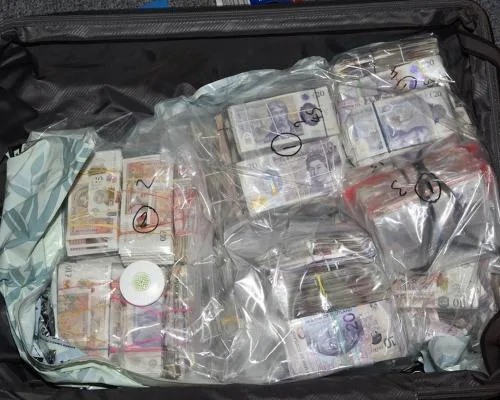
The UK is a hub for dirty money from across the world, with at least £325 billion flowing through the country each year. This figure, equivalent to more than 10% of the UK's GDP, includes illicit funds linked to financial crime, money laundering, corruption, illegal trade, and tax dodging. It's a significant amount that highlights the scale of the problem.
The research, conducted by the Finance Innovation Lab charity, is believed to be the first comprehensive attempt to quantify the scale of illicit finance flows linked to the UK. The figure jumps to more than £788 billion annually when including the UK's crown dependencies and overseas territories, such as Jersey and the Cayman Islands. This increase is largely due to the flow of dirty money through these territories.
Jesse Griffiths, one of the report's authors, said:
Rachel Reeves has described the UK's financial sector as the 'crown jewel' of the economy. Our report shows that, all too often, it's playing a central role in supporting illicit financial flows. This harms our economy, takes money from our public services, and supports crime.
The all-party parliamentary group (APPG) on Anti-Corruption and Responsible Tax is backing the Finance Innovation Lab's calls for government action, including a rise in funding for state investigators, such as the National Crime Agency and Serious Fraud Office. They're also calling for a 'pause' on ministers' plans to make London an international crypto hub, citing the increasing link between crypto assets and money laundering.
Phil Brickell, the Labour chair of the APPG, said:
After years of inaction from previous governments, it's time for us to become part of the solution, not part of the problem. We need to give our enforcement agencies the resources they need to crack down on the scourge of economic crime. Key UK overseas territories must finally lift their veil of corporate secrecy.
The report highlights the need for full transparency over the real owners of shell companies in overseas territories, including the British Virgin Islands. This move is seen as crucial in tackling the flow of dirty money through the UK. It's essential for reducing the risk of economic crime and promoting a healthy economy.
The UK's global role as a financial hub brings economic benefits, but it also attracts criminal, corrupt, and tax-abusive activity that undermines national integrity, distorts markets, and erodes public trust. The government's plans to make the City a global hub for crypto assets risk exacerbating this issue. They won't address the problem of dirty money, and they might even make it worse.
The Finance Innovation Lab's report comes as the UK postponed the Illicit Finance Summit, originally due to take place on 23-24 June, to December. The summit aims to bring together experts and policymakers to discuss ways to combat illicit finance flows. It's an important step towards tackling the problem, and it's essential that the UK takes action soon.
The figures released by the Finance Innovation Lab are a stark reminder of the scale of the problem facing the UK. With the right measures in place, the country can take a significant step towards reducing the flow of dirty money. It can promote a more transparent and accountable financial system, which is essential for a healthy economy.
- At least £325 billion of dirty money flows through the UK every year.
- The figure includes illicit funds linked to financial crime, money laundering, corruption, illegal trade, and tax dodging.
- The UK's crown dependencies and overseas territories, such as Jersey and the Cayman Islands, are implicated in the flow of dirty money.
- The government's plans to make London an international crypto hub may exacerbate the issue.
- The all-party parliamentary group (APPG) on Anti-Corruption and Responsible Tax is backing calls for government action to tackle the problem.
The UK's role in enabling economic crime and tax evasion is complex, with many factors at play. However, it's clear that the country needs to take decisive action to address the problem. By increasing funding for state investigators and promoting transparency in overseas territories, the UK can reduce the flow of dirty money. It can promote a more accountable financial system, which is essential for a healthy economy.
The impact of dirty money on the UK's economy and public services can't be overstated. The flow of illicit funds harms the economy, takes money from public services, and supports crime. It's essential that the government takes a proactive approach to tackling the issue, rather than simply reacting to the symptoms. They must address the root causes of the problem, and they must take action soon.
Policymakers must prioritize transparency and accountability in the financial system. They can achieve this by implementing robust regulations, increasing funding for state investigators, and promoting international cooperation to tackle the global issue of dirty money. It's crucial that they take a comprehensive approach to addressing the problem.
The Finance Innovation Lab's report is a wake-up call for the UK government to take action against the flow of dirty money. With the right measures in place, the country can promote a more transparent and accountable financial system. It can reduce the risk of economic crime and support the growth of a healthy and sustainable economy. The UK government must take action soon to address the problem, and they must be proactive in their approach.