

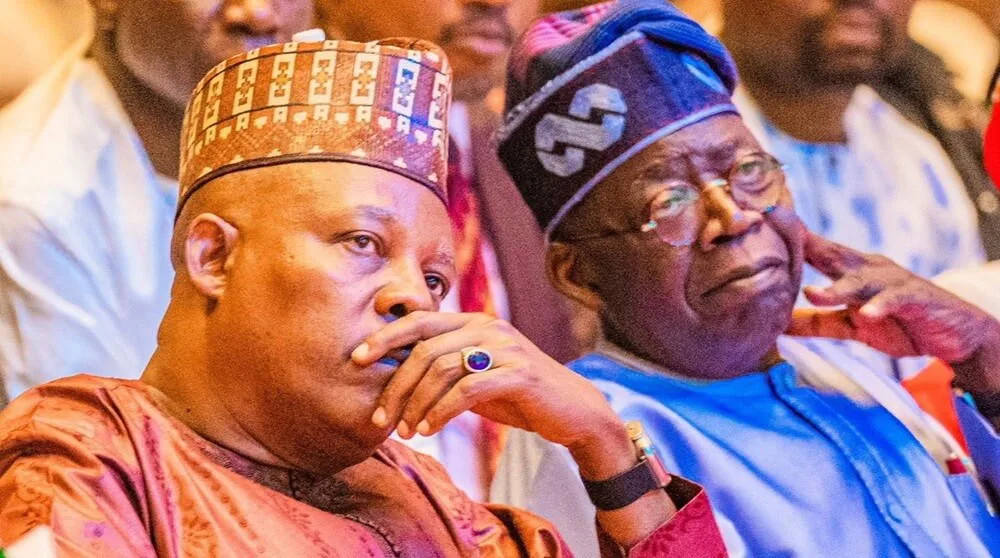
The Eid-el-Kabir celebrations, which usually bring a sense of relief and shared joy, were marked this Wednesday by a sober appeal from the leadership. Vice-President Kashim Shettima, who led prayers at the Ramat Square Eid Ground in Maiduguri, addressed the crowd with a message centered on endurance. He didn't shy away from the reality that life has become significantly tougher for the average Nigerian. He acknowledged the biting effect of global economic pressures on local pockets.
"Government at all levels are poised to ameliorate the sufferings of the Nigerian people. Let there be peace in the land, and let us pray for peace, not only in Borno but in all the nooks and crannies of the country."
Shettima’s call for patience comes at a time when the price of basic food items and transport continues to climb. This trend has forced many families to rethink their traditional Sallah plans. He framed the current economic squeeze as a global challenge. He hopes that the temporary discomfort will eventually lead to more stable times under the current administration. His plea for calm extends beyond just the economy.
It’s also a request for national stability at a time when the government feels the heat of public discontent.
As the clock ticks toward 2027, the political atmosphere is starting to thicken. The Vice-President took a moment to address those already positioning themselves for the next general elections. He warned against the use of inflammatory language that could heat up an already fragile polity. He advocated for maturity and tolerance among political actors. He reminded everyone that the ties binding Nigerians together are far more important than the partisan interests that seek to split the nation.
Shortly after the prayers, the Deputy Governor of Borno, Umar Kadafur, held a Sallah homage at the Vice-President's residence in Maiduguri. The visit wasn't just a routine cultural courtesy. It served as a signal of continued alignment between the state government and the federal leadership. Kadafur expressed his support for the administration’s direction. He wished the Vice-President the wisdom and health required to help navigate the country through its current hurdles.
Borno State, which has spent years battling the fallout of insurgency, views the peaceful conduct of this year's Eid as a small victory in itself. Kadafur highlighted the need for sustainable progress in the state. He noted that residents are desperate for the kind of prosperity that allows businesses to thrive and children to attend school without fear. The quiet nature of the celebrations in the northeast stands as a hopeful contrast to the broader economic frustration felt across the federation.
Key Figures and Context
- Kashim Shettima: Vice-President of Nigeria, former Governor of Borno State, and a key strategist for the current ruling party.
- Umar Kadafur: Deputy Governor of Borno State, known for his role in coordinating state-level development initiatives.
- Ramat Square: A historic prayer ground in Maiduguri that frequently hosts major religious and state gatherings.
- May 27, 2026: The date of the Eid-el-Kabir celebrations where these comments were officially made.
- 2027 General Elections: The upcoming national polls that are currently dictating much of the rhetoric and political posturing in Abuja and across the states.
The global context Shettima referenced regarding the turmoil in the Middle East isn't just diplomatic jargon. It directly impacts the cost of fuel and imported goods that Nigerians rely on daily. By pointing to external conflicts, the government is signaling that the local struggle is part of a larger, global wave of economic instability that is currently hitting almost every developing nation. Yet, for the person in the market or the driver at the petrol station, the explanation matters less than the price tag on the pump or the bag of rice. The administration’s focus for the coming months will be on balancing these international pressures with the immediate need to put money into the hands of the working class.