

A New Financial Direction
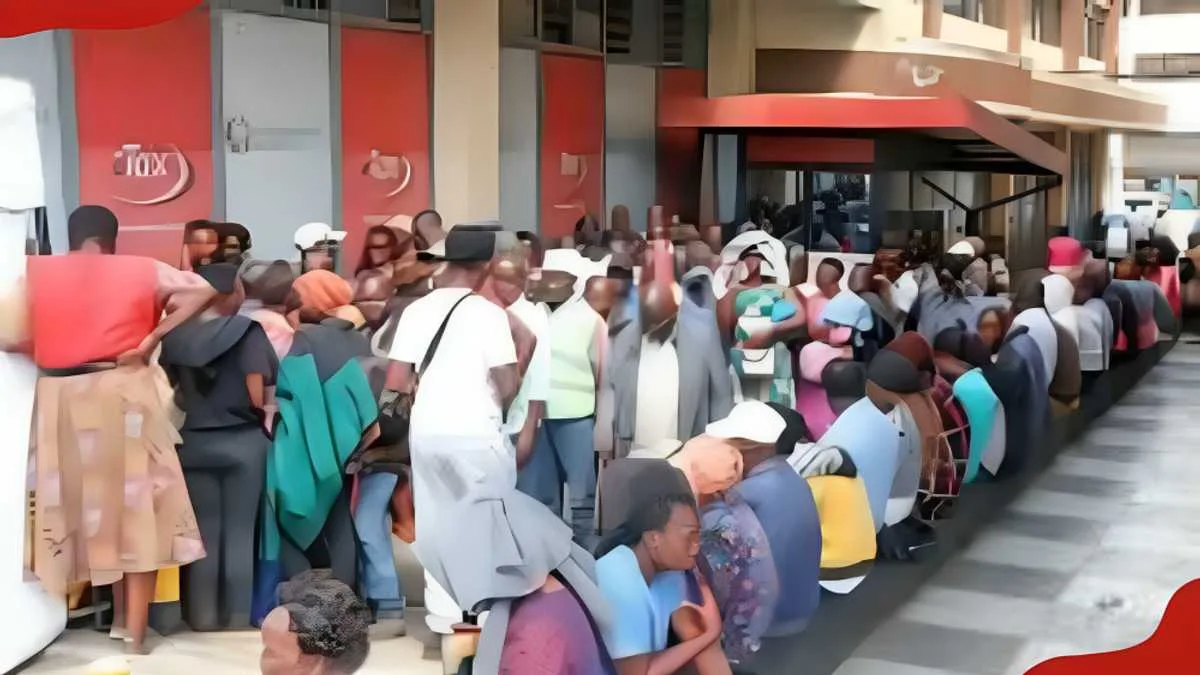
President William Ruto dropped a bombshell at the National Prayer Breakfast in Nairobi this morning, hinting at a major shift in how the government handles tax policy. He announced that his administration is working on a plan to stop taxing people who earn KSh 30,000 or less per month. This means those currently under the Pay As You Earn (PAYE) bracket would see an instant boost in their take-home pay. This relief responds to the rising cost of living that Kenyans face today.
"We have devised means to fund development projects without reliance on taxes," the President stated during the event.
He pointed to the ongoing construction of the Nairobi-Nakuru-Mau Summit road as the blueprint for this new, less tax-reliant model. This massive infrastructure project is being handled through a Public-Private Partnership (PPP) involving the China Road and Bridge Corporation (CRBC) and the National Social Security Fund (NSSF). By bringing in private and institutional investors, the government expects to bridge development gaps. The road's toll collections will pay for the investment over the next three decades.
The Financial Trade-offs
Treasury officials have raised concerns about the fiscal implications of this tax break. Dropping taxes for this demographic is expected to create a shortfall of at least KSh 40 billion in the national budget. The government must now figure out how to fill this hole without slapping new taxes on everyone else. This represents a complex budgetary challenge for the National Assembly as they prepare to debate the proposal.
Previously, the discussions surrounding tax relief were focused on those earning KSh 24,000 and below. By pushing that ceiling up to KSh 30,000, the President is effectively expanding the safety net to include more working-class citizens. This isn't just a political promise; the administration is already moving to formalize the plan before the legislative chambers to ensure it takes effect.
Infrastructure and Institutional Investment
The involvement of the National Social Security Fund in the Nairobi-Nakuru-Mau Summit road project is clear evidence of a shift in strategy. The fund is committing between KSh 20 billion and KSh 25 billion for a 30-year stake in the highway. This marks a clear pivot where government-backed institutions act as partners rather than just entities sitting on cash reserves. If this model works for the Mau Summit road, the state plans to replicate it across other sectors to minimize the burden on the taxpayer.
In other parts of the financial sector, authorities are grappling with massive losses caused by internal fraud. Recent reports from the Directorate of Criminal Investigations (DCI) detailed how a major Nairobi Sacco lost KSh 13.4 billion due to systemic fraud by its officials. These kinds of losses highlight the fragility of financial institutions in the country. This reality adds pressure on the government to prove that new investment models are secure from such malpractices.
Legislative Hurdles and Economic Outlook
Ndindi Nyoro, the Chairperson of the National Assembly Budget and Appropriations Committee, has been actively presenting various proposals to reduce the cost of fuel. These discussions are happening alongside the President's tax relief plan, forming part of a broader strategy to lower the cost of living. The integration of these various policies will determine if the average Kenyan feels any genuine relief in their pockets before the end of the year.
The next phase involves a rigorous review by the National Assembly. While the Executive has made its intent clear, the legislative process requires careful drafting to ensure that the KSh 40 billion shortfall doesn't cripple essential services. Kenyans are watching closely to see if this tax exemption is signed into law without being watered down or delayed by bureaucratic red tape.