

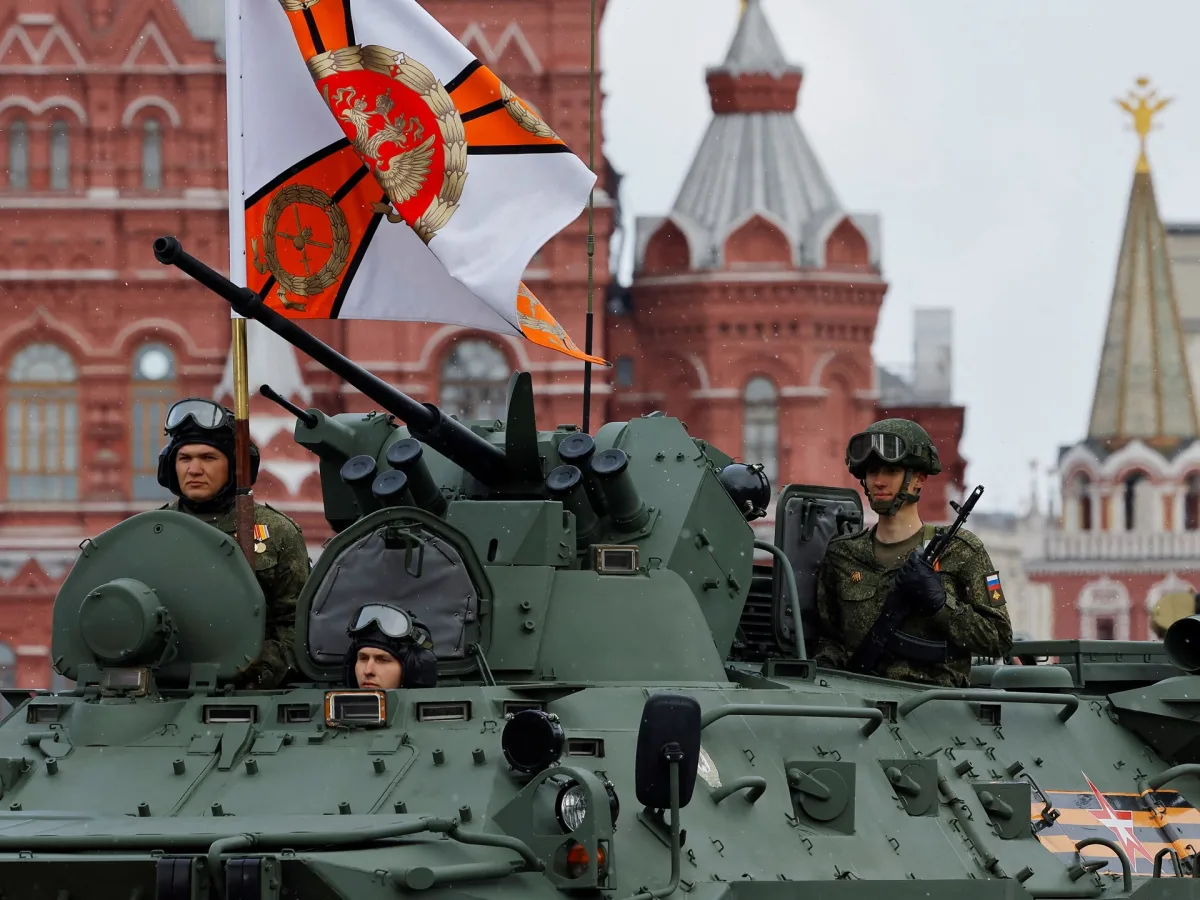
Russia's declaration of a ceasefire on May 9 is a significant move, as it coincides with the country's Victory Day celebrations, which commemorate the Soviet Union's victory over Nazi Germany in World War II. The ceasefire is set to last for 36 hours, during which time Russian forces will allegedly halt all military operations in Ukraine. However, Ukrainian officials have expressed skepticism about the move, citing previous instances of Russian ceasefire declarations that were not upheld.
The Ukrainian government has declared its own ceasefire, which is set to start on May 10, but only if Russian forces agree to withdraw from Ukrainian territory. The move is seen as a response to Russia's declaration, with Ukrainian officials seeking to gain the upper hand in the ongoing conflict. The situation on the ground remains tense, with both sides engaging in military operations despite the ceasefire declarations.
The conflict between Russia and Ukraine has been ongoing for months, with both sides suffering heavy losses. The conflict began in 2014, when Russian forces annexed the Crimean Peninsula, which is internationally recognized as part of Ukraine. Since then, Russian-backed separatists have been fighting against Ukrainian government forces in eastern Ukraine. The conflict has resulted in thousands of deaths and widespread destruction.
The international community has been calling for a ceasefire and a peaceful resolution to the conflict. However, the situation remains complex, with both sides dug in and refusing to back down. The United States and European Union have imposed economic sanctions on Russia in response to its actions in Ukraine, which has had a significant impact on the Russian economy.
Key Facts
- Russia declared a ceasefire on May 9, which is set to last for 36 hours
- Ukraine declared its own ceasefire, set to start on May 10, but only if Russian forces withdraw from Ukrainian territory
- The conflict between Russia and Ukraine began in 2014
- The conflict has resulted in thousands of deaths and widespread destruction
- The international community has been calling for a ceasefire and a peaceful resolution to the conflict
- The United States and European Union have imposed economic sanctions on Russia in response to its actions in Ukraine
Background to the Conflict
The conflict between Russia and Ukraine has a long and complex history. The two countries were once part of the Soviet Union, but they have distinct cultural and linguistic differences. Ukraine has been seeking to integrate with Europe and the West, while Russia has been seeking to maintain its influence over the region. The conflict began in 2014, when Russian forces annexed the Crimean Peninsula, which is internationally recognized as part of Ukraine.

The annexation of Crimea was widely condemned by the international community, and it led to a significant deterioration in relations between Russia and Ukraine. The conflict has since escalated, with Russian-backed separatists fighting against Ukrainian government forces in eastern Ukraine. The situation has been further complicated by the involvement of other countries, including the United States and European Union, which have imposed economic sanctions on Russia in response to its actions in Ukraine.
The economic sanctions have had a significant impact on the Russian economy, with the country's GDP declining by over 3% in 2015. However, the sanctions have not had the desired effect of changing Russia's behavior, and the conflict continues to escalate. The international community is seeking a peaceful resolution to the conflict, but it remains to be seen whether a ceasefire can be achieved and upheld.
The Role of Drones in the Conflict
Drones have been playing an increasingly important role in the conflict between Russia and Ukraine. Ukrainian forces have been using drones to gather intelligence and conduct reconnaissance missions, while Russian forces have been using drones to conduct airstrikes and other military operations. The use of drones has been seen as a game-changer in the conflict, as it has allowed both sides to conduct military operations with greater precision and accuracy.
The use of drones has also raised concerns about the potential for escalation, as it has allowed both sides to conduct military operations with greater ease and frequency. The Ukrainian government has been seeking to acquire more advanced drones, including those with the capability to conduct airstrikes. The Russian government has also been seeking to acquire more advanced drones, including those with the capability to conduct electronic warfare operations.
The use of drones in the conflict between Russia and Ukraine is a significant development, as it has allowed both sides to conduct military operations with greater precision and accuracy. However, it also raises concerns about the potential for escalation, and the need for a ceasefire and a peaceful resolution to the conflict.
The Humanitarian Crisis
The conflict between Russia and Ukraine has resulted in a significant humanitarian crisis, with thousands of people displaced and in need of assistance. The conflict has also resulted in widespread destruction, with many homes and buildings destroyed or damaged. The international community has been providing humanitarian assistance, including food, shelter, and medical care, but more needs to be done to address the crisis.
The humanitarian crisis has been exacerbated by the lack of access to basic necessities, including food, water, and healthcare. Many people have been forced to flee their homes and seek refuge in other parts of Ukraine or in neighboring countries. The conflict has also had a significant impact on the mental health of those affected, with many people experiencing trauma and stress.
The Ukrainian government has been seeking to address the humanitarian crisis, including by providing assistance to those affected and seeking to rebuild damaged infrastructure. However, the conflict continues to escalate, and the humanitarian crisis remains a significant concern. The international community needs to do more to address the crisis, including by providing additional humanitarian assistance and seeking to achieve a ceasefire and a peaceful resolution to the conflict.
The International Response
The international community has been responding to the conflict between Russia and Ukraine, including by imposing economic sanctions on Russia and providing humanitarian assistance to those affected. The United States and European Union have been at the forefront of the international response, with both imposing significant economic sanctions on Russia.
The economic sanctions have had a significant impact on the Russian economy, but they have not had the desired effect of changing Russia's behavior. The international community is seeking a peaceful resolution to the conflict, but it remains to be seen whether a ceasefire can be achieved and upheld. The conflict has significant implications for global security, including the potential for escalation and the impact on regional stability.
The international community needs to do more to address the conflict, including by providing additional humanitarian assistance and seeking to achieve a ceasefire and a peaceful resolution to the conflict. The conflict has significant implications for global security, and it requires a coordinated and sustained response from the international community.
The Way Forward
The conflict between Russia and Ukraine is complex and multifaceted, and it requires a comprehensive and sustained response from the international community. The international community needs to do more to address the conflict, including by providing additional humanitarian assistance and seeking to achieve a ceasefire and a peaceful resolution to the conflict.
The Ukrainian government has been seeking to integrate with Europe and the West, while Russia has been seeking to maintain its influence over the region. The conflict has significant implications for global security, including the potential for escalation and the impact on regional stability. The international community needs to work together to address the conflict, including by providing additional humanitarian assistance and seeking to achieve a ceasefire and a peaceful resolution to the conflict.
The way forward is unclear, but it is certain that the conflict between Russia and Ukraine will continue to have significant implications for global security. The international community needs to remain engaged and committed to finding a peaceful resolution to the conflict, including by providing additional humanitarian assistance and seeking to achieve a ceasefire and a peaceful resolution to the conflict. The conflict has resulted in significant human suffering, and it is imperative that the international community works together to address the crisis and find a peaceful resolution.