

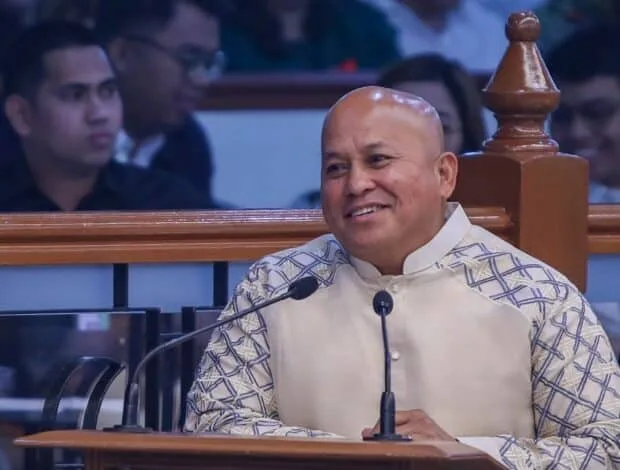
Senator Robin Padilla has officially taken a stand, insisting that his colleague, Senator Ronald “Bato” dela Rosa, should be permitted to participate in Senate legislative functions through online channels. This push comes as Dela Rosa continues to steer clear of the halls of the Senate of the Philippines in Pasay City. The primary friction point remains the warrant of arrest issued by the International Criminal Court (ICC) linked to the brutal campaign against illegal drugs initiated during the previous administration.
Padilla’s argument relies on the distinction between voluntary absence and a strategic avoidance of potential capture. He maintains that if the law allows for virtual attendance in certain business settings or in light of unforeseen circumstances, the same accommodation should apply here. A senator’s mandate to serve the people shouldn't be interrupted simply because there's a legal cloud hanging over their head.
“Bato is wanted by the ICC; it’s not that he doesn’t want to attend sessions. Those are two very different things. He is avoiding appearing in person because he could be put under arrest.”
Ronald “Bato” dela Rosa is a former chief of the Philippine National Police who served as the primary enforcer of the anti-narcotics drive launched in 2016. He rose to prominence as the face of that operation, which later drew intense global scrutiny and subsequent investigations into alleged human rights violations. The ICC has been probing these events for years. The warrant represents a major escalation in that international legal saga.
The technical side of this request hinges on existing Senate rules regarding plenary sessions and committee meetings. Historically, these spaces required physical presence to ensure valid voting and deliberation. The COVID-19 pandemic forced the body to adopt hybrid setups, creating a precedent that Padilla is now trying to leverage for his ally. The Senate leadership hasn't yet issued a definitive ruling on whether this specific legal dilemma qualifies as a valid reason for permanent remote work.
The Legal Landscape of the ICC Probe
The ICC’s interest in the Philippines began after a series of complaints reached the court in The Hague. Prosecutors have argued that the thousands of deaths during the drug war didn't occur in a vacuum but followed a clear, state-sanctioned pattern. Dela Rosa has consistently denied any wrongdoing, often describing the allegations as a form of foreign interference in local sovereignty. His supporters, including many within the current political coalition, have rallied behind the narrative that the country's own judicial system should handle all internal matters.
For the average Filipino taxpayer, this debate brings up complex questions about what it means to be a public servant when you're effectively living in hiding. If a lawmaker can't safely step into the plenary floor without risking incarceration by an international body, they face a unique dilemma in fulfilling their sworn duties. The Senate remains divided on how to balance the dignity of the institution with the practical reality of one of its members becoming a target for arrest.
Local analysts note that this situation is unprecedented in Philippine political history. While various politicians have faced corruption charges or detention before, being a sitting senator under an active international warrant is a different beast entirely. If the Senate grants this request, it could fundamentally alter the chamber's standards for presence and participation. The Department of Justice has been careful to navigate the delicate balance between international obligations and the protection of local officials.
The fate of Dela Rosa’s virtual seat depends on the interpretation of the Senate’s internal rules, known as the Rules of the Senate. These guidelines were crafted long before the threat of an international warrant became a daily conversation among lawmakers. The debate isn't just about one man. It’s about whether the Senate can function as a virtual sanctuary for those facing legal challenges from outside the country. The public remains divided, with some calling it an innovative solution and others slamming it as a way to avoid accountability.