

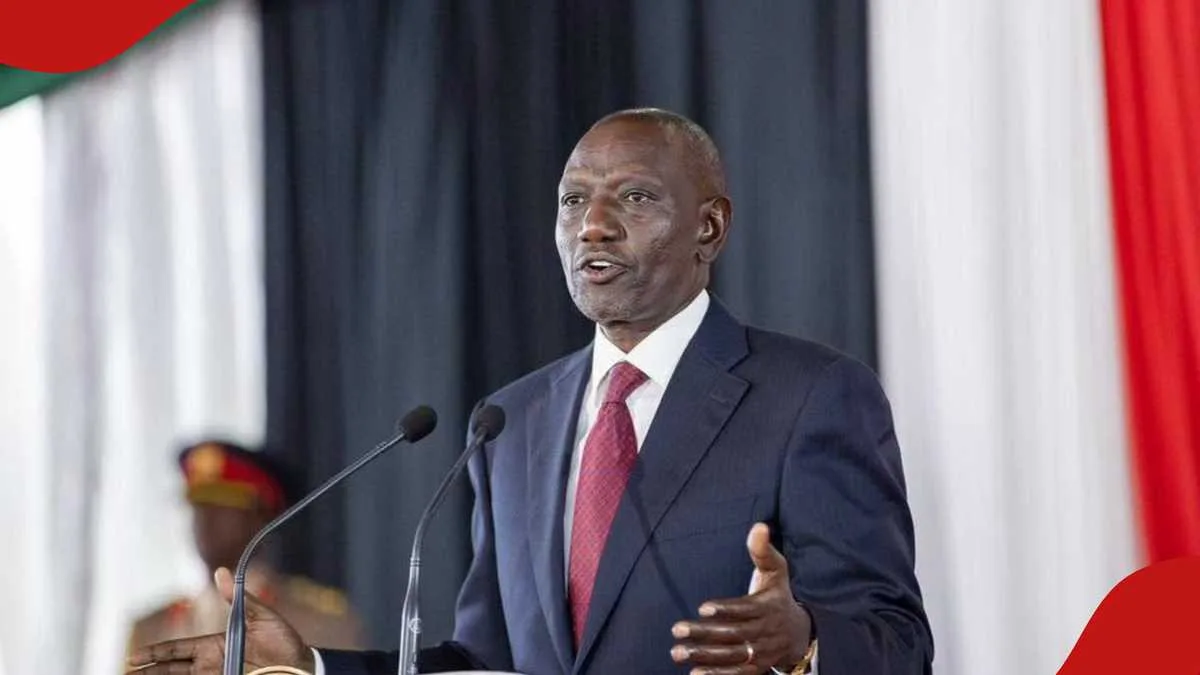
President William Ruto has firmly pushed back against claims that he personally intervened to end the recent transport sector standoff. Speaking at the National Prayer Breakfast on Thursday, May 28, the head of state clarified that he didn't simply command the Matatu Owners Association to return to the road. Instead, he suggested that his meeting with industry leaders was more of a masterclass in economic reality.
The President claimed he walked these transport bosses through the country's financial history to show them exactly why things are the way they are. He reportedly reminded them of the state of the nation back in 2022, right after he moved into State House. That period was marred by a severe fuel shortage that left many Kenyans wandering around petrol stations with empty jerrycans. They were desperate to find even a drop of fuel for their businesses or commute.
The country was drowning in the cost of what he described as 'reckless' oil subsidies. The government had to cough up between KSh150 billion and KSh160 billion just to clear the mess that those subsidies created before his administration took over. He shared these figures to help the stakeholders understand the tight corner the economy is currently in.
Following the presentation of these economic facts, the President claimed that the transport stakeholders were effectively silenced by the gravity of the situation. He told the audience at the prayer breakfast that the matatu leaders, in a surprising turn, even asked him to pray for them. This account paints a picture of a room where the conversation shifted from aggressive bargaining to a quiet acknowledgement of the country's fiscal pain.
Albert Karakacha, the chairman of the Matatu Owners Association, had previously announced the calling off of the strike on Friday, May 22. At that time, the association emphasized that the decision was driven by a sense of 'civic obligation' to support the country during its current economic struggle. This narrative aligns with the President's suggestion that the leaders took the initiative to resume operations without being coerced by the government.
This incident mirrors challenges often seen in the Nigerian transport sector, where unions frequently clash with the federal government over the rising cost of petrol and the removal of subsidies. Much like the Kenyan situation, these disputes often paralyze major cities like Lagos and Abuja. They leave the average citizen to trek long distances to work or pay exorbitant fares to informal transport operators.
The transport sector called off their planned nationwide strike following discussions with President Ruto. We have called off the strike. We had suspended the strike, but we've called it off. So we won't have the strike next week. We are going to work.
Beyond the transport sector, the President is currently navigating a variety of pressures, including protests over fuel price hikes that have seen tensions rise in areas like Nyeri. With economic grievances mounting, the administration is eager to frame its negotiations as transparent dialogues based on facts, rather than political arm-twisting. The long-term satisfaction of transport operators remains tied to how the price of fuel stabilizes in the coming months.