

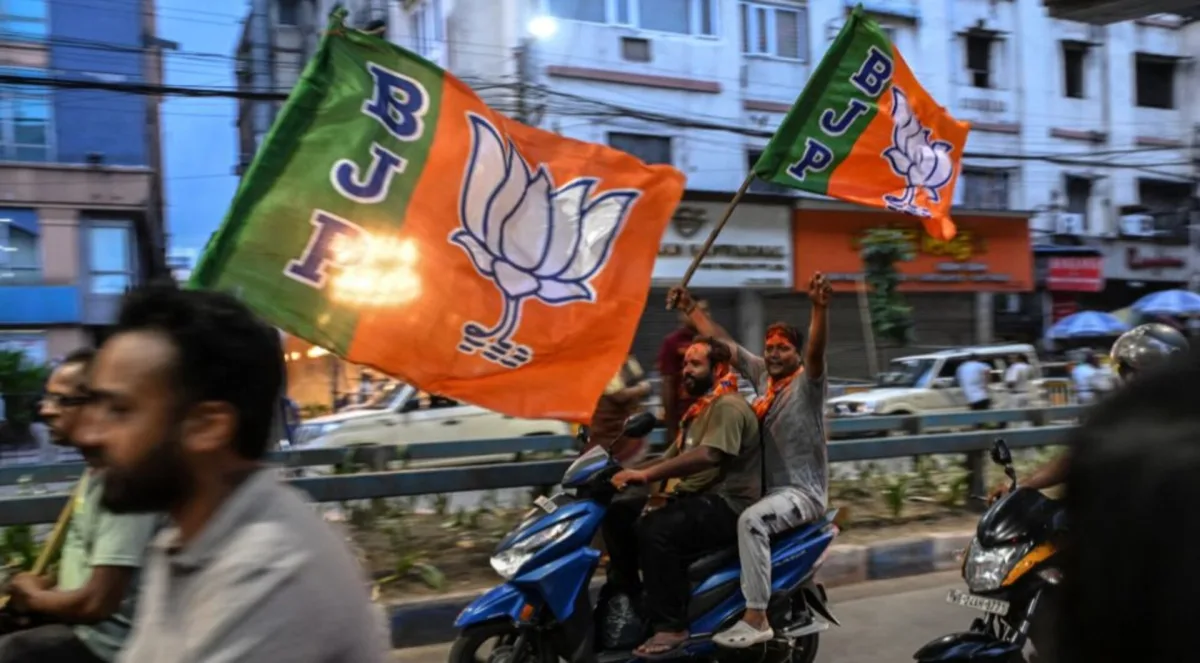
The BJP's victory in West Bengal is a significant turning point in Indian politics. The state, which has a long history of communist and left-leaning governments, has never been a stronghold for the BJP. However, the party's campaign, led by Prime Minister Narendra Modi and Home Minister Amit Shah, was able to tap into the state's growing middle class and nationalist sentiment. The BJP's promise of economic development and job creation resonated with many voters, particularly among the state's youth.
The election results have sparked concerns among India's Muslim population, who make up around 27% of West Bengal's population. Many Muslims in the state have expressed fears about the BJP's Hindu nationalist agenda and the potential for increased discrimination and violence. The BJP has been accused of promoting a divisive and exclusionary brand of politics, which has led to increased tensions between Hindus and Muslims in the country. The party's victory in West Bengal has raised questions about the future of India's secular democracy and the impact on the country's diverse population.

The BJP's win in West Bengal is also a significant blow to the state's ruling Trinamool Congress (TMC) party, led by Chief Minister Mamata Banerjee. The TMC has been in power in the state since 2011 and has been a key opposition party to the BJP at the national level. The TMC's defeat has sparked concerns about the future of the party and the potential for the BJP to consolidate its power in the state. The election results have also raised questions about the role of the Indian National Congress (INC) party, which has been struggling to regain its footing in the state.
The BJP's victory in West Bengal is a complex and multifaceted issue, with many different factors contributing to the party's success. The party's campaign was able to tap into the state's growing middle class and nationalist sentiment, while also exploiting divisions within the opposition parties. The BJP's use of social media and other digital platforms also played a significant role in the party's victory, allowing it to reach a wider audience and mobilize its supporters.
Key Facts
- The BJP won 77 seats in the West Bengal state assembly, while the TMC won 45 seats.
- The INC won 1 seat in the state assembly, while other parties won 5 seats.
- The BJP's victory in West Bengal is its first in the state, which has traditionally been a stronghold for left-leaning parties.
- The election results have sparked concerns about the future of India's democracy and the impact on the country's diverse population.
- The BJP's win has raised questions about the role of nationalism and Hinduism in Indian politics.
The BJP's Rise to Power
The BJP's victory in West Bengal is the latest in a series of electoral successes for the party. The BJP has been in power at the national level since 2014, when Narendra Modi became Prime Minister. The party has also won several state elections in recent years, including in the states of Uttar Pradesh, Gujarat, and Maharashtra. The BJP's rise to power has been fueled by its nationalist and Hindu-centric agenda, which has resonated with many voters in the country.

The BJP's campaign in West Bengal was led by Prime Minister Narendra Modi and Home Minister Amit Shah, who are both known for their hardline nationalist views. The party's campaign focused on issues such as economic development, job creation, and national security, which resonated with many voters in the state. The BJP also exploited divisions within the opposition parties, particularly between the TMC and the INC.
The BJP's use of social media and other digital platforms also played a significant role in the party's victory. The party has a strong online presence, with many of its leaders and supporters actively using social media to promote the party's message. The BJP also used data analytics and other digital tools to target specific voters and mobilize its supporters.
The Impact on India's Muslims
The BJP's victory in West Bengal has sparked concerns among India's Muslim population, who make up around 14% of the country's population. Many Muslims in the state have expressed fears about the BJP's Hindu nationalist agenda and the potential for increased discrimination and violence. The BJP has been accused of promoting a divisive and exclusionary brand of politics, which has led to increased tensions between Hindus and Muslims in the country.
The BJP's victory in West Bengal is a wake-up call for India's Muslims, who must now confront the reality of a Hindu nationalist government in the state. As one Muslim resident of Kolkata said, "We are worried about our future and the future of our children. We don't know what the BJP's victory will mean for us, but we are prepared to fight for our rights and our dignity."
The BJP's win has also raised questions about the role of Muslim leaders and organizations in the state. Many Muslim leaders have been criticized for their failure to mobilize the community and counter the BJP's nationalist agenda. The BJP's victory has also sparked debates about the future of Muslim politics in the state and the need for more effective representation and advocacy.
The Future of India's Democracy
The BJP's victory in West Bengal has raised questions about the future of India's democracy and the impact on the country's diverse population. The BJP's nationalist and Hindu-centric agenda has sparked concerns about the potential for increased discrimination and violence against minority groups. The party's win has also raised questions about the role of opposition parties and the need for more effective representation and advocacy.
The BJP's victory has also sparked debates about the future of India's secular democracy and the potential for a more authoritarian and nationalist government. The party's use of social media and other digital platforms has raised concerns about the potential for manipulation and control of information. The BJP's win has also raised questions about the role of the media and the need for more independent and critical reporting.
The Role of Nationalism and Hinduism
The BJP's victory in West Bengal has raised questions about the role of nationalism and Hinduism in Indian politics. The party's campaign focused on issues such as national security and Hindu pride, which resonated with many voters in the state. The BJP's use of Hindu nationalist rhetoric and symbolism has sparked concerns about the potential for increased discrimination and violence against minority groups.
The BJP's win has also raised questions about the future of Hindu-Muslim relations in the country. The party's nationalist and Hindu-centric agenda has sparked concerns about the potential for increased tensions and violence between Hindus and Muslims. The BJP's victory has also raised questions about the role of Hindu nationalist organizations and the potential for more extremist and violent groups to emerge.
The Way Forward
The BJP's victory in West Bengal is a significant turning point in Indian politics, with many different factors contributing to the party's success. The party's campaign was able to tap into the state's growing middle class and nationalist sentiment, while also exploiting divisions within the opposition parties. The BJP's use of social media and other digital platforms also played a significant role in the party's victory.
The BJP's win has raised questions about the future of India's democracy and the impact on the country's diverse population. The party's nationalist and Hindu-centric agenda has sparked concerns about the potential for increased discrimination and violence against minority groups. The BJP's victory has also raised questions about the role of opposition parties and the need for more effective representation and advocacy.
The way forward for India's democracy is uncertain, with many different factors at play. The BJP's victory in West Bengal is a wake-up call for the country's opposition parties, who must now confront the reality of a Hindu nationalist government in the state. The BJP's win has also raised questions about the future of Muslim politics in the state and the need for more effective representation and advocacy. As the country moves forward, it is clear that the BJP's victory in West Bengal will have significant implications for India's democracy and its diverse population.