

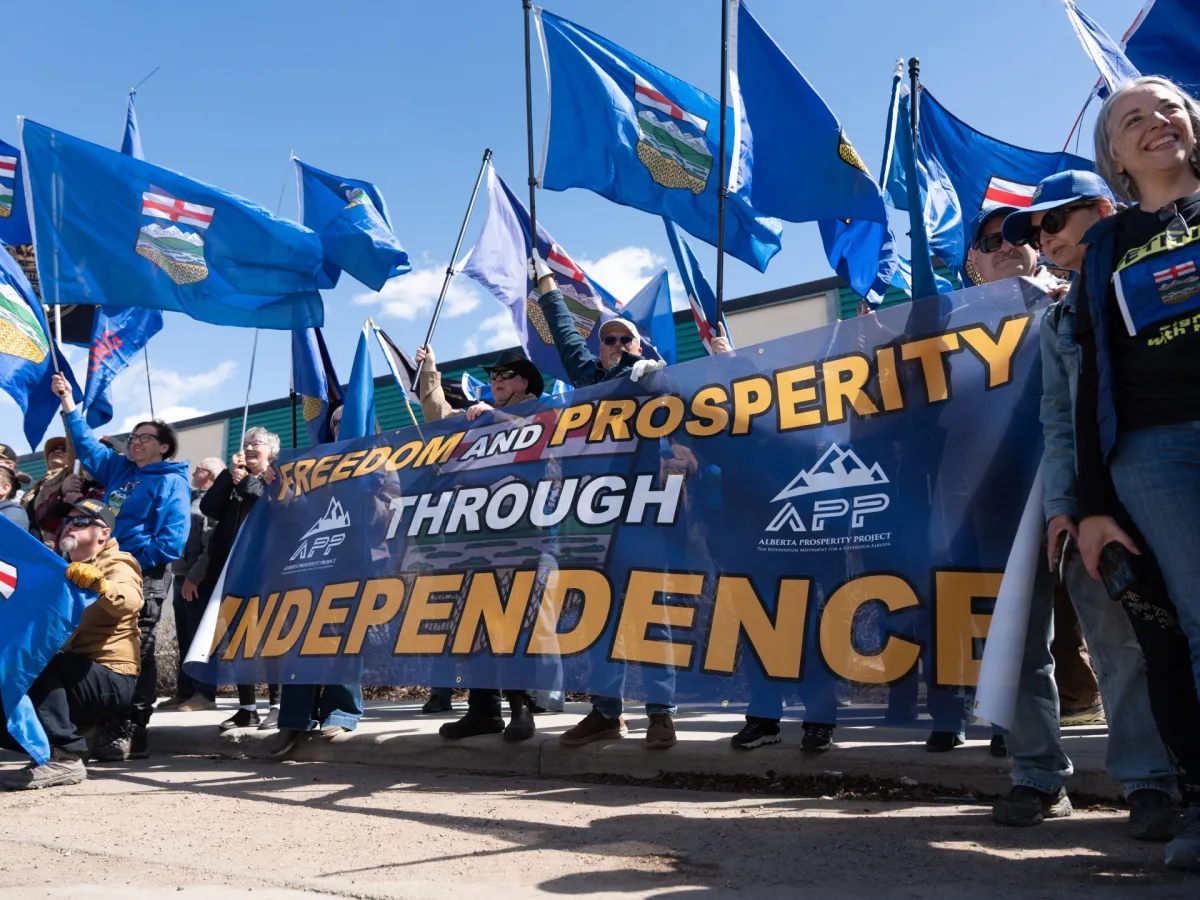
Alberta, a province in western Canada, is on the cusp of a potentially historic moment. The secessionist movement, which has been simmering for years, is gaining momentum, with some predicting an independence referendum as early as October. This movement is driven by a sense of economic and political disenfranchisement, with many Albertans feeling that their province is not being fairly represented in the Canadian government. The Wildrose Independence Party, led by Paul Hinman, is at the forefront of this movement, seeking to address the perceived marginalization of Alberta within Canada. Alberta's economy, driven largely by its vast oil reserves, has long been a source of tension between the province and the federal government.
The roots of this secessionist movement can be traced back to the 1980s, when the National Energy Program (NEP) was introduced by the federal government. The NEP, which aimed to promote Canadian energy self-sufficiency, was seen as a threat to Alberta's oil industry and led to widespread resentment among Albertans. This sentiment has persisted, with many Albertans feeling that their province is not being fairly compensated for its natural resources. The current movement is also driven by a sense of political disillusionment, with some Albertans feeling that their province is not being adequately represented in the Canadian government.

The potential consequences of an independence referendum are far-reaching and complex. If Alberta were to secede from Canada, it would need to establish its own government, economy, and international relationships. This would be a daunting task, requiring significant investment and infrastructure development. Furthermore, the impact on the rest of Canada would be significant, with potential implications for trade, security, and national unity. The Canadian government, led by Prime Minister Justin Trudeau, has thus far been opposed to the idea of Alberta secession, citing the importance of national unity and the need for cooperation between provinces.
The secessionist movement in Alberta is not without its challenges and controversies. Some critics argue that the movement is driven by a narrow, partisan agenda, rather than a genuine desire for independence. Others point out that the economic implications of secession are unclear, and that Alberta may struggle to maintain its current standard of living without the support of the federal government. Yet, despite these challenges, the movement continues to gain momentum, with many Albertans expressing frustration with the current state of affairs and seeking a new path forward.
Key Facts
- Alberta is the fourth-largest province in Canada by population, with approximately 4.3 million people.
- The province is home to vast oil reserves, with the oil and gas industry accounting for a significant portion of its economy.
- The Wildrose Independence Party, led by Paul Hinman, is a key player in the secessionist movement.
- The National Energy Program (NEP) was introduced in the 1980s and is seen as a major factor in the development of the secessionist movement.
- The Canadian government, led by Prime Minister Justin Trudeau, is opposed to the idea of Alberta secession.
History of the Secessionist Movement
The secessionist movement in Alberta has a long and complex history, dating back to the 1980s. The introduction of the National Energy Program (NEP) by the federal government was a major catalyst for the movement, as it was seen as a threat to Alberta's oil industry. Since then, the movement has ebbed and flowed, with periods of increased activity and activism. In recent years, the movement has gained momentum, driven by a sense of economic and political disenfranchisement.

The history of the movement is marked by key events and milestones, including the formation of the Wildrose Independence Party and the election of Paul Hinman as its leader. The party has been instrumental in promoting the secessionist movement, using social media and other platforms to spread its message and build support. Despite facing opposition from the Canadian government and other critics, the movement continues to gain traction, with many Albertans expressing support for the idea of independence.
The historical context of the secessionist movement is also important, as it reflects the complex and often contentious relationship between Alberta and the federal government. The province has long felt marginalized and underrepresented, with many Albertans feeling that their concerns and interests are not being adequately addressed. This sense of disillusionment has contributed to the growth of the secessionist movement, as many Albertans seek a new path forward and a more autonomous future.
Economic Implications
The potential economic implications of an independence referendum in Alberta are significant and far-reaching. If the province were to secede from Canada, it would need to establish its own economy, including its own currency, taxation system, and trade relationships. This would be a complex and challenging task, requiring significant investment and infrastructure development. The impact on the rest of Canada would also be significant, with potential implications for trade, investment, and economic growth.
The oil and gas industry, which is a major driver of Alberta's economy, would be particularly affected by an independence referendum. The industry is heavily integrated with the rest of Canada, and an independent Alberta would need to negotiate new trade relationships and agreements. This could be a difficult and contentious process, with potential implications for the industry's profitability and competitiveness. Furthermore, the economic implications of secession would also be felt by other industries, including agriculture, manufacturing, and services.
The economic implications of an independence referendum would also be felt by individual Albertans, who would need to adapt to a new economic reality. This could include changes to taxation, employment, and social services, as well as potential implications for healthcare, education, and other public services. The impact on Alberta's standard of living would be significant, with potential implications for the province's overall prosperity and well-being.
Political Implications
The potential political implications of an independence referendum in Alberta are also significant and far-reaching. If the province were to secede from Canada, it would need to establish its own government, including its own political institutions, laws, and policies. This would be a complex and challenging task, requiring significant investment and infrastructure development. The impact on the rest of Canada would also be significant, with potential implications for national unity, security, and international relationships.
The Canadian government, led by Prime Minister Justin Trudeau, has thus far been opposed to the idea of Alberta secession, citing the importance of national unity and the need for cooperation between provinces. The government has argued that secession would be a complex and difficult process, with significant implications for the economy, healthcare, and other public services. However, the secessionist movement has continued to gain momentum, with many Albertans expressing frustration with the current state of affairs and seeking a new path forward.
The political implications of an independence referendum would also be felt by other provinces and territories in Canada, which would need to adapt to a new political reality. This could include changes to the country's constitutional framework, as well as potential implications for the balance of power between provinces and the federal government. The impact on Canada's international relationships would also be significant, with potential implications for trade, security, and diplomacy.
Social Implications
The potential social implications of an independence referendum in Alberta are also significant and far-reaching. If the province were to secede from Canada, it would need to establish its own social services, including healthcare, education, and social welfare programs. This would be a complex and challenging task, requiring significant investment and infrastructure development. The impact on Alberta's social fabric would be significant, with potential implications for community cohesion, social mobility, and overall well-being.
The social implications of an independence referendum would also be felt by individual Albertans, who would need to adapt to a new social reality. This could include changes to social services, employment, and community relationships, as well as potential implications for social justice and equality. The impact on Alberta's cultural identity would also be significant, with potential implications for the province's history, language, and traditions.
The secessionist movement in Alberta is not just about politics or economics; it's about identity and a sense of belonging. Many Albertans feel that their province is not being adequately represented in the Canadian government, and that their concerns and interests are not being addressed. This sense of disillusionment has contributed to the growth of the secessionist movement, as many Albertans seek a new path forward and a more autonomous future.
International Implications
The potential international implications of an independence referendum in Alberta are also significant and far-reaching. If the province were to secede from Canada, it would need to establish its own international relationships, including trade agreements, diplomatic relationships, and security arrangements. This would be a complex and challenging task, requiring significant investment and infrastructure development. The impact on Canada's international relationships would also be significant, with potential implications for trade, security, and diplomacy.
The international implications of an independence referendum would also be felt by other countries, which would need to adapt to a new international reality. This could include changes to trade relationships, diplomatic relationships, and security arrangements, as well as potential implications for global governance and international institutions. The impact on global stability and security would also be significant, with potential implications for conflict resolution, humanitarian assistance, and international development.
The international implications of an independence referendum would also be felt by Alberta itself, which would need to navigate a complex and rapidly changing international environment. This could include challenges related to trade, investment, and security, as well as opportunities for growth, development, and cooperation. The province would need to establish its own international identity and reputation, and to build relationships with other countries and international organizations.
Conclusion
The secessionist movement in Alberta is a complex and multifaceted phenomenon, driven by a range of economic, political, and social factors. The potential implications of an independence referendum are far-reaching and significant, with potential implications for Alberta, Canada, and the world. As the movement continues to gain momentum, it is essential to consider the potential consequences and implications of an independence referendum, and to engage in a nuanced and informed discussion about the future of Alberta and its place in the world.
The future of Alberta is uncertain, but one thing is clear: the secessionist movement is not going away anytime soon. As the province continues to navigate its complex and often contentious relationship with the federal government, it is essential to consider the potential implications of an independence referendum, and to engage in a thoughtful and informed discussion about the future of Alberta. The province's economy, politics, and social fabric will all be affected by the outcome of this debate, and it is essential to approach the issue with care, nuance, and sensitivity.
The secessionist movement in Alberta is a reminder that the relationship between provinces and the federal government is complex and multifaceted, and that the interests and concerns of different regions and communities must be taken into account. As Canada continues to evolve and grow, it is essential to consider the potential implications of an independence referendum, and to engage in a nuanced and informed discussion about the future of the country. The outcome of this debate will have significant implications for Alberta, Canada, and the world, and it is essential to approach the issue with care, nuance, and sensitivity.