

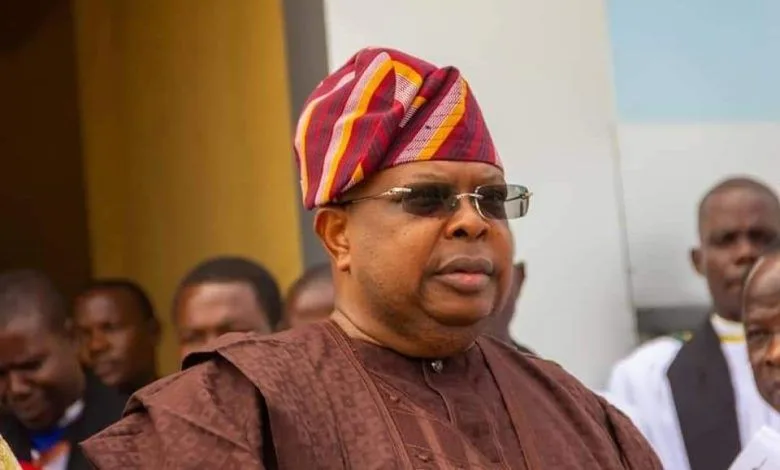
Nigeria's power sector has been a subject of concern for years, with frequent power outages and grid instability affecting businesses and households alike. The latest development in this saga is the clarification by Power Minister-designate Joseph Tegbe that he never promised to fix the power grid in three months. This statement comes as a response to public expectations and misconceptions about his plans for the sector. Tegbe's clarification is significant, as it sets the tone for his tenure and highlights the complexity of the challenges facing the power sector. The power grid in Nigeria is a critical infrastructure that requires careful planning and execution to reform.
The power sector in Nigeria has been plagued by a range of issues, including inadequate generation capacity, transmission bottlenecks, and distribution challenges. These issues have resulted in frequent power outages, affecting economic activity and the overall quality of life. The government has been under pressure to address these challenges, and Tegbe's appointment as Power Minister-designate was seen as a step in the right direction. However, the expectations surrounding his tenure have been high, with some sections of the public expecting quick fixes to the power grid. Tegbe's clarification is an attempt to manage these expectations and provide a more realistic timeline for reforms.
He has outlined a phased reform plan, which takes into account the complexity of the challenges facing the sector.
The phased reform plan outlined by Tegbe is expected to address the various challenges facing the power sector. The plan will focus on increasing generation capacity, improving transmission infrastructure, and enhancing distribution networks. Tegbe has also emphasized the need for private sector participation in the reform process, highlighting the importance of investment in the sector. The plan is expected to be implemented in phases, with each phase building on the previous one to achieve the desired outcomes. The first phase will focus on addressing the most critical challenges, such as transmission bottlenecks and distribution constraints.
The subsequent phases will focus on increasing generation capacity and improving the overall efficiency of the power grid.
The power grid in Nigeria is a complex system that requires careful planning and execution to reform. The grid is made up of several components, including generation plants, transmission lines, and distribution networks. Each of these components plays a critical role in ensuring a stable and reliable power supply. However, the grid has been plagued by a range of issues, including inadequate maintenance, inefficient operations, and lack of investment. These issues have resulted in frequent power outages, affecting economic activity and the overall quality of life.
Tegbe's phased reform plan is expected to address these challenges, providing a more stable and reliable power supply to households and businesses.
Key Facts
- Joseph Tegbe is the Power Minister-designate of Nigeria.
- Tegbe clarified that he never promised to fix the power grid in three months.
- The phased reform plan will focus on increasing generation capacity, improving transmission infrastructure, and enhancing distribution networks.
- The plan will be implemented in phases, with each phase building on the previous one.
- Private sector participation is expected to play a critical role in the reform process.
- The power grid in Nigeria is a complex system that requires careful planning and execution to reform.
- The grid is made up of several components, including generation plants, transmission lines, and distribution networks.
Background to the Power Sector
The power sector in Nigeria has a long history of challenges, dating back to the 1970s. The sector was initially dominated by state-owned enterprises, which were responsible for generation, transmission, and distribution of power. However, the sector was plagued by inefficiencies and lack of investment, resulting in frequent power outages and grid instability. In the 1990s, the government introduced reforms aimed at liberalizing the sector and attracting private investment. However, the reforms were slow to take off, and the sector continued to struggle.
In recent years, the government has intensified efforts to reform the sector, including the appointment of Tegbe as Power Minister-designate.
The power sector in Nigeria is critical to the country's economic development. The sector provides power to households and businesses, supporting economic activity and growth. However, the frequent power outages and grid instability have affected the sector's ability to support economic development. The manufacturing sector, in particular, has been affected, with many businesses relying on alternative sources of power, such as generators. The lack of reliable power supply has also affected the country's ability to attract foreign investment, as investors are often deterred by the uncertainty surrounding the power sector.
The government's efforts to reform the power sector have been welcomed by stakeholders, including businesses and households. The appointment of Tegbe as Power Minister-designate is seen as a positive step, as he is expected to bring his expertise and experience to the sector. However, there are concerns about the ability of the government to implement the reforms, given the complexity of the challenges facing the sector. The government will need to work closely with stakeholders, including private sector operators and civil society organizations, to ensure that the reforms are successful.
Expectations and Misconceptions
The public expectations surrounding Tegbe's tenure as Power Minister-designate have been high, with some sections of the public expecting quick fixes to the power grid. However, Tegbe's clarification that he never promised to fix the power grid in three months is an attempt to manage these expectations. The phased reform plan outlined by Tegbe is expected to provide a more realistic timeline for reforms, taking into account the complexity of the challenges facing the sector. The plan is expected to address the various challenges facing the power sector, including inadequate generation capacity, transmission bottlenecks, and distribution constraints.
The misconceptions surrounding Tegbe's plans for the power sector have been fueled by a lack of information and communication. The government has been criticized for not providing enough information about the reforms, leading to speculation and misinformation. Tegbe's clarification is an attempt to address this issue, providing more information about the phased reform plan and the timeline for implementation. The government will need to continue to communicate effectively with stakeholders, including the public, to ensure that the reforms are successful.
The public expectations surrounding the power sector are not limited to the government's plans for reform. There are also expectations about the role of private sector operators in the sector. The government has emphasized the importance of private sector participation in the reform process, highlighting the need for investment in the sector. However, there are concerns about the ability of private sector operators to deliver on their promises, given the complexity of the challenges facing the sector. The government will need to work closely with private sector operators to ensure that they are able to deliver on their promises.
The Role of Private Sector Operators
The private sector is expected to play a critical role in the reform process, providing investment and expertise to the sector. The government has emphasized the importance of private sector participation, highlighting the need for investment in the sector. However, there are concerns about the ability of private sector operators to deliver on their promises, given the complexity of the challenges facing the sector. The government will need to work closely with private sector operators to ensure that they are able to deliver on their promises.
The private sector operators in the power sector in Nigeria include generation companies, transmission companies, and distribution companies. These companies are responsible for generating, transmitting, and distributing power to households and businesses. However, the sector has been plagued by a range of issues, including inadequate investment, inefficient operations, and lack of regulation. The government has introduced reforms aimed at addressing these challenges, including the introduction of a regulatory framework and the provision of incentives for investment.
The regulatory framework for the power sector in Nigeria is provided by the Nigerian Electricity Regulatory Commission (NERC). NERC is responsible for regulating the sector, ensuring that operators comply with the relevant laws and regulations. The commission has introduced a range of regulations, including those related to pricing, licensing, and safety. However, the regulatory framework has been criticized for being inadequate, with some stakeholders arguing that it does not provide enough protection for consumers.
The Way Forward
The way forward for the power sector in Nigeria is clear: the government needs to work closely with stakeholders, including private sector operators and civil society organizations, to ensure that the reforms are successful. The phased reform plan outlined by Tegbe is expected to provide a more realistic timeline for reforms, taking into account the complexity of the challenges facing the sector. The plan is expected to address the various challenges facing the power sector, including inadequate generation capacity, transmission bottlenecks, and distribution constraints.
The government will need to continue to communicate effectively with stakeholders, including the public, to ensure that the reforms are successful. The public expectations surrounding the power sector are high, and the government will need to manage these expectations carefully. The government will also need to work closely with private sector operators to ensure that they are able to deliver on their promises.
The power sector in Nigeria is a critical component of the country's economic development, and it is imperative that we get it right. We need to work together to ensure that the reforms are successful, and that the sector is able to provide a reliable and efficient power supply to households and businesses.
The power sector in Nigeria has the potential to be a major driver of economic growth and development. However, the sector has been plagued by a range of issues, including inadequate investment, inefficient operations, and lack of regulation. The government's efforts to reform the sector are welcome, and the appointment of Tegbe as Power Minister-designate is a positive step. However, there is still much work to be done to ensure that the reforms are successful.
Conclusion
In conclusion, the power sector in Nigeria is at a critical juncture. The government's efforts to reform the sector are welcome, and the appointment of Tegbe as Power Minister-designate is a positive step. However, there is still much work to be done to ensure that the reforms are successful. The government will need to work closely with stakeholders, including private sector operators and civil society organizations, to ensure that the reforms are successful. The phased reform plan outlined by Tegbe is expected to provide a more realistic timeline for reforms, taking into account the complexity of the challenges facing the sector.
The power sector in Nigeria has the potential to be a major driver of economic growth and development. However, the sector has been plagued by a range of issues, including inadequate investment, inefficient operations, and lack of regulation. The government's efforts to reform the sector are welcome, and the appointment of Tegbe as Power Minister-designate is a positive step. The way forward for the sector is clear: the government needs to work closely with stakeholders to ensure that the reforms are successful.
The power sector in Nigeria is a complex system that requires careful planning and execution to reform. The sector has been plagued by a range of issues, including inadequate investment, inefficient operations, and lack of regulation. However, the government's efforts to reform the sector are welcome, and the appointment of Tegbe as Power Minister-designate is a positive step. The phased reform plan outlined by Tegbe is expected to provide a more realistic timeline for reforms, taking into account the complexity of the challenges facing the sector.
Final Thoughts
The power sector in Nigeria is a critical component of the country's economic development. The sector has the potential to be a major driver of economic growth and development, but it has been plagued by a range of issues. The government's efforts to reform the sector are welcome, and the appointment of Tegbe as Power Minister-designate is a positive step. The way forward for the sector is clear: the government needs to work closely with stakeholders to ensure that the reforms are successful.
The power sector in Nigeria is a complex system that requires careful planning and execution to reform. The sector has been plagued by a range of issues, including inadequate investment, inefficient operations, and lack of regulation. However, the government's efforts to reform the sector are welcome, and the appointment of Tegbe as Power Minister-designate is a positive step. The phased reform plan outlined by Tegbe is expected to provide a more realistic timeline for reforms, taking into account the complexity of the challenges facing the sector.
The government will need to continue to communicate effectively with stakeholders, including the public, to ensure that the reforms are successful. The public expectations surrounding the power sector are high, and the government will need to manage these expectations carefully. The government will also need to work closely with private sector operators to ensure that they are able to deliver on their promises. The power sector in Nigeria has the potential to be a major driver of economic growth and development, and it is imperative that we get it right.