

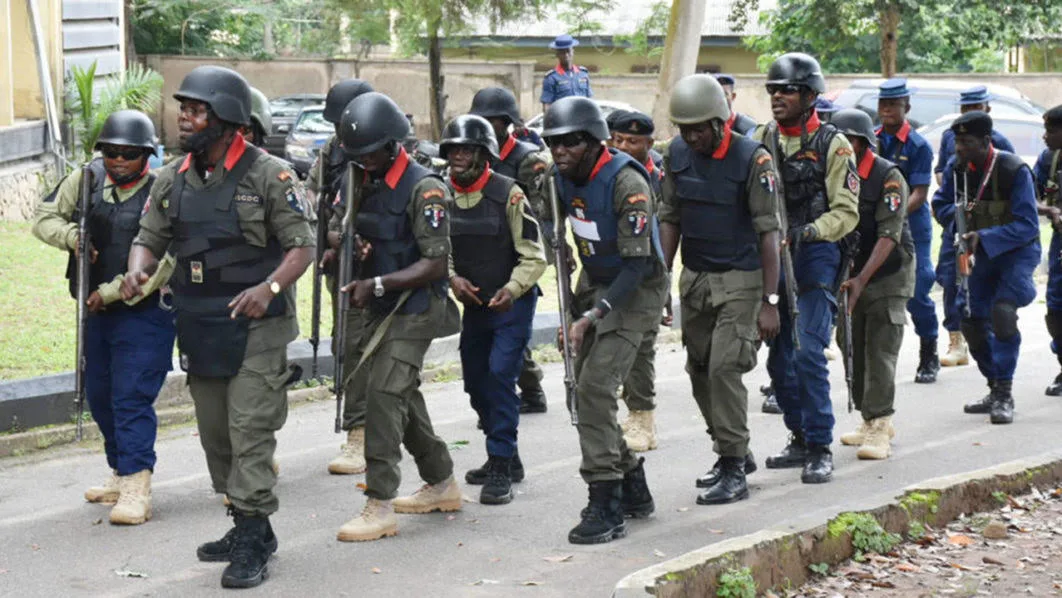
Abuja, the capital city of Nigeria, has been witnessing a rise in security threats in recent years. To address this issue, the Nigeria Security and Civil Defence Corps (NSCDC) FCT Command has been working tirelessly to enhance the security of the city. One of the key steps taken by the NSCDC is to retrain its personnel in weapon handling. Since 2023, the command has retrained 65% of its personnel, with the goal of reaching 85% by 2026.
The retraining program is designed to equip the personnel with the necessary skills to handle weapons effectively and respond to security threats. The training covers various aspects of weapon handling, including the use of firearms, first aid, and emergency response. The personnel are also trained on how to handle different types of weapons and how to respond to various security scenarios.
The NSCDC FCT Command has been working closely with other security agencies to enhance the security of Abuja. The command has also been engaging with the local community to build trust and gather intelligence on potential security threats. The retraining program is part of a broader effort to strengthen the capacity of the NSCDC to respond to security threats and protect the citizens of Abuja.
The rise in security threats in Abuja has been a major concern for the government and the citizens. The city has witnessed several incidents of armed robbery, kidnapping, and terrorism in recent years. The government has been working to address these threats by increasing the presence of security personnel and improving the capacity of the security agencies.
Key Facts
- The NSCDC FCT Command has retrained 65% of its personnel in weapon handling since 2023.
- The command aims to retrain 85% of its personnel by 2026.
- The retraining program covers various aspects of weapon handling, including the use of firearms, first aid, and emergency response.
- The personnel are trained on how to handle different types of weapons and how to respond to various security scenarios.
- The NSCDC FCT Command has been working closely with other security agencies to enhance the security of Abuja.
- The command has been engaging with the local community to build trust and gather intelligence on potential security threats.
Background
The NSCDC is a paramilitary agency responsible for protecting the citizens of Nigeria and maintaining law and order. The agency was established in 2003 and has been working closely with other security agencies to enhance the security of the country. The NSCDC FCT Command is one of the most important commands in the agency, as it is responsible for securing the capital city of Abuja.
The NSCDC FCT Command has been facing several challenges in recent years, including a rise in security threats and a shortage of personnel. The command has been working to address these challenges by recruiting new personnel and retraining existing ones. The retraining program is part of a broader effort to strengthen the capacity of the NSCDC to respond to security threats and protect the citizens of Abuja.
The NSCDC FCT Command has been working closely with other security agencies, including the Nigerian Army and the Nigerian Police, to enhance the security of Abuja. The command has also been engaging with the local community to build trust and gather intelligence on potential security threats. The command's efforts have been yielding positive results, as the city has witnessed a decrease in security threats in recent months.
The Importance of Retraining
The retraining program is crucial for the personnel to effectively handle weapons and respond to security threats. The training covers various aspects of weapon handling, including the use of firearms, first aid, and emergency response. The personnel are also trained on how to handle different types of weapons and how to respond to various security scenarios.
The retraining program is also important for building the confidence of the personnel. When personnel are well-trained and confident, they are more likely to respond effectively to security threats. The retraining program has been designed to equip the personnel with the necessary skills to handle weapons effectively and respond to security threats.
The NSCDC FCT Command has been working to ensure that the retraining program is effective and efficient. The command has been using various methods to evaluate the effectiveness of the program, including simulations and field exercises. The command has also been seeking feedback from the personnel to identify areas for improvement.
The Role of the NSCDC
The NSCDC plays a crucial role in maintaining law and order in Nigeria. The agency is responsible for protecting the citizens of Nigeria and maintaining law and order. The NSCDC FCT Command is one of the most important commands in the agency, as it is responsible for securing the capital city of Abuja.
The NSCDC has been working closely with other security agencies to enhance the security of Nigeria. The agency has been engaging with the local community to build trust and gather intelligence on potential security threats. The NSCDC has also been working to address various security challenges, including a rise in security threats and a shortage of personnel.
The NSCDC is committed to protecting the citizens of Nigeria and maintaining law and order. We are working tirelessly to enhance the security of Abuja and other parts of the country. We are also working to build the capacity of our personnel to respond to security threats and protect the citizens of Nigeria.
The Future of Security in Abuja
The future of security in Abuja looks promising, thanks to the efforts of the NSCDC FCT Command and other security agencies. The command's retraining program has been yielding positive results, as the city has witnessed a decrease in security threats in recent months.
The NSCDC FCT Command is committed to continuing its efforts to enhance the security of Abuja. The command is working to recruit new personnel and retrain existing ones to strengthen its capacity to respond to security threats. The command is also working to engage with the local community to build trust and gather intelligence on potential security threats.
The government of Nigeria has also been working to address the security challenges facing the country. The government has been increasing the budget for security agencies and working to improve the capacity of the agencies to respond to security threats. The government has also been working to address the root causes of insecurity, including poverty and unemployment.
Conclusion
The NSCDC FCT Command's retraining program is a step in the right direction to enhance the security of Abuja. The program has been yielding positive results, as the city has witnessed a decrease in security threats in recent months. The command's efforts to build the capacity of its personnel to respond to security threats and protect the citizens of Abuja are commendable.
The NSCDC FCT Command's retraining program is also a testament to the agency's commitment to protecting the citizens of Nigeria and maintaining law and order. The agency's efforts to work closely with other security agencies and engage with the local community to build trust and gather intelligence on potential security threats are crucial to enhancing the security of Abuja.
The future of security in Abuja looks promising, thanks to the efforts of the NSCDC FCT Command and other security agencies. The command's retraining program and other efforts to enhance the security of Abuja are yielding positive results, and the city is becoming a safer place for its citizens.