

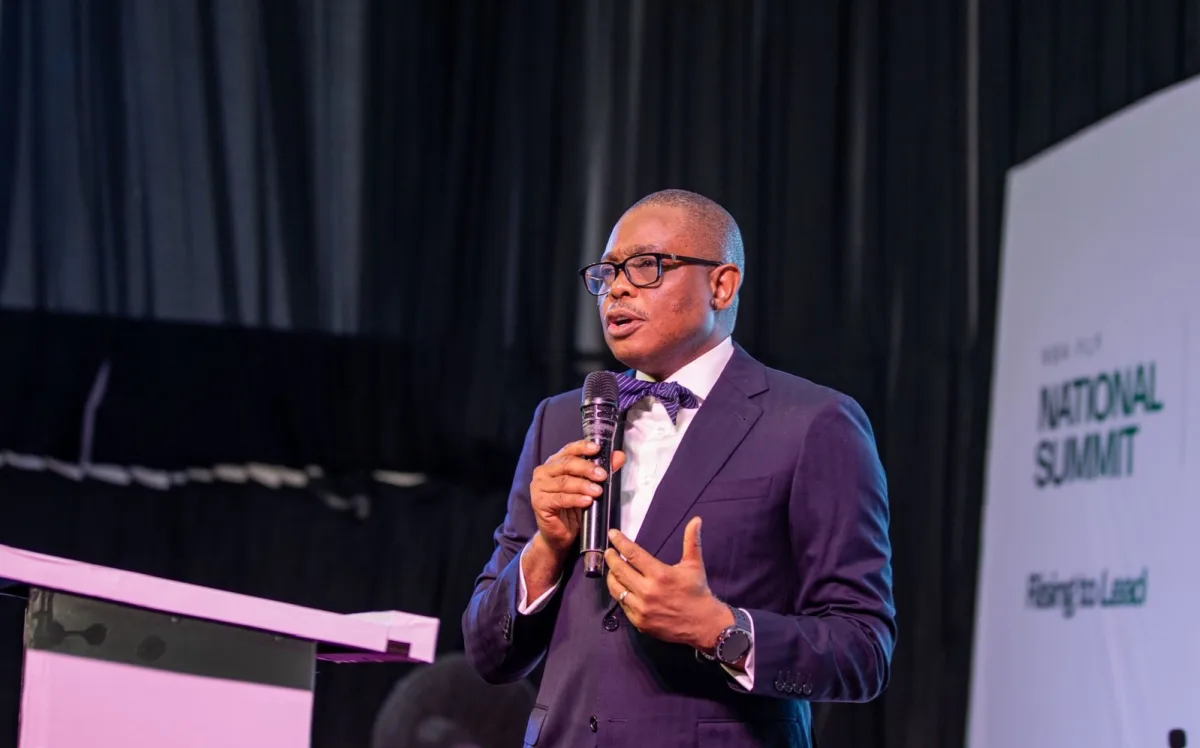
The Nigerian Bar Association, a professional body of lawyers in Nigeria, has taken a strong stance against the criminalisation of civil disputes. This move is seen as crucial in protecting the fundamental rights of citizens, including personal liberty, freedom of expression, and the right to a fair hearing. The NBA's condemnation comes at a time when there's a growing concern about the erosion of these rights in the country. The association's statement underscores the need for a balanced approach to justice, one that doesn't undermine the principles of democracy. It's a call to action, urging the legal system to differentiate between criminal and civil matters, ensuring that the latter are not treated with the same severity as the former.
The NBA's position is rooted in the understanding that criminalising civil disputes can lead to an abuse of power, where individuals or groups might use the law to silence their opponents or critics. This can have a chilling effect on free speech and public discourse, essential components of a healthy democracy. By speaking out against this practice, the NBA is advocating for a legal environment that fosters open discussion and the exchange of ideas, without the fear of unjust persecution. This is particularly important in a country like Nigeria, where the rule of law is fundamental to its stability and development.
The context of the NBA's condemnation is significant, given the recent trends in Nigeria where civil disputes have sometimes been criminalised, leading to concerns about the misuse of the legal system. This has implications not just for individuals but for the broader society, affecting how people engage with each other and with the government. The association's stance reflects a deeper commitment to the principles of justice and the protection of human rights. It's a reminder that the legal system should serve to uphold these principles, rather than undermine them.
The NBA's statement also highlights the importance of a robust and independent judiciary, capable of distinguishing between criminal and civil matters. This distinction is crucial for ensuring that the legal system is used to promote justice, rather than to suppress dissent or opposition. As Nigeria continues to navigate its complex legal and political landscape, the NBA's condemnation of the criminalisation of civil disputes serves as a timely reminder of the need to protect and uphold the constitutional rights of all citizens.
Key Facts
- The Nigerian Bar Association (NBA) has condemned the criminalisation of civil disputes.
- This includes the criminalisation of defamation.
- The NBA believes this practice threatens constitutional rights such as personal liberty, freedom of expression, and fair hearing.
- The association's statement is a call to action for the legal system to differentiate between criminal and civil matters.
- The NBA is advocating for a legal environment that fosters open discussion and the exchange of ideas without fear of unjust persecution.
- The practice of criminalising civil disputes can lead to an abuse of power and a chilling effect on free speech.
- Nigeria's legal system is fundamental to its stability and development.
- The rule of law is essential for protecting human rights and promoting justice.
Background to the NBA's Stance
The Nigerian Bar Association's condemnation of the criminalisation of civil disputes is not an isolated incident but rather part of a broader effort to protect and promote the rule of law in Nigeria. The association has a long history of advocating for justice and human rights, often finding itself at the forefront of legal battles against practices that undermine democracy and constitutional rights. This background of advocacy provides context to the NBA's current stance, highlighting the association's commitment to upholding the principles of justice and fairness in the legal system.
The NBA's actions are also influenced by the country's legal framework, which includes provisions for the protection of fundamental rights. However, the implementation of these provisions can sometimes be challenging, with instances where the legal system is used to suppress rather than protect these rights. The association's stance, therefore, is a reminder of the importance of adhering to these principles and ensuring that the legal system serves the purpose of promoting justice and protecting human rights.
The significance of the NBA's condemnation extends beyond the legal community, as it reflects a broader societal concern about the state of justice and human rights in Nigeria. It's a call to action not just for legal professionals but for all citizens who value democracy and the principles of fairness and justice. By speaking out against the criminalisation of civil disputes, the NBA is contributing to a national conversation about the kind of legal system Nigeria should have and the values it should uphold.
The Impact on Freedom of Expression
The criminalisation of defamation and other civil disputes can have a particularly chilling effect on freedom of expression in Nigeria. This is because the threat of criminal prosecution can deter individuals from speaking out on important issues, fearing that they might be targeted for their views. The NBA's condemnation of this practice is, therefore, a significant step in protecting freedom of expression, a fundamental right that is essential for a vibrant democracy.
Freedom of expression is crucial for public discourse, allowing citizens to engage with each other and with their government on matters of public interest. When this right is undermined, the consequences can be far-reaching, affecting not just individuals but the health of democracy itself. The NBA's stance on this issue reflects an understanding of the importance of protecting this right and ensuring that citizens can express their views without fear of persecution.
The implications of the NBA's position on freedom of expression are significant, suggesting a need for a legal framework that balances the right to protection of one's reputation with the right to freedom of expression. This balance is crucial for ensuring that the legal system does not become a tool for suppressing dissent or opposition, but rather a mechanism for promoting open and inclusive public discourse.
The Role of the Judiciary
The NBA's condemnation of the criminalisation of civil disputes also underscores the critical role of the judiciary in upholding the rule of law and protecting constitutional rights. An independent and robust judiciary is essential for distinguishing between criminal and civil matters, ensuring that each is treated according to its nature. This distinction is vital for preventing the misuse of the legal system and for promoting justice and fairness.
The judiciary's role in Nigeria's legal system is multifaceted, involving not just the interpretation of laws but also the protection of fundamental rights. By ensuring that the legal system is used to promote justice rather than to suppress rights, the judiciary can play a pivotal role in strengthening democracy and protecting human rights. The NBA's stance on the criminalisation of civil disputes serves as a reminder of the judiciary's responsibility in this regard.
The independence of the judiciary is crucial for its ability to perform this role effectively. When the judiciary is independent, it can make decisions based on the law, without fear of external influence or pressure. This independence is essential for upholding the rule of law and for ensuring that the legal system serves the interests of justice and fairness, rather than the interests of those in power.
The Way Forward
The NBA's condemnation of the criminalisation of civil disputes is a significant step towards promoting justice and protecting human rights in Nigeria. However, it is also a call to action, requiring a concerted effort from all stakeholders to ensure that the legal system is used to promote these values. This involves not just the legal community but also civil society, the media, and citizens at large, all of whom have a role to play in advocating for a legal system that upholds the principles of fairness and justice.
The legal system should be a mechanism for promoting justice and protecting human rights, not a tool for suppressing dissent or opposition. As such, it's essential that all stakeholders work together to ensure that the criminalisation of civil disputes is addressed, and that the legal system is used to foster a culture of openness, inclusivity, and respect for human rights.
The way forward involves a combination of legal, political, and social actions. Legally, there's a need for reforms that clarify the distinction between criminal and civil matters, ensuring that each is treated appropriately. Politically, there's a need for a commitment from leaders to uphold the rule of law and protect human rights. Socially, there's a need for awareness and advocacy, to ensure that citizens understand their rights and can demand that these rights be respected.
Conclusion
The Nigerian Bar Association's condemnation of the criminalisation of civil disputes is a significant development in Nigeria's legal landscape. It reflects a commitment to upholding the principles of justice, fairness, and human rights, and serves as a call to action for all stakeholders to work towards a legal system that promotes these values. As Nigeria continues to navigate its complex legal and political challenges, the NBA's stance on this issue provides a beacon of hope for a future where the legal system is used to protect and promote the rights of all citizens, rather than to suppress them.
The implications of the NBA's position are far-reaching, suggesting a need for a comprehensive approach to legal reform, one that involves not just legal professionals but all sectors of society. By working together, Nigerians can build a legal system that is just, fair, and protective of human rights, a system that serves as a foundation for a strong, stable, and democratic society.
The NBA's condemnation of the criminalisation of civil disputes is, therefore, not just a statement of principle but a blueprint for action, a call to all Nigerians to join in the effort to build a better legal system, one that promotes justice, fairness, and human rights for all. It's a challenge that requires commitment, perseverance, and a collective effort, but one that is essential for the future of democracy and human rights in Nigeria.
Final Thoughts
As the NBA's condemnation of the criminalisation of civil disputes continues to resonate across Nigeria, it's clear that this issue is not just a legal matter but a societal one. It reflects deeper concerns about the state of democracy, human rights, and the rule of law in the country. The NBA's stance, therefore, is not just a professional opinion but a reflection of the values that underpin a democratic society.
The journey towards a legal system that upholds these values will not be easy, and it will require the effort of all stakeholders. However, the NBA's condemnation of the criminalisation of civil disputes is a significant step in the right direction, a step that reflects a commitment to justice, fairness, and human rights. As Nigeria moves forward, it's essential that this commitment is sustained, and that all efforts are made to ensure that the legal system serves the interests of justice and fairness, rather than the interests of those in power.
The NBA's position on this issue is a testament to the power of professional associations in promoting justice and human rights. By speaking out against practices that undermine these values, the NBA is fulfilling its role as a guardian of the legal system, ensuring that it serves the interests of all citizens, rather than just a few. This role is crucial, not just for the legal community but for society at large, as it helps to promote a culture of respect for human rights and the rule of law.
Looking Ahead
As Nigeria looks to the future, the issue of the criminalisation of civil disputes will likely remain a significant challenge. However, with the NBA's condemnation of this practice, there's a sense of hope that the country can move towards a legal system that is more just, fair, and protective of human rights. This will require ongoing advocacy, legal reforms, and a commitment from all stakeholders to uphold the principles of democracy and the rule of law.
The road ahead will not be without its challenges, but the NBA's stance on this issue provides a foundation for moving forward. It's a reminder that the legal system should serve the interests of justice and fairness, rather than the interests of those in power. By working together, Nigerians can build a legal system that promotes these values, a system that will serve as a cornerstone of a strong, stable, and democratic society.
The future of democracy and human rights in Nigeria depends on the ability of all stakeholders to work together towards a common goal. The NBA's condemnation of the criminalisation of civil disputes is a significant step in this direction, a step that reflects a commitment to justice, fairness, and human rights. As the country moves forward, it's essential that this commitment is sustained, and that all efforts are made to ensure that the legal system serves the interests of all citizens, rather than just a few.
The Broader Implications
The NBA's condemnation of the criminalisation of civil disputes has broader implications that extend beyond Nigeria's borders. It reflects a global concern about the erosion of human rights and the rule of law, and the need for professional associations and civil society to speak out against practices that undermine these values. This is particularly important in countries where democracy is still evolving, and where the legal system plays a critical role in promoting justice and fairness.
The NBA's stance on this issue is, therefore, not just a national concern but an international one. It reflects a commitment to the principles of democracy and human rights, principles that are universal and apply to all societies. By speaking out against the criminalisation of civil disputes, the NBA is contributing to a global conversation about the importance of upholding these principles, and the need for legal systems that promote justice, fairness, and human rights.
The international community has a role to play in supporting countries like Nigeria, where the legal system is still evolving. This involves providing technical assistance, promoting legal reforms, and advocating for human rights. The NBA's condemnation of the criminalisation of civil disputes is a call to action for the international community, a reminder that the promotion of justice and human rights is a global responsibility.
The Role of Civil Society
Civil society plays a critical role in promoting justice and human rights in Nigeria. This involves not just advocating for legal reforms but also providing support to individuals and communities affected by the criminalisation of civil disputes. The NBA's condemnation of this practice is, therefore, a call to action for civil society, a reminder of the need for ongoing advocacy and support.
Civil society organisations can work closely with the NBA and other stakeholders to promote a legal system that is just, fair, and protective of human rights. This involves engaging in public awareness campaigns, providing legal assistance to those in need, and advocating for policy reforms that promote justice and fairness. By working together, civil society and the legal community can make a significant difference in promoting human rights and the rule of law in Nigeria.
The role of civil society in promoting justice and human rights is not limited to Nigeria but applies to all countries. This involves speaking out against practices that undermine human rights, advocating for legal reforms, and providing support to individuals and communities affected by these practices. The NBA's condemnation of the criminalisation of civil disputes is, therefore, a reminder of the critical role that civil society plays in promoting justice and human rights globally.