

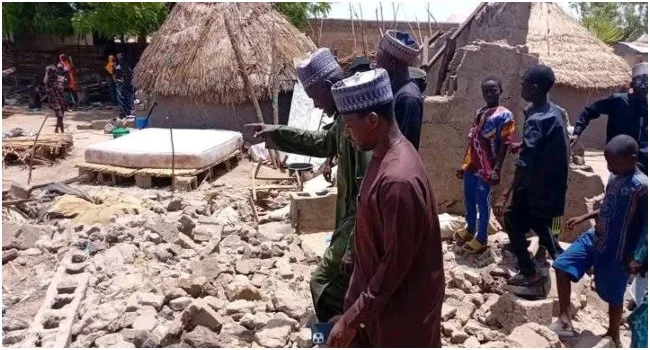
A powerful windstorm swept through communities in Kebbi, Nigeria, on May 8, 2026, leaving a trail of destruction in its wake. The storm, which was reported to have been intense, destroyed numerous houses and food storage facilities, leaving many residents without shelter or access to basic necessities. According to eyewitnesses, the storm was fierce, with strong winds that uprooted trees and destroyed buildings. Despite the extensive damage, residents confirmed that no lives were lost in the incident, which is a significant relief. The affected communities are now struggling to come to terms with the aftermath of the storm, with many residents left to pick up the pieces and rebuild their lives.
The windstorm in Kebbi is a stark reminder of the vulnerability of communities in Nigeria to natural disasters. The country is prone to various types of natural disasters, including floods, droughts, and windstorms, which can have devastating effects on communities. The government and humanitarian organizations have a critical role to play in providing support and assistance to affected communities, including providing shelter, food, and other essential necessities. In the aftermath of the storm, it is essential that the relevant authorities take immediate action to assess the damage and provide adequate support to those affected. This includes providing emergency shelter, food, and medical care to those in need.
The impact of the windstorm on the communities in Kebbi cannot be overstated. Many residents have lost their homes and livelihoods, and are now struggling to survive. The destruction of food storage facilities has also raised concerns about food security, with many residents at risk of going hungry. The storm has also disrupted essential services, including healthcare and education, which will have long-term consequences for the affected communities. It is essential that the government and humanitarian organizations take a coordinated approach to respond to the crisis, including providing immediate relief and support to those affected.
The windstorm in Kebbi has also highlighted the need for disaster preparedness and mitigation measures in Nigeria. The country needs to invest in early warning systems, emergency response plans, and infrastructure that can withstand natural disasters. This includes building stronger homes, schools, and hospitals, as well as implementing measures to reduce the risk of flooding and other disasters. By taking proactive steps to prepare for and mitigate the effects of natural disasters, Nigeria can reduce the risk of devastating incidents like the windstorm in Kebbi.
Key Facts
- The windstorm occurred on May 8, 2026, in Kebbi, Nigeria.
- No lives were lost in the incident.
- The storm destroyed numerous houses and food storage facilities.
- Many residents have been left without shelter or access to basic necessities.
- The government and humanitarian organizations are providing support and assistance to affected communities.
- The storm has disrupted essential services, including healthcare and education.
- The destruction of food storage facilities has raised concerns about food security.
Background
The windstorm in Kebbi is not an isolated incident. Nigeria has experienced several natural disasters in recent years, including floods, droughts, and windstorms. The country's geography and climate make it prone to these types of disasters, which can have devastating effects on communities. The government and humanitarian organizations have a critical role to play in providing support and assistance to affected communities, including providing shelter, food, and other essential necessities. In the aftermath of the storm, it is essential that the relevant authorities take immediate action to assess the damage and provide adequate support to those affected.
The government of Nigeria has taken steps to address the issue of natural disasters, including establishing the National Emergency Management Agency (NEMA). NEMA is responsible for coordinating disaster response efforts, including providing emergency shelter, food, and medical care to those affected. However, more needs to be done to address the root causes of natural disasters, including investing in early warning systems and emergency response plans. By taking proactive steps to prepare for and mitigate the effects of natural disasters, Nigeria can reduce the risk of devastating incidents like the windstorm in Kebbi.
Nigeria's vulnerability to natural disasters is also exacerbated by factors such as poverty, lack of infrastructure, and climate change. Many communities in Nigeria lack access to basic necessities, including shelter, food, and healthcare, which makes them more vulnerable to the effects of natural disasters. Climate change has also increased the frequency and severity of natural disasters, including floods, droughts, and windstorms. It is essential that the government and humanitarian organizations take a coordinated approach to address these underlying factors, including investing in poverty reduction programs, infrastructure development, and climate change mitigation measures.
Response Efforts
The response efforts to the windstorm in Kebbi have been led by the government of Nigeria, with support from humanitarian organizations. The government has established a relief committee to coordinate response efforts, including providing emergency shelter, food, and medical care to those affected. Humanitarian organizations, including the Red Cross and non-governmental organizations, have also provided support and assistance to affected communities. The response efforts have been hampered by challenges such as lack of access to affected areas, limited resources, and inadequate infrastructure.
Despite these challenges, the response efforts have made significant progress in providing support and assistance to affected communities. The government and humanitarian organizations have provided emergency shelter, food, and medical care to those affected, which has helped to alleviate the suffering of affected communities. The response efforts have also included measures to prevent the outbreak of diseases, such as cholera and malaria, which are common in the aftermath of natural disasters. It is essential that the response efforts continue to be coordinated and effective, including providing long-term support and assistance to affected communities.
The windstorm in Kebbi is a stark reminder of the vulnerability of communities in Nigeria to natural disasters. We need to take proactive steps to prepare for and mitigate the effects of these disasters, including investing in early warning systems and emergency response plans. We also need to address the underlying factors that exacerbate the effects of natural disasters, including poverty, lack of infrastructure, and climate change. By working together, we can reduce the risk of devastating incidents like the windstorm in Kebbi and build more resilient communities.
Long-term Consequences
The windstorm in Kebbi will have long-term consequences for the affected communities, including the destruction of livelihoods and the disruption of essential services. Many residents have lost their homes and livelihoods, and are now struggling to survive. The destruction of food storage facilities has also raised concerns about food security, with many residents at risk of going hungry. The storm has also disrupted essential services, including healthcare and education, which will have long-term consequences for the affected communities.
The long-term consequences of the windstorm will also depend on the effectiveness of the response efforts. If the response efforts are coordinated and effective, they can help to alleviate the suffering of affected communities and reduce the risk of long-term consequences. However, if the response efforts are inadequate or ineffective, they can exacerbate the suffering of affected communities and increase the risk of long-term consequences. It is essential that the government and humanitarian organizations take a coordinated approach to respond to the crisis, including providing immediate relief and support to those affected.
The windstorm in Kebbi has also highlighted the need for disaster preparedness and mitigation measures in Nigeria. The country needs to invest in early warning systems, emergency response plans, and infrastructure that can withstand natural disasters. This includes building stronger homes, schools, and hospitals, as well as implementing measures to reduce the risk of flooding and other disasters. By taking proactive steps to prepare for and mitigate the effects of natural disasters, Nigeria can reduce the risk of devastating incidents like the windstorm in Kebbi and build more resilient communities.
International Response
The international community has responded to the windstorm in Kebbi, with many countries and organizations offering support and assistance to affected communities. The United Nations has provided emergency funding to support response efforts, while non-governmental organizations have provided humanitarian aid, including food, shelter, and medical care. The international community has also offered technical assistance, including expertise in disaster response and recovery.
The international response to the windstorm in Kebbi has been significant, with many countries and organizations providing support and assistance to affected communities. However, more needs to be done to address the root causes of natural disasters, including investing in early warning systems and emergency response plans. The international community can play a critical role in supporting Nigeria's efforts to prepare for and mitigate the effects of natural disasters, including providing technical assistance and funding for disaster preparedness and mitigation measures.
The windstorm in Kebbi has also highlighted the need for global cooperation and coordination in responding to natural disasters. The international community needs to work together to provide support and assistance to affected communities, including sharing expertise and resources. By working together, we can reduce the risk of devastating incidents like the windstorm in Kebbi and build more resilient communities.
Conclusion
The windstorm in Kebbi is a stark reminder of the vulnerability of communities in Nigeria to natural disasters. The storm has destroyed houses and food storage facilities, leaving many residents without shelter or access to basic necessities. The government and humanitarian organizations have responded to the crisis, providing emergency shelter, food, and medical care to those affected. However, more needs to be done to address the root causes of natural disasters, including investing in early warning systems and emergency response plans. By taking proactive steps to prepare for and mitigate the effects of natural disasters, Nigeria can reduce the risk of devastating incidents like the windstorm in Kebbi and build more resilient communities.
The windstorm in Kebbi has also highlighted the need for disaster preparedness and mitigation measures in Nigeria. The country needs to invest in early warning systems, emergency response plans, and infrastructure that can withstand natural disasters. This includes building stronger homes, schools, and hospitals, as well as implementing measures to reduce the risk of flooding and other disasters. By taking proactive steps to prepare for and mitigate the effects of natural disasters, Nigeria can reduce the risk of devastating incidents like the windstorm in Kebbi and build more resilient communities.
The international community has a critical role to play in supporting Nigeria's efforts to prepare for and mitigate the effects of natural disasters. The international community can provide technical assistance, funding, and expertise to support disaster preparedness and mitigation measures. By working together, we can reduce the risk of devastating incidents like the windstorm in Kebbi and build more resilient communities. The windstorm in Kebbi is a wake-up call for Nigeria and the international community to take proactive steps to prepare for and mitigate the effects of natural disasters.