

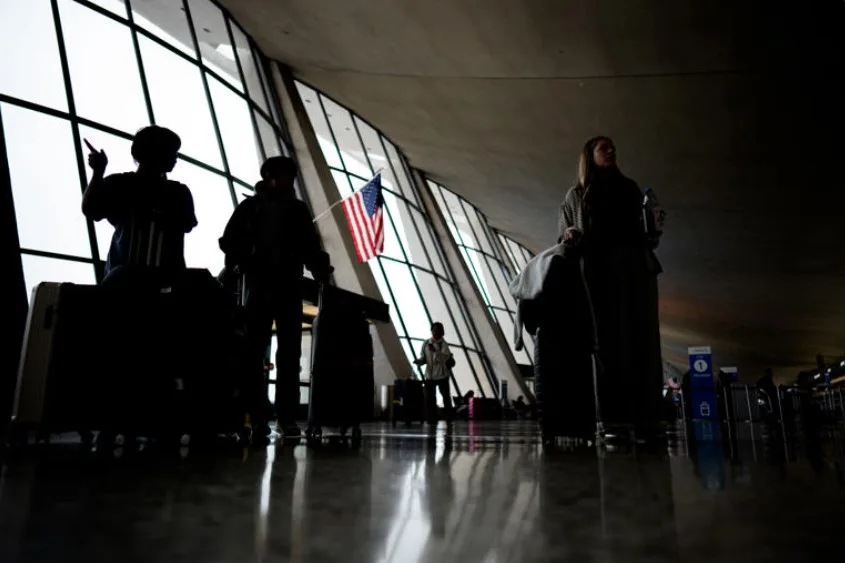
Anabella Gyasi arrived at Washington Dulles International Airport on May 19, carrying high hopes and the necessary paperwork for her four-year-old son to receive treatment for a hand deformity. What should’ve been a standard trip to Akron Children’s Hospital in Ohio turned into a nightmare that’s lasted over a week. She now finds herself stuck in a windowless holding area, trading her son’s medical care for a struggle against U.S. immigration policy.
Everything changed when border officers put the mother on the spot. They asked if she feared returning home to Ghana. When she spoke the truth—that her son’s disability left them vulnerable—the situation shifted instantly. Customs and Border Protection (CBP) officers decided to treat her as an asylum seeker. This classification triggered a move to cancel her valid tourist visa on the spot.
"Ms. Gyasi secured the necessary visas for her son’s medical appointment, and by detaining them in dangerous conditions anyway, CBP is breaking the law and putting the Trump administration’s cruel anti-immigrant agenda before basic human dignity and the Constitution."
Eden Heilman, the legal director for the Virginia branch of the American Civil Liberties Union (ACLU), highlights the absurdity of the trap. If the mother had simply kept quiet about her son's needs, they’d likely be in Ohio by now. A recent directive from the U.S. State Department now instructs embassies to aggressively grill visa applicants about their fears. This policy frequently blocks travel for those who admit to needing protection.
Inside their makeshift cell, conditions aren't comfortable. The pair is being held in a re-purposed work area, squeezed into a small room with only a single bed, a toilet, and a sink. The physical toll on the 38-year-old has been severe. She has already been taken to a hospital twice since her arrival, as her pregnancy continues to suffer under the strain of detention.
Reports from the ACLU suggest the situation is dire for both mother and child. Doctors at a nearby hospital recently raised alarms about her nutritional intake, noting she wasn't being fed enough to support her pregnancy. By Monday, the stress was so intense that she suffered from vaginal bleeding, landing her back in medical care. This cycle of detention and hospital visits has left her advocates fuming about the lack of basic humanity in the treatment of a vulnerable, pregnant woman.
To escape the misery of the holding cell, the mother initially agreed to be deported. She believed that returning home was safer for her unborn child than staying in a facility that seemed ill-equipped to support her condition. Once she signed the papers to leave, CBP officials allowed her to shower and requested better food for her. These rapid adjustments demonstrate the arbitrary nature of administrative enforcement when detainees waive their rights.
She changed her mind on Monday, choosing to fight for her son's right to care. The legal team at the ACLU filed an emergency petition in the U.S. District Court for the Eastern District of Virginia, demanding their immediate release so they can get to Ohio. A judge has ordered federal officials to explain the legal basis for their continued detention by 9 a.m. Thursday.
The Department of Homeland Security maintains that detainees receive appropriate care and food. However, the reality on the ground contradicts that claim according to the legal filings. Thousands of immigrants often buckle under the weight of these long, draining waits and choose to self-deport just to escape the system. This mother is now caught between two impossible choices: the health of her unborn baby or the future of her toddler’s hands.