

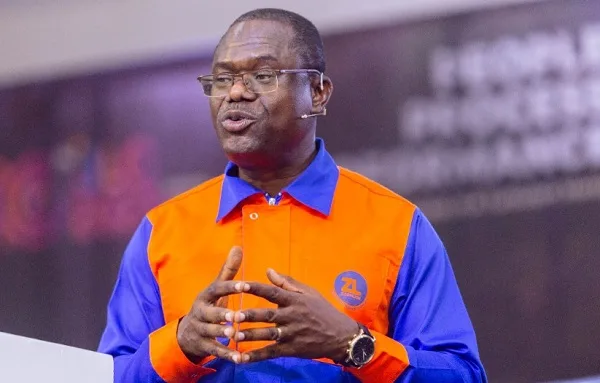
The Attorney General (AG) has officially filed a lawsuit against JA Plant Pool and its executive chairman, Joseph Siaw Agyepong, seeking the recovery of $2 million allegedly overpaid to the firm. This legal move comes as the state tightens its net on various contracts under the District Road Improvement Programme (DRIP), a scheme designed to fix roads across the nation's districts. Court records indicate the government is moving to reclaim public funds it believes were paid out in error or excess during the implementation of these road projects.
The District Road Improvement Programme was launched with the goal of tackling the poor state of district-level infrastructure. This infrastructure has long been a headache for commuters and farmers moving goods from rural areas to markets in cities like Accra and Kumasi. JA Plant Pool, a company known for supplying heavy-duty equipment for various government projects, became a key partner in this initiative. The current legal tussle focuses on whether the invoices submitted and subsequently paid by the state matched the actual value of services or equipment delivered by the company. The outcome of this case could set a precedent for how future government contracts are audited before payments are finalized.
Joseph Siaw Agyepong is a central figure in the local construction and waste management sectors, having built a vast business conglomerate over the years. His companies have frequently been at the center of large-scale state infrastructure projects, often attracting intense scrutiny from civil society groups regarding the transparency of public procurement. This latest lawsuit isn't his first time in the spotlight, but the specific claim of a $2 million overpayment places this matter firmly in the hands of the judiciary. For many citizens, the case highlights the tension between private contractors and the state over the management of the national purse.
The AG’s decision to head to court implies that administrative efforts to recover these funds might have hit a wall, forcing the state to seek a judicial order. If the court finds in favor of the government, JA Plant Pool would be required to refund the excess payment. This could impact the company's balance sheet and operational capacity for future government bids. The legal process is expected to examine the specific contract terms under DRIP and reconcile them against the actual equipment deployed to the various districts. Stakeholders in the transport and infrastructure sectors will be watching closely to see how the court balances the interests of the state against the contractual rights of a major private service provider.