
The Turnaround at the GIPC
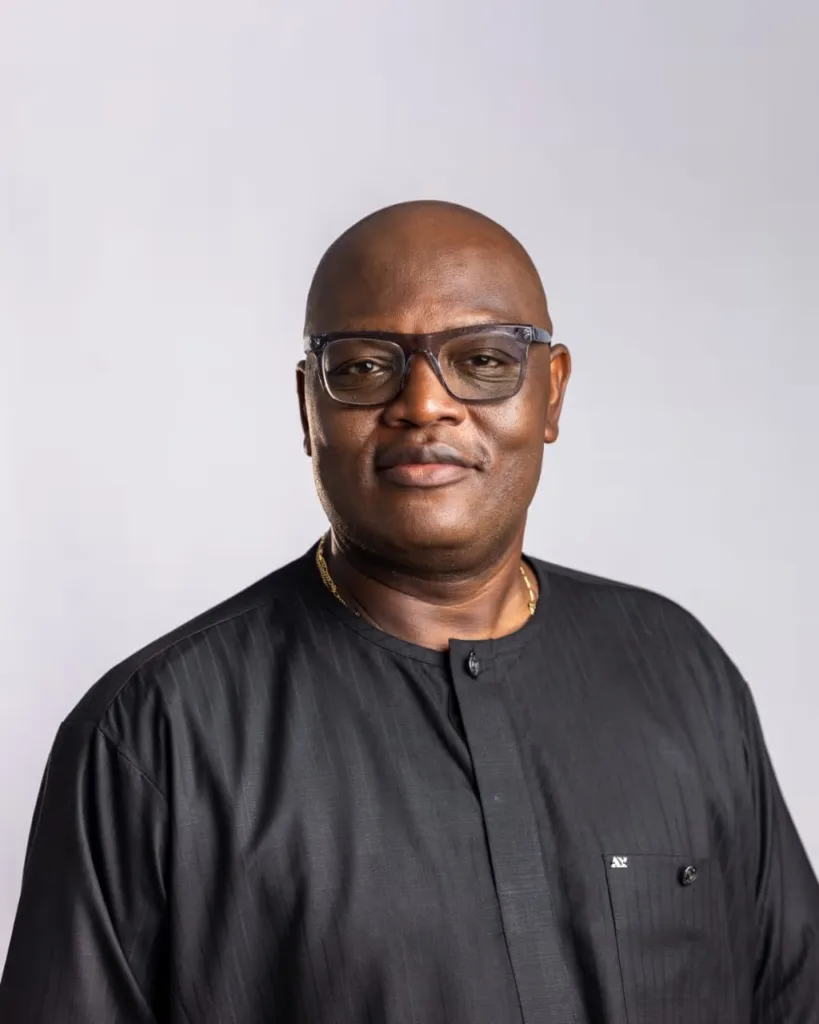
Ghana’s economic planners have finally received some good news after what felt like a lifetime of staring at red lines on balance sheets. Simon Madjie, the Chief Executive Officer of the Ghana Investment Promotion Centre (GIPC), revealed this morning that Foreign Direct Investment (FDI) inflows hit US$2.61 billion in 2025. This isn't just a minor increase; it’s a massive leap from the US$652 million that trickled in during 2024. Chale, the difference is night and day.
Madjie points to a mix of cooling inflation and a more predictable exchange rate as the bait that lured these investors back. When the cost of doing business stops jumping around like a market price during a fuel scarcity, the big boys finally start to pay attention. He credits President John Mahama’s recent drive to tell the world that Ghana is officially open for business as the catalyst for these improved numbers.
"Throughout the year, we have also seen many of the companies that have made announcements of entering and expanding their operations. I believe, as we said, the announcements by businesses to invest well over US$5 billion over the next couple of years in our country is also known to all of you."
Where the Money is Hiding
If you want to know who is really putting their money where their mouth is, look at the Ghana Free Zones Authority. They managed to secure US$1.437 billion across 180 different projects in 2025 alone. These zones are designed to be tax-friendly havens for exporters, and it seems they're finally hitting their stride. When you add that to the 18 upstream projects being pushed by the Petroleum Commission, it’s clear the energy sector is still very much the engine room of the economy.
While we love to talk about our neighbors, China leads the charge in terms of the total number of projects launched in the country. India follows right behind them in the volume of deals. But here is the kicker: the Cayman Islands actually tops the charts when you look at the raw dollar value of the investment. It’s a classic move in global finance, where massive capital flows through offshore hubs before hitting the ground in Accra.
The Shift Toward High Tech
It isn't just about digging oil or assembling parts in a factory anymore. Madjie specifically highlighted that investors are now knocking on the door for opportunities in the Artificial Intelligence space. We're seeing a real push toward digital infrastructure. This represents a departure from the traditional extractive-heavy economy we’ve known for decades. The Jubilee Partners, those heavy hitters in our oil and gas fields, are also doubling down, proving that even the old guards are betting on the future.
This trend toward AI and the digital economy is a big win for our tech-savvy youth in places like North Legon and East Legon who have been waiting for these global firms to set up shop. The GIPC board is currently hunkered down in a retreat, fine-tuning their strategy to ensure these billions don’t just stay in the headlines. They're promising a full report within weeks to break down every single cedi of that $2.6 billion inflow.
A Growing Pipeline
Don’t think for a second that this is the end of the road. Madjie mentioned that an additional US$5 billion in investment is already in the pipeline for the next few years. If these numbers turn into actual factories, data centers, and jobs, then the current administration’s focus on macroeconomic stability will have paid off in a way that the average Ghanaian can actually feel in their pocket.
It’s a long game, and we have seen many promises crumble before. But for once, the math is looking like it’s trending in the right direction. With manufacturing expected to ramp up in the coming months, the pressure is now on the regulators to keep the bureaucratic red tape out of the way. If they can maintain this rhythm, 2026 should be the year we stop talking about recovery and start talking about growth.