

The Warning Signs
Greater Accra is bracing for a tough few weeks. Regional Minister Linda Ocloo has put the entire region on a high-stakes flood alert following intense downpours that have already claimed lives. The Ghana Meteorological Agency says we aren't out of the woods yet, with even heavier rain expected to hit the capital soon. The government is finally moving from talk to action after years of watching the same streets turn into rivers every time the clouds gather.
We know the rains are unavoidable, but we must all play our roles effectively to minimise the impact of flooding.
A Tough Call for Infrastructure
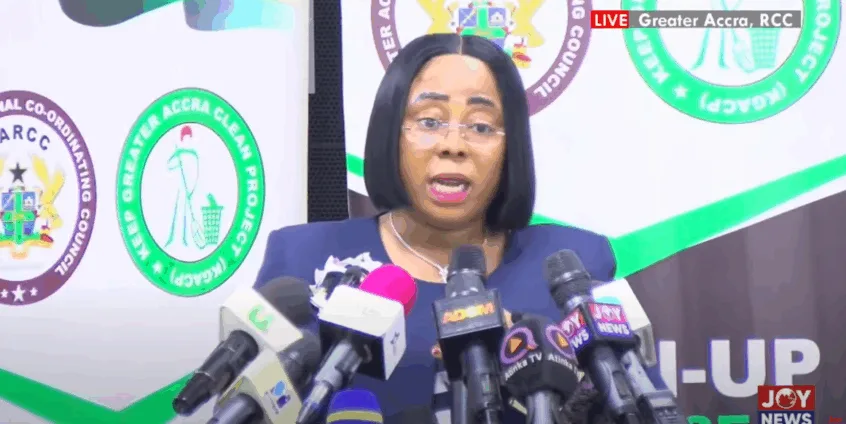
Madam Ocloo, who leads the Greater Accra Regional Coordinating Council, didn't hold back at her Monday press conference. She has directed all Metropolitan, Municipal and District Assemblies (MMDAs) to stop sitting in their offices and start working on the ground. This includes an aggressive push to desilt choked gutters and haul away the massive amounts of refuse that turn our drainage channels into death traps during storms. If your shop or shed is sitting in a waterway, you should probably be looking for a new spot. The demolition machines are coming for any illegal structure blocking the flow of water.
Targeting the Roadside Chaos
A frustrating part of navigating Accra is the cluster of illegal transport terminals and roadside lorry stations that eat up our road space. The Minister has made it clear: these are now public enemy number one. She has ordered the immediate removal of all unauthorised stations that clog traffic and make emergency movement a nightmare. It’s about more than just traffic. It’s about ensuring that if a flood hits, emergency vehicles can actually move through the streets to reach those who need help.
Strategic Moves and Supplies
The Coordinating Council isn't working alone this time. They’ve locked in support from NADMO, the security agencies, and various stakeholders to make sure the response is actually coordinated. Strategic locations are now stocked with everything from food and mattresses to life jackets and first-aid kits. Schools, assembly halls, and religious centres are officially designated as temporary shelters. If your home is in a high-risk area, you already know where to go.
Vulnerable Pockets of the Capital
If you live in Kaneshie, Alajo, Odawna, or Circle, you are already on the government’s watch list. Other areas under intense scrutiny include Weija, Tetegu, Ashalaja, Dansoman, Adabraka, and Ashaiman. The list stretches to cover Tema Communities 1 and 2, Madina, Adenta, Lakeside, Borteyman, Pantang, and Kwabenya. These communities aren't just names on a list. They are the places where life literally grinds to a halt every time the sky opens up.
The Weija Dam Situation
Continuous rainfall has pushed the Weija Dam to its limit. The authorities have already begun a controlled release of excess water to prevent a structural failure that would be catastrophic for the surrounding towns. The Regional Security Council is heading out to these communities immediately to oversee inspections and help with evacuations. We live at the mercy of poor urban planning and shifting weather patterns.
Lighting Up the Dark
Amidst the flood warnings, there’s a small glimmer of light—literally. The Ministry of Energy and Green Transition has finished installing 3,000 solar streetlights across key roads to fight cable theft and improve visibility at night. The project covers stretches like the Katamanso School Junction to Botwe School Junction, Ntreh Avenue, Adjei Onanor Street, and the Ashyie Fulani Road. While lights don't stop floods, they certainly help motorists who are struggling to see through the heavy downpours.
A Shared Burden
No amount of government intervention will fix this if we keep dumping trash into our open drains. The Minister was quite direct: flood prevention is a collective discipline. The days of treating our public waterways like personal dumpsites are supposed to be over, though we’ve heard that song before. The orders are set, the machines are ready, and the regional response teams are on standby. Whether this translates to a drier season depends on whether we finally stop treating the environment like it doesn't matter.