

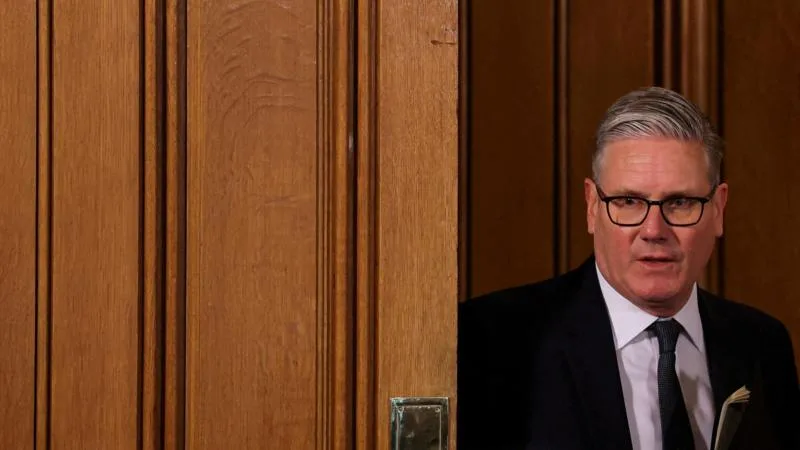
The UK prime minister has just told his Cabinet that he's not going anywhere, at least not yet. This announcement comes after a tumultuous few weeks, during which his leadership has been under intense scrutiny. The question on everyone's mind is: what's next? The answer, for now, is that the prime minister is staying put. He's made it clear that a leadership contest has not been triggered, and he won't be resigning.
But how did we get here? The UK prime minister has been facing mounting pressure to step down, with many of his own party members calling for his resignation. The reasons for this are complex, but they largely center around a series of controversies that have dogged his premiership. Despite these challenges, the prime minister has consistently maintained that he has the support of his party and the country. It's a bold claim, but one that he's stuck to, even in the face of overwhelming opposition.
So, what does this mean for the country? The UK is currently facing a number of significant challenges, from economic uncertainty to social unrest. The prime minister's decision to stay on will likely have a major impact on how these issues are addressed. His supporters argue that he's the right person to lead the country through these tough times, while his critics claim that he's out of touch and unable to effectively govern. One thing's for sure: the coming weeks and months will be crucial in determining the prime minister's fate.
And what about the people involved? The UK prime minister is a seasoned politician with a long history in government. He's known for his charisma and his ability to connect with voters, but he's also been criticized for his handling of key issues. The Cabinet members who have been calling for his resignation are a mix of seasoned politicians and newer faces, all of whom have their own reasons for wanting him to go. As the drama unfolds, it's worth keeping an eye on these key players and their roles in the story.
Key Facts
- The UK prime minister has announced that he won't be resigning.
- A leadership contest has not been triggered.
- The prime minister has been facing mounting pressure to step down.
- The UK is currently facing a number of significant challenges, including economic uncertainty and social unrest.
- The prime minister's decision to stay on will likely have a major impact on how these issues are addressed.
- The prime minister is a seasoned politician with a long history in government.
- Cabinet members have been calling for his resignation.
The Prime Minister's Background
The UK prime minister has been in politics for a long time, with a career spanning decades. He's known for his intelligence and his ability to think on his feet, but he's also been criticized for his handling of key issues. One of the most significant challenges he's faced is the economy, which has been struggling in recent years. The prime minister's response to this crisis has been to implement a series of austerity measures, which have been unpopular with many voters.
But the prime minister's background is more complex than just his economic policies. He's also been involved in a number of high-profile controversies, including a scandal over his personal finances. This has led to criticism that he's out of touch with ordinary people and more interested in serving the interests of the wealthy elite. Despite these challenges, the prime minister remains a popular figure among many voters, who see him as a strong leader who can get things done.
The prime minister's personality is also worth considering. He's known for his charisma and his ability to connect with people, which has been a major asset in his political career. However, he's also been criticized for being arrogant and dismissive of opposing viewpoints. This has led to tension with other politicians and with the media, who have accused him of being secretive and unaccountable.
The Leadership Challenge
The leadership challenge that the prime minister is facing is significant, with many of his own party members calling for his resignation. The reasons for this are complex, but they largely center around a series of controversies that have dogged his premiership. One of the most significant challenges he's faced is the economy, which has been struggling in recent years. The prime minister's response to this crisis has been to implement a series of austerity measures, which have been unpopular with many voters.
But the leadership challenge is about more than just the economy. It's also about the prime minister's personal style and his ability to lead the country. Many of his critics argue that he's out of touch with ordinary people and more interested in serving the interests of the wealthy elite. This has led to criticism that he's unable to effectively govern and that he's lost the support of his party and the country.
The leadership challenge is also about the future of the UK. The country is currently facing a number of significant challenges, from economic uncertainty to social unrest. The prime minister's decision to stay on will likely have a major impact on how these issues are addressed. His supporters argue that he's the right person to lead the country through these tough times, while his critics claim that he's unable to effectively govern.
The Role of the Cabinet
The Cabinet has played a significant role in the leadership challenge that the prime minister is facing. Many Cabinet members have been calling for his resignation, citing his handling of key issues and his personal style. The Cabinet is a group of senior politicians who advise the prime minister and help to make key decisions. They are responsible for implementing government policy and for representing the government in parliament.
But the Cabinet is more than just a group of advisors. They are also a group of politicians with their own interests and agendas. Many of them have their own ambitions and are looking to advance their careers. This has led to tension and conflict within the Cabinet, with some members supporting the prime minister and others calling for his resignation.
The role of the Cabinet will be crucial in the coming weeks and months. They will be responsible for implementing government policy and for advising the prime minister on key issues. They will also be responsible for representing the government in parliament and for defending the prime minister's decisions. As the drama unfolds, it's worth keeping an eye on the Cabinet and their role in the story.
The Reaction of the Public
The public's reaction to the prime minister's decision to stay on has been mixed. Some people are relieved that he's not going anywhere, at least not yet. They see him as a strong leader who can get things done, and they're willing to give him the benefit of the doubt. Others are angry and disappointed, arguing that he's out of touch and unable to effectively govern.
The prime minister's decision to stay on is a disaster for the country. He's out of touch and unable to effectively govern. It's time for him to go.
The public's reaction is significant, as it will likely have a major impact on the prime minister's fate. If he's able to regain the support of the public, he may be able to survive the leadership challenge and stay on as prime minister. However, if he's unable to win back the public's trust, he may be forced to resign.
The public's reaction is also complex, with many people having different opinions and perspectives. Some people are focused on the economy and the prime minister's handling of key issues. Others are more concerned with his personal style and his ability to lead the country. As the drama unfolds, it's worth listening to the public's reaction and considering their perspectives.
The Future of the UK
The future of the UK is uncertain, with many challenges and opportunities on the horizon. The country is currently facing a number of significant challenges, from economic uncertainty to social unrest. The prime minister's decision to stay on will likely have a major impact on how these issues are addressed. His supporters argue that he's the right person to lead the country through these tough times, while his critics claim that he's unable to effectively govern.
But the future of the UK is about more than just the prime minister. It's also about the country's place in the world and its relationships with other nations. The UK is a significant player on the global stage, with a strong economy and a rich history. However, it's also facing many challenges, from climate change to terrorism.
The future of the UK will be shaped by many factors, including the prime minister's decision to stay on. It will also be shaped by the actions of other politicians, including those in the Cabinet and in opposition parties. As the drama unfolds, it's worth considering the many different perspectives and possibilities, and thinking about what the future might hold for the UK.