

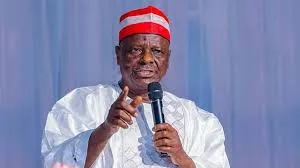
Rabiu Kwankwaso's statement that Yar'adua's death caused confusion in presidential zoning in Nigeria has reignited a long-standing debate about the country's political system. Kwankwaso, a former governor of Kano State, argued that the death of President Umaru Musa Yar'adua in 2010 led to a misunderstanding about the zoning arrangement, which is meant to rotate the presidency between the north and south. According to Kwankwaso, this confusion has contributed to the current uncertainty surrounding the 2027 presidential election.
The zoning system was introduced to promote fairness and balance in Nigeria's political landscape. The system is based on the idea that the presidency should alternate between the north and south to prevent any one region from dominating the others. However, the system has been criticized for being unclear and open to manipulation. Kwankwaso's statement has sparked a heated debate about the system, with some arguing that it is time to abolish the zoning arrangement and allow the best candidate to emerge, regardless of their region.

The controversy surrounding the zoning system has been ongoing for years, with many Nigerians expressing frustration about the lack of clarity and consistency in its application. The system has been blamed for promoting mediocrity and limiting the chances of qualified candidates from emerging. Kwankwaso's statement has added fuel to the debate, with many Nigerians taking to social media to express their opinions on the matter. Some have argued that the zoning system is necessary to prevent the marginalization of certain regions, while others have called for its abolition, arguing that it is undemocratic and promotes incompetence.
The debate about the zoning system is not just about politics; it also has significant implications for Nigeria's economy and development. The country is facing numerous challenges, including poverty, inequality, and insecurity, and the next president will need to have a clear vision and strategy to address these issues. The zoning system has been criticized for prioritizing regional interests over national interests, which can hinder the country's progress. As the 2027 presidential election approaches, the zoning debate is likely to become even more intense, with many Nigerians hoping that the next president will be chosen based on their competence and vision, rather than their region.
Key Facts
- Rabiu Kwankwaso is a former governor of Kano State
- Yar'adua's death occurred in 2010
- The zoning system is meant to rotate the presidency between the north and south
- The 2027 presidential election is set to take place in Nigeria
- The zoning system has been criticized for being unclear and open to manipulation
History of the Zoning System
The zoning system was introduced in Nigeria in the 1990s as a way to promote fairness and balance in the country's political landscape. The system was based on the idea that the presidency should alternate between the north and south to prevent any one region from dominating the others. However, the system has been criticized for being unclear and open to manipulation. Over the years, the system has been applied inconsistently, leading to confusion and controversy.
The zoning system has been blamed for promoting mediocrity and limiting the chances of qualified candidates from emerging. Many Nigerians have expressed frustration about the lack of clarity and consistency in its application. The system has been criticized for prioritizing regional interests over national interests, which can hinder the country's progress. Despite these criticisms, the zoning system remains a contentious issue in Nigerian politics, with many arguing that it is necessary to prevent the marginalization of certain regions.
The history of the zoning system is complex and multifaceted. The system has evolved over time, with different political parties and leaders interpreting it in different ways. The system has been influenced by various factors, including regional interests, ethnic affiliations, and economic considerations. Understanding the history of the zoning system is essential to appreciating the current debate and the challenges that Nigeria faces in promoting fairness and balance in its political landscape.
Impact on the 2027 Presidential Election
The zoning debate is likely to play a significant role in the 2027 presidential election. The election is set to take place in a few years, and the zoning system will likely be a major issue in the campaign. Many Nigerians are hoping that the next president will be chosen based on their competence and vision, rather than their region. However, the zoning system may limit the chances of qualified candidates from emerging, particularly if they are from the wrong region.
The 2027 presidential election will be a critical moment for Nigeria, as the country faces numerous challenges, including poverty, inequality, and insecurity. The next president will need to have a clear vision and strategy to address these issues and promote the country's development. The zoning system may hinder the country's progress if it prioritizes regional interests over national interests. Many Nigerians are calling for a review of the zoning system to ensure that it promotes fairness, balance, and competence in the country's political landscape.
The impact of the zoning system on the 2027 presidential election will depend on how it is applied and interpreted. If the system is applied consistently and fairly, it may promote balance and fairness in the election. However, if the system is manipulated or applied inconsistently, it may lead to controversy and conflict. The zoning system is a complex and contentious issue, and its impact on the 2027 presidential election will be significant.
The Role of Regional Interests
Regional interests play a significant role in the zoning debate. Many Nigerians believe that the zoning system is necessary to prevent the marginalization of certain regions. The system is seen as a way to ensure that all regions have a fair chance to produce a president. However, others argue that the system prioritizes regional interests over national interests, which can hinder the country's progress.
The role of regional interests in the zoning debate is complex and multifaceted. Different regions have different interests and priorities, and the zoning system may be influenced by these factors. The system has been criticized for promoting regionalism and ethnicity, rather than nationalism and patriotism. Many Nigerians believe that the zoning system should be reviewed to ensure that it promotes national interests, rather than regional interests.
The zoning system is a complex and contentious issue, and its impact on Nigerian politics will be significant. As Rabiu Kwankwaso noted, the system has been manipulated and applied inconsistently, leading to confusion and controversy. The system needs to be reviewed and reformed to ensure that it promotes fairness, balance, and competence in the country's political landscape.
The Way Forward
The zoning debate is a critical issue in Nigerian politics, and it requires a nuanced and informed discussion. Many Nigerians are calling for a review of the zoning system to ensure that it promotes fairness, balance, and competence in the country's political landscape. The system needs to be applied consistently and fairly, and it should prioritize national interests over regional interests.
The way forward for the zoning system is unclear, but it is essential to have a nuanced and informed discussion about the issue. The system has been criticized for being unclear and open to manipulation, and it needs to be reformed to ensure that it promotes fairness and balance in Nigerian politics. Many Nigerians are hoping that the next president will be chosen based on their competence and vision, rather than their region. The zoning system should be reviewed and reformed to ensure that it promotes national interests, rather than regional interests.
The zoning system is a complex and contentious issue, and its impact on Nigerian politics will be significant. The system needs to be reviewed and reformed to ensure that it promotes fairness, balance, and competence in the country's political landscape. Many Nigerians are calling for a nuanced and informed discussion about the issue, and it is essential to prioritize national interests over regional interests. The way forward for the zoning system will depend on the ability of Nigerian leaders to have a nuanced and informed discussion about the issue and to prioritize national interests over regional interests.
Conclusion
The zoning debate is a critical issue in Nigerian politics, and it requires a nuanced and informed discussion. The system has been criticized for being unclear and open to manipulation, and it needs to be reformed to ensure that it promotes fairness, balance, and competence in the country's political landscape. Many Nigerians are hoping that the next president will be chosen based on their competence and vision, rather than their region. The zoning system should be reviewed and reformed to ensure that it promotes national interests, rather than regional interests.
The zoning system is a complex and contentious issue, and its impact on Nigerian politics will be significant. The system needs to be reviewed and reformed to ensure that it promotes fairness, balance, and competence in the country's political landscape. Many Nigerians are calling for a nuanced and informed discussion about the issue, and it is essential to prioritize national interests over regional interests. The way forward for the zoning system will depend on the ability of Nigerian leaders to have a nuanced and informed discussion about the issue and to prioritize national interests over regional interests.
The zoning debate is an opportunity for Nigerian leaders to have a nuanced and informed discussion about the country's political landscape. The system has been criticized for being unclear and open to manipulation, and it needs to be reformed to ensure that it promotes fairness, balance, and competence in the country's political landscape. Many Nigerians are hoping that the next president will be chosen based on their competence and vision, rather than their region. The zoning system should be reviewed and reformed to ensure that it promotes national interests, rather than regional interests.