

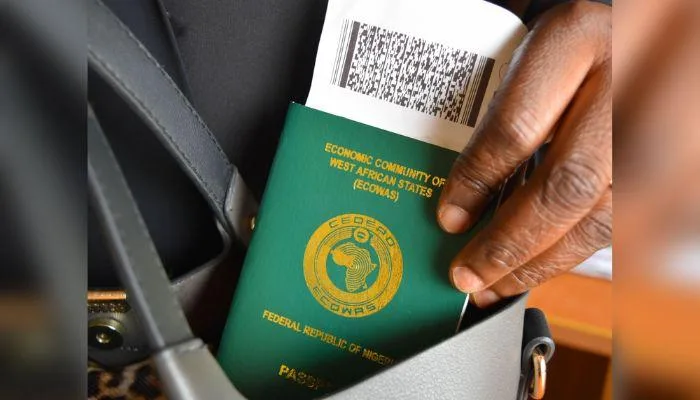
The photograph is usually the highlight: a young Nigerian, passport clutched tight, luggage piled high, beaming as family surrounds them for that final embrace. It’s posted online with fanfare – “Our own is leaving!” – and met with a deluge of congratulations and prayers. But this picture-perfect moment rarely shows the messy truth waiting on the other side: the crippling rent, the soul-crushing loneliness, the confusing systems, the fight for jobs, and the gnawing possibility that the whole ‘japa’ dream might just collapse.
Japa, Nigeria’s popular slang for leaving the country, isn’t just a trend for many; it's an escape hatch. Think of the nurse seeking better working conditions, the graduate hunting for a career, or a young family desperate for a more stable future for their kids, all worn down by years of economic uncertainty back home.
But what happens when the plane touches down?
The numbers paint a stark picture of this mass exodus. The United Nations estimates that around 2.1 million Nigerians were living abroad in 2024. While this figure captures the long-term migrant population, specific countries show the scale of recent departures. In the year ending June 2024, the UK’s Office for National Statistics reported that 120,000 Nigerian nationals moved there long-term; this was a slight dip from the 141,000 the year before. Canada, however, saw a 38 per cent jump in Nigerian permanent residents between 2019 and 2023, reaching 17,446 last year.
A 2024 Afrobarometer survey revealed a staggering 56 per cent of Nigerians expressed interest in emigrating for economic reasons.
For some, the move abroad does lead to greener pastures. They land good jobs, pursue advanced degrees, build thriving businesses, gain valuable international experience, and significantly improve their families' lives. These success stories are real. Yet, social media often paints a deceptively rosy picture, showcasing the foreign university acceptance letters, the stylish winter coats, the chic new apartments, the shiny cars, and the happy families. What’s missing from these curated feeds are the mountains of rent, the hefty taxes, the punishingly long work hours, the endless immigration paperwork, and the deep ache of isolation.
Dora, a Nigerian nurse, learned this lesson the hard way. She japa’d abroad with the belief her professional skills would offer a solid foundation. But her journey took a sharp turn when she found herself unable to renew her Nigerian passport. This plunged her immigration status into a complex limbo. Ultimately, she was repatriated.
Her story’s a harsh reminder that qualifications and sheer grit don’t automatically grant you the right to stay in another country. The airport that once symbolized a gateway to dreams became the site of an unwelcome return.
Ezra, a graduate who pursued an LLM in the UK, hoped to work and perhaps settle there. He paid his tuition, studied hard, and graduated. But the reality he hadn’t fully prepared for was that a degree didn’t automatically unlock the doors to indefinite work or permanent residency. Navigating the labyrinthine immigration rules, finding the right job opportunity, and meeting stringent financial and visa requirements proved too challenging. He eventually returned to Nigeria, not empty-handed – he had his LLM and the experience – but unable to build his career in the country where he’d studied.
For families who poured their life savings into sending their children abroad, these returns can be particularly heartbreaking. And when “making it” comes at a steep personal price, the story gets even more complicated. Francis, who studied International Relations, moved to the United States and married an American citizen, hoping it would solidify his future there. Instead, his marriage became a cage. He recounted being subjected to constant suspicion and control by his wife, who wielded their marital status as a weapon.
He felt treated as less than human, unable to interact freely with anyone, particularly other women, even within his church. His mother’s death eventually brought him back to Nigeria for the funeral, and he never went back to the US. He managed to navigate his way out of the marriage, finding his freedom, and says he’s content living in Nigeria, surrounded by the physical closeness of family and friends.