


The UK's borrowing costs have skyrocketed to their highest level in nearly three decades, with 30-year bond yields reaching 5.794%, as investors worry about potential changes to Labour's tax and spending plans. This surge in borrowing costs is a significant concern for the UK economy, as it can raise the cost of borrowing for the government, consumers, and businesses. The yield later fell back slightly after Prime Minister Keir Starmer announced he would not resign, but the uncertainty surrounding Labour's leadership is still causing jitters in the financial markets.
The labour party has been facing a crisis after suffering significant losses in the recent local and devolved elections. Miatta Fahnbulleh, a minister, resigned and called on Starmer to quit, citing the need for a change in leadership. However, Starmer has refused to resign, stating that the party has a process for challenging a leader and that it has not been triggered. The situation is being closely watched by investors, who are weighing the potential impact of a change in leadership on the UK's economy.

The UK's borrowing costs have been rising this year due to the inflationary impact of the Middle East conflict, but the current uncertainty surrounding Labour's leadership has added to the pressure. Investors are concerned that a change in leadership could lead to higher public spending, which would increase the country's debt and lead to higher inflation. Neil Wilson, an investor strategist at Saxo Markets, warned that the situation could lead to a "blowout" in longer-dated gilts, making it more expensive for the government to borrow money.
The situation is also being affected by the ongoing US-Israel war on Iran, which has led to a rise in oil prices. The conflict has caused a significant disruption to global oil supplies, leading to higher energy prices and increased inflation. The UK's economy is particularly vulnerable to changes in oil prices, as it is a significant importer of oil. The rise in oil prices has also led to a decrease in the value of the pound, making it more expensive for the UK to import goods.
Key Facts
- 30-year UK bond yields reached 5.794%, the highest level in nearly three decades
- The yield later fell back slightly to 5.76% after Prime Minister Keir Starmer announced he would not resign
- The pound dropped 0.6% against the US dollar to $1.353
- The UK's borrowing costs have been rising this year due to the inflationary impact of the Middle East conflict
- Investors are concerned that a change in Labour's leadership could lead to higher public spending and increased inflation
- The US-Israel war on Iran has led to a rise in oil prices, with Brent crude futures rising 2.7% to $106 a barrel
Labour Leadership Crisis
The Labour party has been facing a crisis after suffering significant losses in the recent local and devolved elections. The party's poor performance has led to calls for Starmer to resign, with some ministers publicly criticizing his leadership. However, Starmer has refused to resign, stating that the party has a process for challenging a leader and that it has not been triggered. The situation is being closely watched by investors, who are weighing the potential impact of a change in leadership on the UK's economy.
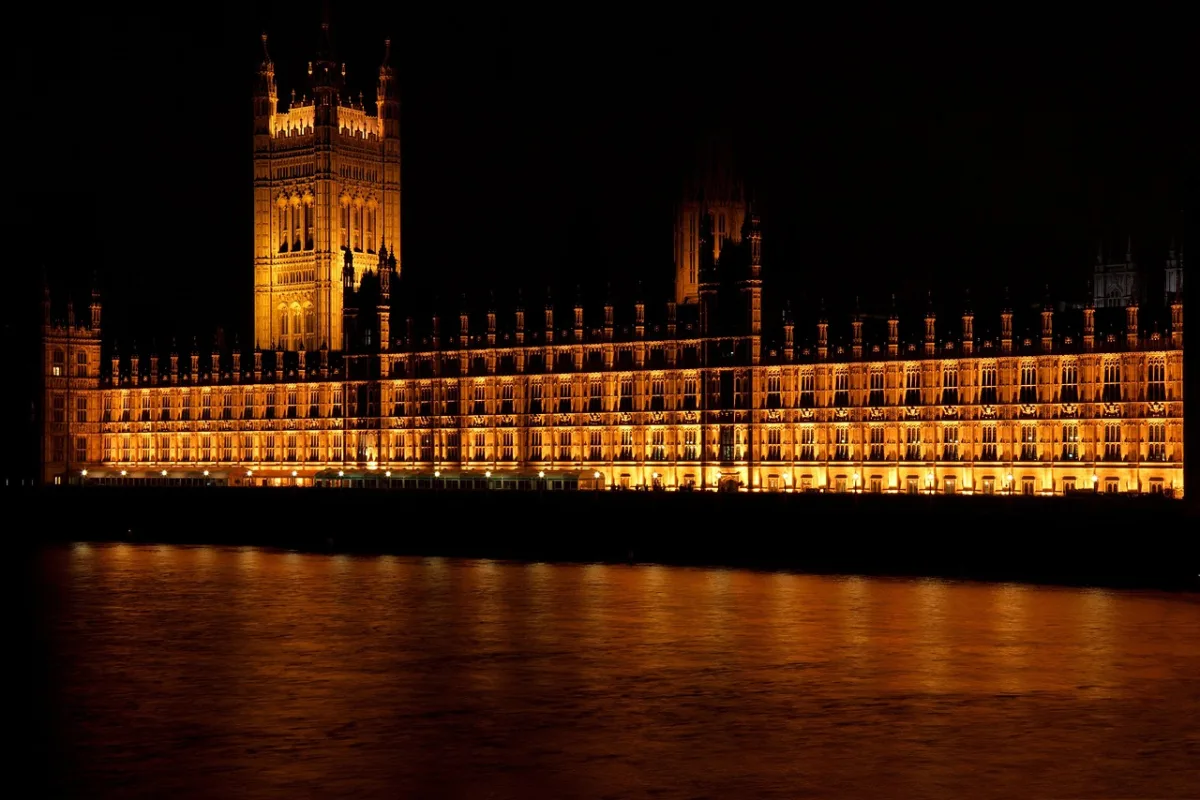
The Labour party's crisis is not just about Starmer's leadership, but also about the party's direction and policies. The party has been struggling to find a clear direction and message, leading to confusion among voters. The situation is being made worse by the fact that the party is facing a significant challenge from the Conservative party, which is seeking to capitalize on Labour's weaknesses.
The Labour party's leadership crisis is also being affected by the ongoing debate about the party's tax and spending plans. Some ministers, such as Angela Rayner and Andy Burnham, have hinted that they would like to see higher public spending, which would increase the country's debt and lead to higher inflation. This has led to concerns among investors, who are worried that a change in leadership could lead to a significant shift in the party's economic policies.
Economic Implications
The surge in UK borrowing costs has significant implications for the country's economy. Higher borrowing costs can make it more expensive for the government to borrow money, which could lead to higher taxes or reduced public spending. This could have a negative impact on the economy, particularly if it leads to reduced investment and consumption. The situation is being closely watched by investors, who are weighing the potential impact of a change in leadership on the UK's economy.
The economic implications of the Labour party's leadership crisis are not just limited to the UK. The country's economy is closely tied to the global economy, and any changes in the UK's economic policies could have a significant impact on the global economy. The situation is being closely watched by investors and economists, who are seeking to understand the potential implications of a change in leadership on the global economy.
The economic implications of the US-Israel war on Iran are also being felt in the UK. The conflict has led to a rise in oil prices, which has increased the cost of energy for the UK. This has led to higher inflation, which could have a negative impact on the economy. The situation is being closely watched by investors, who are seeking to understand the potential implications of the conflict on the global economy.
Investor Concerns
Investors are concerned about the potential impact of a change in Labour's leadership on the UK's economy. The situation is being closely watched by investors, who are weighing the potential impact of a change in leadership on the country's economic policies. Neil Wilson, an investor strategist at Saxo Markets, warned that the situation could lead to a "blowout" in longer-dated gilts, making it more expensive for the government to borrow money.
The risk is that we get a bond market meltdown in the UK in the coming days, said Kathleen Brooks, the research director at XTB. The UK yields are facing a double whammy of an energy price spike and a political crisis. The UK's economy is particularly vulnerable to changes in oil prices, as it is a significant importer of oil.
Investors are also concerned about the potential impact of a change in leadership on the UK's currency. The pound has already dropped 0.6% against the US dollar, making it more expensive for the UK to import goods. The situation is being closely watched by investors, who are seeking to understand the potential implications of a change in leadership on the UK's currency.
Global Implications
The surge in UK borrowing costs has significant implications for the global economy. The UK's economy is closely tied to the global economy, and any changes in the UK's economic policies could have a significant impact on the global economy. The situation is being closely watched by investors and economists, who are seeking to understand the potential implications of a change in leadership on the global economy.
The global implications of the US-Israel war on Iran are also being felt in the UK. The conflict has led to a rise in oil prices, which has increased the cost of energy for the UK. This has led to higher inflation, which could have a negative impact on the economy. The situation is being closely watched by investors, who are seeking to understand the potential implications of the conflict on the global economy.
The global implications of the Labour party's leadership crisis are not just limited to the UK. The party's crisis is being closely watched by politicians and economists around the world, who are seeking to understand the potential implications of a change in leadership on the global economy. The situation is being closely watched by investors, who are weighing the potential impact of a change in leadership on the global economy.
Conclusion
The surge in UK borrowing costs has significant implications for the country's economy. The situation is being closely watched by investors, who are weighing the potential impact of a change in leadership on the UK's economy. The Labour party's leadership crisis is not just about Starmer's leadership, but also about the party's direction and policies. The situation is being made worse by the fact that the party is facing a significant challenge from the Conservative party, which is seeking to capitalize on Labour's weaknesses.
The economic implications of the Labour party's leadership crisis are not just limited to the UK. The country's economy is closely tied to the global economy, and any changes in the UK's economic policies could have a significant impact on the global economy. The situation is being closely watched by investors and economists, who are seeking to understand the potential implications of a change in leadership on the global economy.
The situation is complex and multifaceted, with many different factors at play. However, one thing is clear: the surge in UK borrowing costs has significant implications for the country's economy, and the situation is being closely watched by investors and economists around the world.