

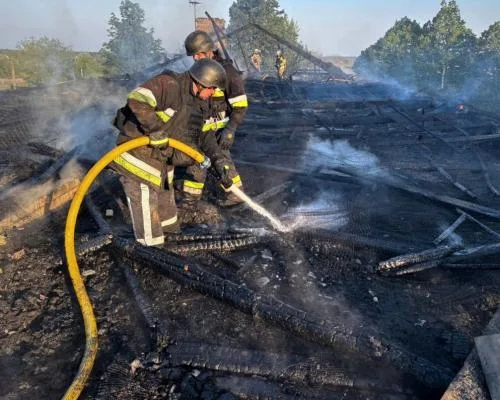
The situation in Ukraine has taken a turn for the worse, with Russia launching a wave of over 200 attack drones that damaged energy facilities and apartment buildings, killing at least one person. The three-day ceasefire, announced by Donald Trump last week, ended with a fresh wave of Russian strikes. Ukraine's president Volodymyr Zelenskyy said that Russia chose to end the partial silence that had lasted for several days, and that Ukraine will respond in kind to Russian attacks.
The EU defence ministers are meeting in Brussels today to discuss the bloc's threat assessment, its support for Ukraine, and what Europe could do to help in the Middle East. The ministers will consider how to use the €90bn loan to answer Ukraine's urgent needs, and how to ramp up domestic defence manufacturing in Europe to answer the growing needs amid warnings over an increasingly assertive Russia. The meeting comes as the UK is going through another major government crisis, and the new Hungarian government led by Péter Magyar is expected to be formally appointed today.
The Russian strikes have caused significant damage, with energy facilities, apartment buildings, and a kindergarten damaged, and a strike on an ordinary civilian locomotive on the railway. People have been reported injured, and unfortunately, there are fatalities. Zelenskyy added that Russia must end this war, and it is Russia that must take the step towards a real, lasting ceasefire. Until that happens, sanctions against Moscow are necessary and must remain in place and be strengthened.
The EU's foreign policy chief, Kaja Kallas, told reporters that the ministers will discuss how to use the €90bn loan to answer Ukraine's urgent needs, and how to ramp up domestic defence manufacturing in Europe. The meeting is crucial, as it comes at a time when Russia is becoming increasingly assertive, and the EU needs to take steps to protect its interests and support its allies.
Key Facts
- The three-day ceasefire between Russia and Ukraine ended with a fresh wave of Russian strikes.
- Over 200 attack drones were launched by Russia, damaging energy facilities and apartment buildings.
- At least one person was killed, and people have been reported injured.
- The EU defence ministers are meeting in Brussels to discuss the bloc's threat assessment and support for Ukraine.
- The ministers will consider how to use a €90bn loan to answer Ukraine's urgent needs.
- The meeting comes as the UK is going through another major government crisis.
- The new Hungarian government led by Péter Magyar is expected to be formally appointed today.
Background to the Conflict
The conflict between Russia and Ukraine has been ongoing for several years, with both sides suffering significant losses. The conflict started in 2014, when Russia annexed Crimea, and has since escalated into a full-scale war. The EU has imposed sanctions on Russia, and has provided significant support to Ukraine, including financial and military aid. The conflict has had a significant impact on the region, with thousands of people killed, and millions displaced.

The EU's support for Ukraine has been crucial, as it has helped the country to defend itself against Russian aggression. The EU has also provided significant financial aid to Ukraine, which has helped the country to rebuild its economy. However, the conflict is far from over, and the EU needs to continue to provide support to Ukraine to help it to defend itself and rebuild its economy.
The Russian strikes have caused significant damage, and have raised concerns about the safety of civilians. The EU has condemned the strikes, and has called on Russia to cease its aggression. The EU has also imposed additional sanctions on Russia, which have had a significant impact on the Russian economy.
The Role of the EU
The EU has played a crucial role in supporting Ukraine, and has provided significant financial and military aid to the country. The EU has also imposed sanctions on Russia, which have had a significant impact on the Russian economy. The EU's foreign policy chief, Kaja Kallas, has said that the EU will continue to support Ukraine, and will work to find a lasting solution to the conflict.
The EU's support for Ukraine is not just about providing financial and military aid, but also about providing diplomatic support. The EU has worked to isolate Russia, and has imposed significant sanctions on the country. The EU has also worked to support Ukraine's efforts to join the EU, and has provided significant support to the country's efforts to reform its economy and political system.
The EU's role in the conflict is not just about supporting Ukraine, but also about protecting its own interests. The EU has a significant interest in maintaining stability in the region, and has worked to prevent the conflict from spreading. The EU has also worked to support the efforts of other countries in the region, including Moldova and Georgia, which have also been affected by the conflict.
The Impact on Civilians
The conflict has had a significant impact on civilians, with thousands of people killed, and millions displaced. The Russian strikes have caused significant damage, and have raised concerns about the safety of civilians. The EU has condemned the strikes, and has called on Russia to cease its aggression.
The impact on civilians has been devastating, with many people forced to flee their homes and seek shelter in other parts of the country. The conflict has also had a significant impact on the economy, with many businesses forced to close, and trade disrupted. The EU has provided significant support to civilians, including humanitarian aid, and has worked to support the efforts of other countries in the region to provide aid.
The conflict has also had a significant impact on the environment, with significant damage caused to infrastructure, and pollution caused by the use of military equipment. The EU has worked to support the efforts of other countries in the region to mitigate the impact of the conflict on the environment, and has provided significant support to Ukraine's efforts to rebuild its economy and restore its environment.
The Way Forward
The way forward is not clear, but it is clear that the conflict will not be resolved quickly. The EU will continue to support Ukraine, and will work to find a lasting solution to the conflict. The EU's foreign policy chief, Kaja Kallas, has said that the EU will continue to support Ukraine, and will work to find a lasting solution to the conflict.
The EU will continue to support Ukraine, and will work to find a lasting solution to the conflict. We will not stand aside, and will continue to work with our partners to support Ukraine and to protect our own interests.
- Kaja Kallas
The EU's support for Ukraine is crucial, and will continue to be crucial in the coming months and years. The EU will need to continue to provide significant financial and military aid to Ukraine, and will need to work to support the country's efforts to rebuild its economy and restore its environment. The EU will also need to continue to work to isolate Russia, and to impose significant sanctions on the country.
Conclusion
The conflict between Russia and Ukraine is complex, and will not be resolved quickly. The EU has played a crucial role in supporting Ukraine, and has provided significant financial and military aid to the country. The EU will continue to support Ukraine, and will work to find a lasting solution to the conflict. The EU's support for Ukraine is crucial, and will continue to be crucial in the coming months and years.
The conflict has had a significant impact on civilians, and has raised concerns about the safety of civilians. The EU has condemned the Russian strikes, and has called on Russia to cease its aggression. The EU has also imposed additional sanctions on Russia, which have had a significant impact on the Russian economy.
The way forward is not clear, but it is clear that the conflict will not be resolved quickly. The EU will continue to support Ukraine, and will work to find a lasting solution to the conflict. The EU's foreign policy chief, Kaja Kallas, has said that the EU will continue to support Ukraine, and will work to find a lasting solution to the conflict. The EU's support for Ukraine is crucial, and will continue to be crucial in the coming months and years.