

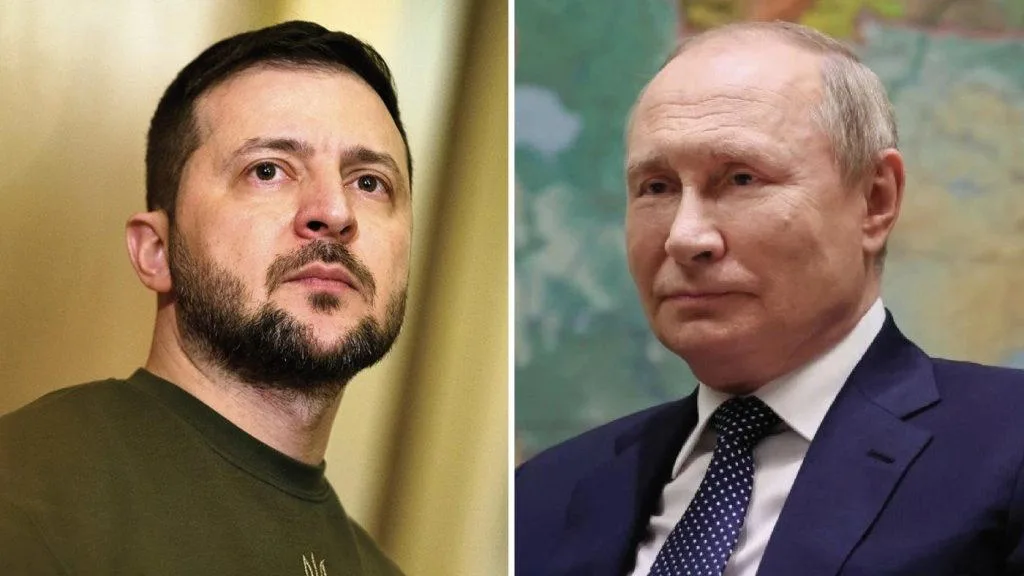
The situation in eastern Ukraine took a turn for the worse as Russian strikes killed one person and wounded at least four others. The attacks, which were confirmed by regional military authorities, mark a significant escalation in the conflict between Russia and Ukraine. The two countries had agreed to a truce, but it expired, leaving a power vacuum that has been filled by violence. The conflict has been ongoing for years, with both sides suffering significant losses. The latest escalation has raised concerns about the stability of the region.
And yet, despite the ongoing violence, there are still many who hold out hope for a peaceful resolution. The international community has been calling for calm and restraint, but so far, those calls have gone unheeded. The conflict has been fueled by a complex mix of historical, cultural, and economic factors, making it difficult to find a solution. But for the people of Ukraine, the stakes are high, and the need for peace is urgent. They're not just fighting for their country; they're fighting for their lives.

But what's behind the conflict? The roots of the dispute between Russia and Ukraine are complex and multifaceted. The two countries have a long and troubled history, with Ukraine having been part of the Soviet Union until its dissolution in 1991. Since then, Ukraine has been trying to assert its independence and build a more democratic society. But Russia has been trying to maintain its influence over the region, and the conflict has been fueled by a mix of nationalism, geopolitics, and economic interests.
So, what's next for the region? The international community is watching the situation closely, and there are fears that the conflict could escalate further. The United States and European Union have been trying to broker a peace deal, but so far, their efforts have been unsuccessful. The conflict has also had a significant humanitarian impact, with thousands of people displaced and many more affected by the violence.
Key Facts
- One person was killed in the Russian strikes in eastern Ukraine.
- At least four others were wounded in the attacks.
- The truce between Russia and Ukraine expired, leading to the escalation of violence.
- The conflict has been ongoing for years, with both sides suffering significant losses.
- The international community has been calling for calm and restraint.
- The roots of the dispute between Russia and Ukraine are complex and multifaceted.
Background to the Conflict
The conflict between Russia and Ukraine has been ongoing for years, with both sides suffering significant losses. The roots of the dispute are complex and multifaceted, with a mix of historical, cultural, and economic factors at play. Ukraine has been trying to assert its independence and build a more democratic society, but Russia has been trying to maintain its influence over the region. The conflict has been fueled by a mix of nationalism, geopolitics, and economic interests.
And yet, despite the complexity of the issue, there are still many who hold out hope for a peaceful resolution. The international community has been calling for calm and restraint, and there are efforts underway to broker a peace deal. But so far, those efforts have been unsuccessful, and the conflict continues to escalate.
But what's driving the conflict? The answer lies in the complex mix of historical, cultural, and economic factors that have shaped the relationship between Russia and Ukraine. The two countries have a long and troubled history, with Ukraine having been part of the Soviet Union until its dissolution in 1991. Since then, Ukraine has been trying to assert its independence and build a more democratic society.
The Humanitarian Impact
The conflict has had a significant humanitarian impact, with thousands of people displaced and many more affected by the violence. The situation is dire, with many people struggling to access basic necessities like food, water, and shelter. The international community has been trying to respond to the crisis, but the need is great, and the resources are limited.
And yet, despite the challenges, there are still many who are working to make a difference. Aid workers, volunteers, and local communities are all playing a crucial role in responding to the crisis. They're providing food, shelter, and medical care to those in need, and they're working to rebuild communities that have been devastated by the conflict.
But the humanitarian impact of the conflict goes beyond just the immediate needs of those affected. The conflict has also had a significant impact on the wider region, with many countries feeling the effects of the violence. The conflict has disrupted trade, damaged infrastructure, and created a sense of instability that is being felt far beyond the borders of Ukraine.
The International Response
The international community has been watching the situation in Ukraine closely, and there are fears that the conflict could escalate further. The United States and European Union have been trying to broker a peace deal, but so far, their efforts have been unsuccessful. The conflict has also had a significant impact on the wider region, with many countries feeling the effects of the violence.
And yet, despite the challenges, there are still many who believe that a peaceful resolution is possible. The international community has been calling for calm and restraint, and there are efforts underway to broker a peace deal. But so far, those efforts have been unsuccessful, and the conflict continues to escalate.
The situation in Ukraine is a stark reminder of the devastating consequences of conflict and the importance of diplomacy and dialogue in resolving disputes.
- Antonio Guterres, UN Secretary-General
The Economic Impact
The conflict has had a significant economic impact, with both Russia and Ukraine suffering significant losses. The conflict has disrupted trade, damaged infrastructure, and created a sense of instability that is being felt far beyond the borders of Ukraine. The economic impact of the conflict has been felt across the region, with many countries struggling to cope with the fallout.
And yet, despite the challenges, there are still many who believe that the economic impact of the conflict can be mitigated. The international community has been working to provide economic support to those affected by the conflict, and there are efforts underway to rebuild the economy of Ukraine. But the task will not be easy, and it will require a significant investment of time, money, and resources.
But what's the long-term economic impact of the conflict? The answer lies in the complex mix of factors that have shaped the relationship between Russia and Ukraine. The two countries have a long and troubled history, with Ukraine having been part of the Soviet Union until its dissolution in 1991. Since then, Ukraine has been trying to assert its independence and build a more democratic society, but Russia has been trying to maintain its influence over the region.
The Way Forward
The way forward for Ukraine is uncertain, with the conflict showing no signs of abating. The international community has been calling for calm and restraint, and there are efforts underway to broker a peace deal. But so far, those efforts have been unsuccessful, and the conflict continues to escalate. The situation is dire, and the need for a peaceful resolution is urgent.
And yet, despite the challenges, there are still many who hold out hope for a peaceful resolution. The conflict has been fueled by a mix of nationalism, geopolitics, and economic interests, but it's not too late to find a solution. The international community has been working to provide support to those affected by the conflict, and there are efforts underway to rebuild the economy of Ukraine.
But what's next for the region? The answer lies in the complex mix of factors that have shaped the relationship between Russia and Ukraine. The two countries have a long and troubled history, with Ukraine having been part of the Soviet Union until its dissolution in 1991. Since then, Ukraine has been trying to assert its independence and build a more democratic society, but Russia has been trying to maintain its influence over the region. The conflict has been fueled by a mix of nationalism, geopolitics, and economic interests, but it's not too late to find a solution.