

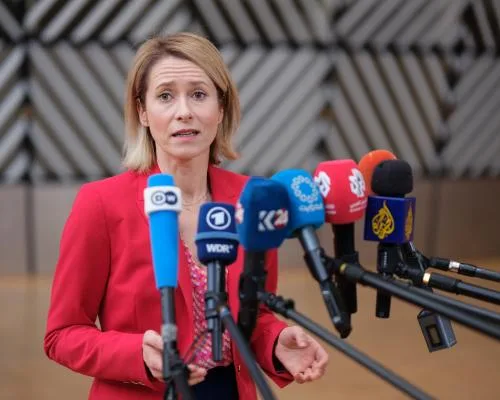
In a striking move, Poland's former justice minister Zbigniew Ziobro has fled to the US, leaving behind the political asylum he was granted in Hungary. This development comes as EU leaders are gathering in Brussels to discuss the ongoing conflict in Ukraine, with many expressing skepticism about Russian President Vladimir Putin's recent ceasefire calls. EU foreign policy chief Kaja Kallas was quick to criticize Putin's moves, calling them 'very cynical' and meant to protect his parade.
The situation in Ukraine is complex, with Russia's invasion in 2022 sparking a humanitarian crisis. The EU has been working to support Ukraine, with many leaders expressing their commitment to helping the country defend itself against Russian aggression. However, the latest developments have raised questions about the effectiveness of these efforts. Ziobro's decision to flee to the US has also sparked controversy, with many wondering how he was able to enter the country despite being wanted by Polish authorities.
As the EU meeting gets underway, leaders are expected to discuss a range of topics, including the situation in Ukraine and the Middle East. The meeting will also focus on the western Balkans, with many leaders expressing concerns about the region's stability. The EU's top diplomat, Kaja Kallas, has warned that Russia is working to increase its influence in Europe, and that the EU must be vigilant in response.
The conflict in Ukraine has been marked by numerous ceasefire agreements, but each has been short-lived. The latest call for a ceasefire from Putin has been met with skepticism, with many leaders expressing doubts about his intentions. The EU has been working to support Ukraine, but the latest developments have raised questions about the effectiveness of these efforts.
Key Facts
- Zbigniew Ziobro, Poland's former justice minister, has fled to the US
- Ziobro was granted political asylum in Hungary, but has now left the country
- EU foreign policy chief Kaja Kallas has criticized Putin's ceasefire calls as 'very cynical'
- The EU is meeting in Brussels to discuss the situation in Ukraine and other topics
- Russia's invasion of Ukraine has sparked a humanitarian crisis
- The EU has been working to support Ukraine, but the latest developments have raised questions about the effectiveness of these efforts
Background on Ziobro's Case
Ziobro's decision to flee to the US has sparked controversy, with many wondering how he was able to enter the country despite being wanted by Polish authorities. Ziobro was a key figure in Poland's previous government, and his departure has raised questions about the country's judicial system. The EU has been critical of Poland's judicial reforms, which have been seen as undermining the rule of law.
Ziobro's case is complex, with many allegations of corruption and abuse of power. He has denied all allegations, but his decision to flee to the US has raised questions about his intentions. The US has a complex relationship with Poland, and Ziobro's arrival in the country has sparked controversy. The Polish government has expressed concerns about Ziobro's presence in the US, and has called for his extradition.
The situation is further complicated by the fact that Ziobro was granted political asylum in Hungary. The Hungarian government had been seen as sympathetic to Ziobro's cause, but the new government has expressed a willingness to revoke his asylum status. The EU has been critical of Hungary's handling of Ziobro's case, and has called for greater transparency.
EU Response to Putin's Ceasefire Calls
The EU has been quick to respond to Putin's ceasefire calls, with many leaders expressing skepticism about his intentions. EU foreign policy chief Kaja Kallas has been vocal in her criticism, saying that Putin's moves are 'very cynical' and meant to protect his parade. The EU has been working to support Ukraine, and many leaders have expressed their commitment to helping the country defend itself against Russian aggression.
The EU's response to Putin's ceasefire calls has been shaped by the organization's experience with previous agreements. Each ceasefire has been short-lived, and the EU has grown increasingly skeptical of Putin's intentions. The latest developments have raised questions about the effectiveness of the EU's efforts to support Ukraine, and many leaders are calling for a more robust response.
The situation is further complicated by the fact that Putin's ceasefire calls have been accompanied by continued Russian aggression in Ukraine. The EU has been working to support Ukraine's military, but the latest developments have raised questions about the effectiveness of these efforts. The EU has also been working to impose sanctions on Russia, but the latest developments have raised questions about the effectiveness of these measures.
The Role of Germany in the Conflict
Germany has played a complex role in the conflict in Ukraine, with many leaders expressing concerns about the country's relationship with Russia. Former German chancellor Gerhard Schröder has been seen as a key figure in this relationship, and his close ties to Putin have raised questions about his influence. The EU has been critical of Schröder's role in the conflict, and many leaders have expressed concerns about his ability to act as a mediator.
"Gerhard Schröder is a Putin idea. I think they are very close. Gerhard Schröder won't be representing Europe," said Estonian foreign minister Margus Tsahkna.
The situation is further complicated by the fact that Germany has been seen as hesitant to impose sanctions on Russia. The country has a complex relationship with Russia, and many leaders have expressed concerns about the impact of sanctions on the German economy. The EU has been working to impose sanctions on Russia, but the latest developments have raised questions about the effectiveness of these measures.
The Impact on Ukraine
The conflict in Ukraine has had a devastating impact on the country, with many civilians caught in the crossfire. The EU has been working to support Ukraine, but the latest developments have raised questions about the effectiveness of these efforts. The situation is further complicated by the fact that Ukraine is still recovering from the economic crisis sparked by the COVID-19 pandemic.
The conflict has also had a significant impact on Ukraine's infrastructure, with many buildings and roads destroyed. The EU has been working to support Ukraine's reconstruction efforts, but the latest developments have raised questions about the effectiveness of these efforts. The situation is further complicated by the fact that Ukraine is still struggling to reform its economy and political system.
The EU has been working to support Ukraine's military, but the latest developments have raised questions about the effectiveness of these efforts. The situation is further complicated by the fact that Ukraine is still struggling to defend itself against Russian aggression. The EU has been working to impose sanctions on Russia, but the latest developments have raised questions about the effectiveness of these measures.
The Wider Implications
The conflict in Ukraine has had a significant impact on the wider region, with many countries expressing concerns about the stability of the area. The EU has been working to support Ukraine, but the latest developments have raised questions about the effectiveness of these efforts. The situation is further complicated by the fact that Russia is still working to increase its influence in the region.
The conflict has also had a significant impact on the global economy, with many countries expressing concerns about the impact of sanctions on Russia. The EU has been working to impose sanctions on Russia, but the latest developments have raised questions about the effectiveness of these measures. The situation is further complicated by the fact that the global economy is still recovering from the economic crisis sparked by the COVID-19 pandemic.
The EU has been working to support Ukraine, but the latest developments have raised questions about the effectiveness of these efforts. The situation is further complicated by the fact that the EU is still struggling to respond to the crisis in a unified way. The EU has been working to impose sanctions on Russia, but the latest developments have raised questions about the effectiveness of these measures.
Conclusion
The conflict in Ukraine is complex and multifaceted, with many different actors and interests at play. The EU has been working to support Ukraine, but the latest developments have raised questions about the effectiveness of these efforts. The situation is further complicated by the fact that Russia is still working to increase its influence in the region.
The EU has been critical of Putin's ceasefire calls, with many leaders expressing skepticism about his intentions. The EU has been working to support Ukraine's military, but the latest developments have raised questions about the effectiveness of these efforts. The situation is further complicated by the fact that Ukraine is still struggling to defend itself against Russian aggression.
The conflict in Ukraine has had a significant impact on the wider region, with many countries expressing concerns about the stability of the area. The EU has been working to support Ukraine, but the latest developments have raised questions about the effectiveness of these efforts. The situation is further complicated by the fact that Russia is still working to increase its influence in the region.