

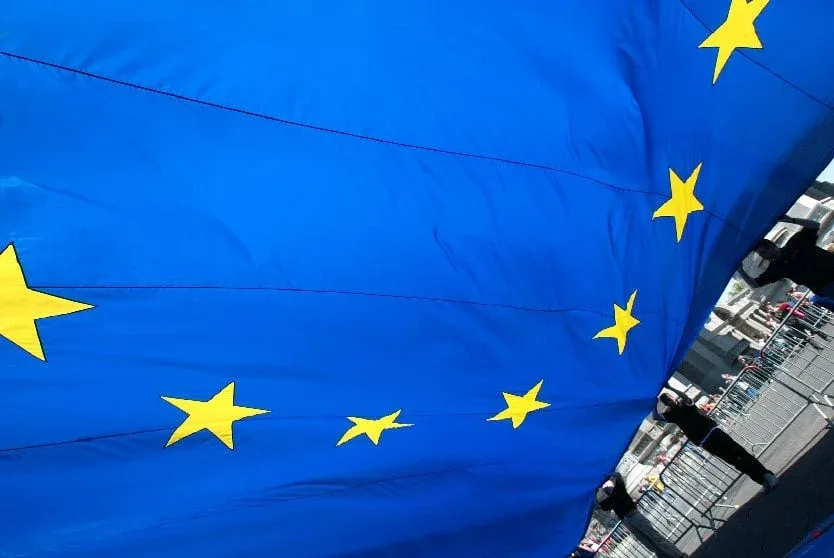
On this crisp Saturday, Icelanders, numbering just shy of 400,000 souls, are casting their votes in a referendum that’s got Brussels buzzing. The question on everyone's lips, and on the ballot, is simple: Should Iceland resume its bid to join the European Union? This isn't a new conversation; it's a conversation that started in 2009 after a financial crisis hit the island nation hard. Talks were on, then they were off when a government that wasn't too keen on the EU took over in 2013. Now, it's a nail-biter, with polls showing the 'Yes' and 'No' camps practically tied.
Foreign Minister Thorgerdur Katrin Gunnarsdottir, a big fan of joining the EU, isn't hiding her optimism, even if the race is as tight as a fisherman's knot. She told AFP, "It’s pretty tight, but I’m always optimistic. It’s not done until it’s done." The voting stations are open from 9 am to 10 pm. Because they don't do exit polls there, the first real numbers aren't expected until late Saturday, maybe even Sunday.
But that deal won't be the final say; it would still need to go back to the Icelandic people for another vote on actual membership.
A major sticking point, as always, is fisheries. Iceland’s fish are practically their gold, and Reykjavik wants to keep that sector entirely under its own control. This time, though, Brussels seems more willing to find common ground on such sensitive issues.
But it’s not just about fish. The world stage has gotten a bit wobbly lately. Eirikur Bergmann, a political scientist at Bifrost University, pointed out that the second term of US President Donald Trump and the general global chaos have definitely put a dent in people's sense of security. It's made some Icelander's rethink their position.
Now, Iceland’s economy is doing great, like a phoenix risen from the ashes of the 2009 crisis. Some folks are asking, why rock the boat? They already have access to the EU's single market through the European Economic Area. That's like having all the benefits of a marriage without the actual wedding. Hjordis Vilhjalmsdottir, a 60-year-old radio presenter, put it plainly: "It’s like if you are in a relationship with someone you don’t live with, and if you lose something you have by getting married, then why get married?" Elias Theodorsson, a 65-year-old businessman, echoed this sentiment, saying, "We don’t need Brussels to rule us.
We can do it ourselves." He proudly reminded everyone that Iceland went from being one of Europe's poorest countries a century ago to one of its most prominent, all on its own.
Yet, this newfound prosperity comes with its own headaches. Inflation is high, and interest rates are soaring. Imagine paying nine percent interest on your mortgage! For some, joining the eurozone, with its much lower interest rates, sounds like a dream. Alexandra Yr van Erven, a 32-year-old university administrator, feels the pinch. "There’s such a big gap, and it would mean so much for my household," she explained.
She believes it's the sensible thing to do to let the government explore what a deal with the EU could look like before making any final decisions.
The global picture isn't helping to calm nerves either. The war in Europe, particularly Russia's invasion of Ukraine, has thrown established security ideas out the window. Add to that the unpredictable nature of US President Donald Trump and his past musings about buying Greenland, and you've got a recipe for concern. This is especially true for an island nation like Iceland, strategically perched in the sub-Arctic. Iceland has no military of its own and relies on NATO and a 1951 US defence agreement.
Bergmann noted that while these global shifts are influencing the conversation, they aren't the main driver.
Whatever Iceland decides, the EU will be watching. They haven't had a wealthy nation join their ranks since 1994. Bringing Iceland in could be a huge boost, showing that enlargement is still a viable path. It might even encourage other wealthy non-EU nations, like Norway, to reconsider their options. EU Enlargement Commissioner Marta Kos stated, "Iceland’s decision would undoubtedly strengthen the case for the EU to welcome new members."