

Germany has launched its electric vehicle subsidy program, with up to $7,000 available to buy an EV or plug-in hybrid. This move is expected to boost sales of electric vehicles, and Chinese manufacturers are likely to be the biggest beneficiaries.
The subsidy program, which started on May 19, 2026, offers between €1,500 ($1,700) and €6,000 ($6,965) to households that purchase an electric or hybrid vehicle. The amount of the subsidy depends on the household's income and the number of children they have. There's no price cap on the vehicles that qualify for the subsidy, but households with incomes over €90,000 ($105,000) per year aren't eligible.
According to Matt Schmidt, the founder of Schmidt Automotive Research, the subsidy program will result in some impressive bargains for German consumers. For example, the Volkswagen ID. Polo, which starts at €24,955 ($28,970) after tax, could be cut to €18,955 ($22,000) with the subsidy. The BYD Dolphin Surf, which starts at €18,990 ($22,000), could also be purchased with the subsidy. It's a great opportunity for consumers to buy electric vehicles at a lower cost.
The Leapmotor TO3, which is listed at around €15,000 ($17,400) before subsidies, becomes available for just €50 ($58) per month, or almost the equivalent of a typical monthly mobile phone bill, with the subsidies covering the deposit, said Matt Schmidt. This makes it an attractive option for many consumers.
The subsidy program is expected to boost sales of electric vehicles in Germany, which have already grown 32.9% year to date. Investment bank UBS predicts that the trend will accelerate in the coming months, given the combination of subsidies and high gasoline prices. They don't expect the growth to slow down anytime soon.
Germany's major automakers, such as Volkswagen and its subsidiaries Porsche and Audi, as well as BMW and Mercedes, have made huge profits in China over many years. However, the Chinese auto industry has been gradually learning from European and U.S. manufacturers, and German market share in China has been sliding. Chinese manufacturers are now making serious incursions into Europe, led by electric and hybrid vehicles. They're becoming a major force in the European market.
The German government finds itself in a difficult position, as it needs to balance the interests of its own automakers with the need to promote electric vehicles and reduce carbon emissions. The European Union has mandated a reduction in carbon dioxide emissions levels, with a goal of almost 100% reduction by 2035. They can't afford to miss this target.
The German electric vehicle subsidy program offers up to $7,000 to buy an EV or plug-in hybrid. The subsidy program started on May 19, 2026. Chinese manufacturers are expected to be the biggest beneficiaries of the subsidy program. The subsidy program is expected to boost sales of electric vehicles in Germany. Germany's major automakers have made huge profits in China over many years. These are the key facts about the subsidy program.
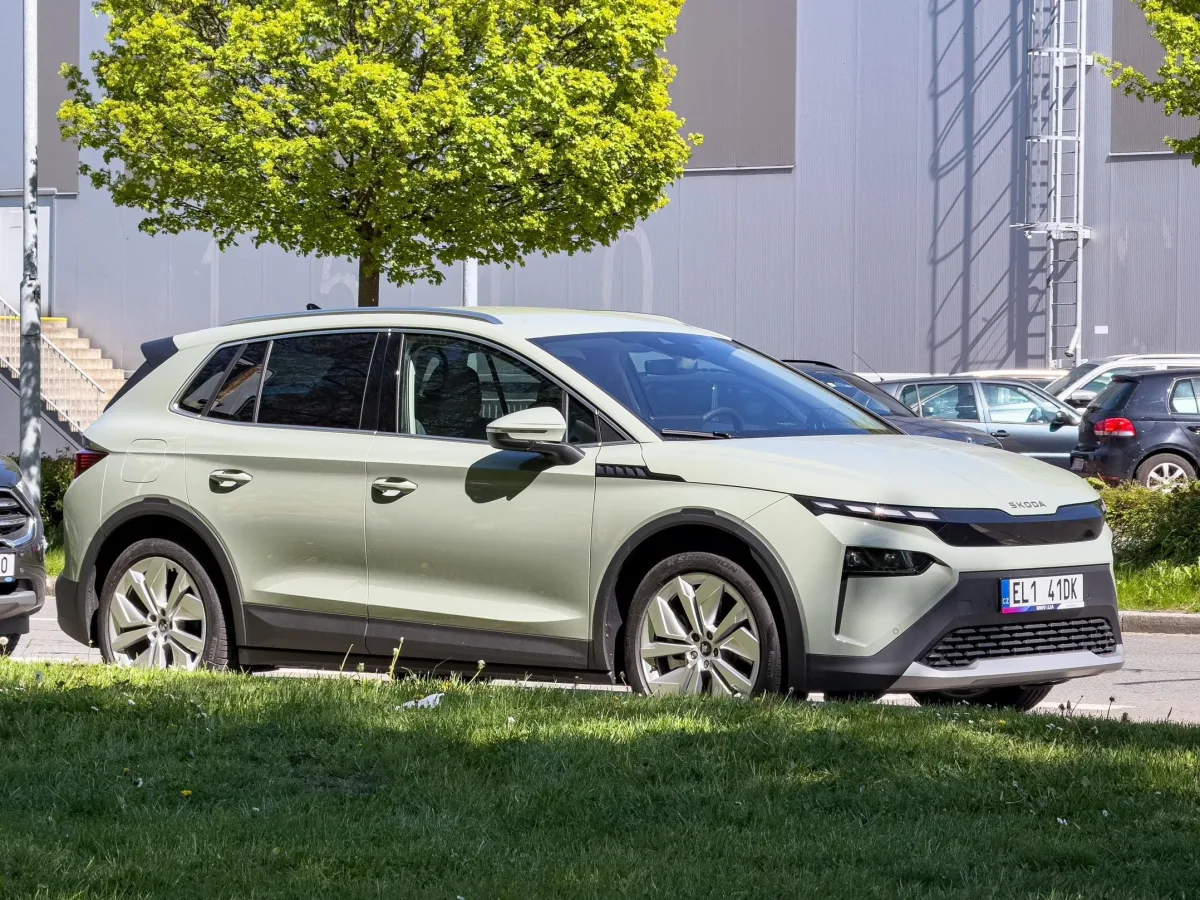
The German subsidy regime has coincided with the launch of new electric vehicles from local manufacturers, such as the VW ID. Polo and Skoda Elroq. The timing of the subsidy program is expected to help Volkswagen, which has been forced to reduce prices of its electric vehicles to meet CO2 regulatory fleet targets. They're trying to stay competitive in the market.
Other European countries, such as France and Italy, also offer electric vehicle subsidies. France offers up to €6,000 ($7,000) in subsidies, while Italy offers up to €11,000 ($12,800). Britain's Zero Emission Vehicle grant provides up to £3,750 ($5,000), and Spain's subsidies peak at €7,000 ($8,100). They're all trying to promote the use of electric vehicles.
The German government's decision to offer subsidies for electric vehicles is expected to have a significant impact on the country's automotive industry. As the use of electric vehicles becomes more widespread, it's likely to lead to a reduction in carbon emissions and a decrease in the country's reliance on fossil fuels. They won't be as dependent on oil and gas.
In the coming months, it will be interesting to see how the subsidy program affects the German automotive industry and the environment. The program's success will depend on how many consumers take advantage of the subsidies. The German government's decision to offer subsidies for electric vehicles is a step towards reducing the country's carbon footprint. They're taking action to reduce their environmental impact. The subsidy program's impact on the country's carbon emissions will be closely monitored.