

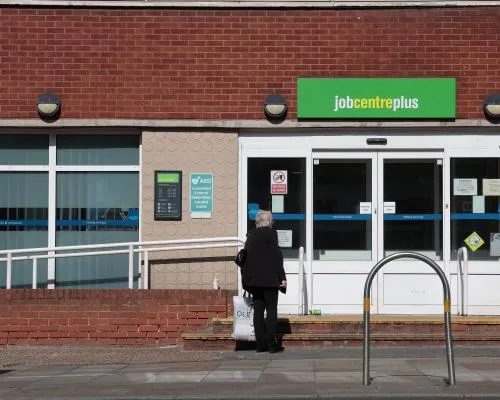
The UK unemployment rate has jumped to 5%, a rise from 4.9% in February, according to the Office for National Statistics (ONS). This unexpected increase has raised concerns about the impact of the Iran war on the UK economy. The UK economy can't afford to take any more hits, and it's essential to assess the situation carefully.
The jobless rate rose to 5% in the three months to March. Economists were expecting it to stay unchanged. Regular wages, excluding bonuses, rose 3.4% year on year in the three months to March. This is down from growth of 3.6% in February.
After taking inflation into account, wages grew by just 0.3%. The Bank of England is closely monitoring pay growth. They're trying to assess to what extent higher consumer prices are feeding through. The Iran war has caused a surge in energy prices, leading to concerns about the UK's economic growth. It's likely that the UK's economy won't recover quickly.
The number of payrolled employees dropped more sharply in April, by 100,000. This is after a 28,000 decline in March, revised from 6,000, the ONS said. This was the biggest monthly fall since records began in 2014, said Martin Beck, chief economist at the economics consultancy WPI Strategy. He didn't expect such a sharp decline.
The latest labour market data suggest the UK jobs market is starting to feel the repercussions of higher energy prices, geopolitical uncertainty and weaker business confidence, said Martin Beck. He thinks it's a significant change.
The generational divide also remains striking. Since payroll employment peaked in October 2024, the number of employees aged 34 and under has fallen by 296,000. Employment among those aged 35 and over has risen by over 18,000. This divide is getting wider, and it's not clear what's causing it. They're two different trends, and it's essential to understand them.
Vacancies fell again in April to their lowest level in almost 12 years, excluding the Covid period. They're now around 15% below their pre-pandemic level. The number of unemployed people per vacancy is among the highest since 2020. This isn't a good sign for the UK's economy. It's likely that the situation will get worse before it gets better.
The message from employers is clear: firms are becoming more cautious. Hiring plans are being scaled back, and the balance of power in the labour market is shifting away from workers. Employers don't want to take risks, and they're not confident about the future. It's a challenging time for the UK's economy.
As the UK economy continues to feel the impact of the Iran war, the Bank of England is expected to make key decisions on interest rates and monetary policy. The bank's deputy governor, Sarah Breeden, is scheduled to speak on the current economic situation. Her comments will be closely watched by economists and policymakers. They're waiting to see what she'll say.
The Iran war has also had a significant impact on global trade. Many countries are feeling the effects of the surge in energy prices. As the situation continues to develop, it's essential to stay informed. The UK's economy is closely tied to the global economy, and it's likely that the impact of the Iran war will be felt for months to come.
Key Facts
- The UK unemployment rate has risen to 5%
- Wage growth slowed down to 3.4% in the three months to March
- The number of payrolled employees dropped by 100,000 in April
- Vacancies fell to their lowest level in almost 12 years, excluding the Covid period
- The number of unemployed people per vacancy is among the highest since 2020
The UK's economic situation is closely tied to the global economy, and the impact of the Iran war will likely be felt for months to come. As the situation develops, it's essential to monitor the key indicators, including unemployment rates, wage growth, and trade balances. The UK can't afford to ignore these indicators. They're crucial to understanding the economy.
In the context of the global economy, the UK's economic situation isn't unique. Many countries are feeling the effects of the surge in energy prices, and the impact of the Iran war is being felt across the globe. It's a global problem, and it requires a global solution. The UK won't be able to solve it alone.
As the Bank of England continues to monitor the situation, it's likely that interest rates and monetary policy will play a significant role in shaping the UK's economic future. The bank's decisions will have a direct impact on the UK's economic growth. It's essential to stay informed about the latest developments. The UK's economy is complex, and it's not easy to predict what will happen.
The UK's labour market is also feeling the effects of the Iran war, with the generational divide becoming increasingly striking. The number of employees aged 34 and under has fallen significantly, while employment among those aged 35 and over has risen. This divide is a concern, and it's not clear what's causing it. It's likely that the situation will get worse before it gets better.
As the situation continues to develop, it's essential to monitor the key indicators and stay informed about the latest developments. The UK's economic situation is complex, and the impact of the Iran war will likely be felt for months to come. The UK's economy won't recover quickly, and it's essential to be prepared.
The bank's deputy governor, Sarah Breeden, is scheduled to speak on the current economic situation, and her comments will be closely watched by economists and policymakers. The UK's economic future is uncertain, and the impact of the Iran war will likely be felt for months to come. It's essential to stay informed and to monitor the key indicators. The UK's economy is at a critical point, and it's not clear what will happen next.