

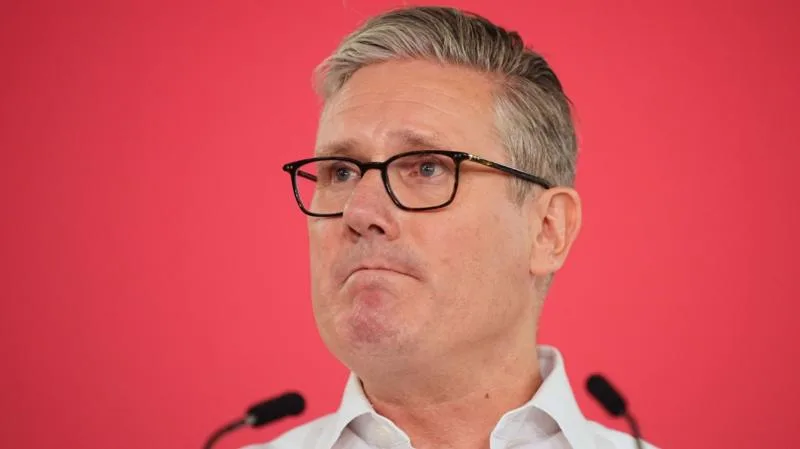
The Labour Party is facing a deepening crisis as over 70 MPs have publicly called on Keir Starmer to either resign immediately or set out a clear timetable to stand down. This move has exposed a significant split within the party, with many MPs losing confidence in Starmer's leadership. The situation has been brewing for some time, but the recent intervention by Mahmood has brought the issue to a head. Starmer's position is now under intense scrutiny, and it remains to be seen how he will respond to the growing pressure. The Labour Party has been struggling to gain traction in the polls, and this internal conflict is likely to further hinder its chances of winning the next election.
The call for Starmer to set out a timetable to stand down is not just a matter of personal opinion; it reflects a broader concern about the party's direction and its ability to connect with voters. Many Labour MPs feel that Starmer has failed to provide a clear vision for the party and has been unable to effectively challenge the government. The party's lack of progress in the polls has led to frustration and disillusionment among MPs, who are now demanding action. The fact that over 70 MPs have publicly spoken out against Starmer is a significant indication of the depth of feeling within the party. It's not just a matter of a few disgruntled MPs; it's a widespread sentiment that reflects a deeper crisis of confidence in the leadership.
Mahmood's intervention has been seen as a significant factor in the current crisis. By calling on Starmer to set out a timetable to stand down, Mahmood has given voice to the concerns of many Labour MPs. Mahmood's statement has been seen as a call to action, and it has prompted many MPs to speak out publicly about their concerns. The fact that Mahmood has taken such a strong stance has added to the pressure on Starmer, and it has made it more difficult for him to ignore the growing discontent within the party. Starmer's response to the situation will be crucial in determining the future of the party.
The Labour Party's history is marked by periods of internal conflict and power struggles. The current crisis is not an isolated incident; it's part of a broader pattern of behavior within the party. The party has often struggled to manage its internal divisions, and this has led to periods of instability and infighting. The current situation is a reminder that the Labour Party is not immune to these kinds of conflicts, and it highlights the need for strong leadership to manage the party's internal dynamics.
Key Facts
- Over 70 Labour MPs have publicly called on Keir Starmer to set out a timetable to stand down or resign immediately.
- Mahmood has intervened in the crisis, calling on Starmer to take action.
- The Labour Party is facing a crisis of confidence in its leadership.
- The party has been struggling to gain traction in the polls.
- Starmer's position is under intense scrutiny.
The Crisis of Confidence
The Labour Party's crisis of confidence in its leadership is a deep-seated problem that reflects a broader dissatisfaction with the party's direction. Many MPs feel that Starmer has failed to provide a clear vision for the party, and this has led to a lack of direction and purpose. The party's inability to connect with voters has been a major concern, and it has led to a decline in support in the polls. The current crisis is a manifestation of this deeper problem, and it highlights the need for the party to re-examine its strategy and direction.
The crisis of confidence in Starmer's leadership is not just a matter of personal opinion; it reflects a broader concern about the party's ability to win the next election. Many Labour MPs believe that the party needs a new leader who can provide a clear vision and direction for the party. The fact that over 70 MPs have publicly spoken out against Starmer is a significant indication of the depth of feeling within the party. It's not just a matter of a few disgruntled MPs; it's a widespread sentiment that reflects a deeper crisis of confidence in the leadership.
The Labour Party's history is marked by periods of internal conflict and power struggles. The current crisis is not an isolated incident; it's part of a broader pattern of behavior within the party. The party has often struggled to manage its internal divisions, and this has led to periods of instability and infighting. The current situation is a reminder that the Labour Party is not immune to these kinds of conflicts, and it highlights the need for strong leadership to manage the party's internal dynamics.
The Role of Mahmood
Mahmood's intervention in the crisis has been seen as a significant factor in the current situation. By calling on Starmer to set out a timetable to stand down, Mahmood has given voice to the concerns of many Labour MPs. Mahmood's statement has been seen as a call to action, and it has prompted many MPs to speak out publicly about their concerns. The fact that Mahmood has taken such a strong stance has added to the pressure on Starmer, and it has made it more difficult for him to ignore the growing discontent within the party.
Mahmood's role in the crisis is not just limited to his public statement. He has been working behind the scenes to build support for a change in leadership, and he has been talking to other MPs about the need for a new direction for the party. Mahmood's efforts have helped to galvanize opposition to Starmer's leadership, and they have contributed to the growing sense of crisis within the party. However, it's not clear what Mahmood's ultimate goal is, and it's unclear whether he wants to lead the party himself or support another candidate.
The fact that Mahmood has taken such a strong stance against Starmer's leadership has raised questions about his own motivations and ambitions. Some have speculated that Mahmood is seeking to position himself as a potential leader of the party, while others believe that he is simply trying to force a change in direction. Whatever his motivations, Mahmood's intervention has had a significant impact on the crisis, and it has helped to bring the issue to a head.
The Future of the Labour Party
The current crisis within the Labour Party has significant implications for its future. The party is facing a critical moment in its history, and it needs to decide whether to continue with its current leadership or to seek a new direction. The fact that over 70 MPs have publicly spoken out against Starmer's leadership is a significant indication of the depth of feeling within the party, and it highlights the need for a change.
The Labour Party's ability to win the next election is a major concern, and it's unclear whether the party can recover from its current crisis. The party needs to find a way to reconnect with voters and to provide a clear vision for the country. This will require strong leadership and a clear sense of direction, and it's unclear whether Starmer can provide this. The party may need to consider alternative leaders or a change in direction if it's to have any chance of winning the next election.
The Labour Party is at a crossroads, and it needs to decide whether to continue down its current path or to seek a new direction. The party's future is uncertain, and it's unclear what the outcome of the current crisis will be. One thing is certain, however: the party needs to find a way to reconnect with voters and to provide a clear vision for the country if it's to have any chance of success.
The Implications of the Crisis
The current crisis within the Labour Party has significant implications for the party's relationships with its allies and opponents. The party's ability to work with other parties and to build coalitions will be affected by the current crisis, and it's unclear how the party will be able to recover from this. The crisis may also have implications for the party's internal dynamics, and it may lead to a period of instability and infighting.
The crisis may also have implications for the broader political landscape. The Labour Party's ability to challenge the government and to provide an effective opposition will be affected by the current crisis, and it's unclear how the party will be able to recover from this. The crisis may also have implications for the party's relationships with its supporters and members, and it may lead to a decline in support and membership.
The Labour Party's crisis is a reminder that politics is a complex and unpredictable business. The party's internal dynamics and relationships with its allies and opponents are subject to change, and it's unclear what the outcome of the current crisis will be. One thing is certain, however: the party needs to find a way to reconnect with voters and to provide a clear vision for the country if it's to have any chance of success.
The Reaction of the Government
The government's reaction to the Labour Party's crisis has been largely muted, but it's clear that the government is watching the situation closely. The government may see the crisis as an opportunity to attack the Labour Party and to undermine its credibility. However, it's also possible that the government may seek to take advantage of the crisis to build a coalition or to work with the Labour Party on certain issues.
The government's reaction to the crisis will be crucial in determining the outcome of the situation. If the government seeks to attack the Labour Party and to undermine its credibility, it may exacerbate the crisis and make it more difficult for the party to recover. On the other hand, if the government seeks to work with the Labour Party or to build a coalition, it may be able to find common ground and to build a more stable and effective government.
The government's relationship with the Labour Party is complex and multifaceted. The two parties have a long history of conflict and competition, but they have also worked together on certain issues. The current crisis within the Labour Party may provide an opportunity for the government to build a new relationship with the party, but it's unclear what the outcome of this will be. One thing is certain, however: the government's reaction to the crisis will be crucial in determining the future of the Labour Party and the broader political landscape.
Conclusion
The Labour Party's crisis is a significant and complex issue that has implications for the party's future and the broader political landscape. The party needs to find a way to reconnect with voters and to provide a clear vision for the country if it's to have any chance of success. The current crisis is a reminder that politics is a complex and unpredictable business, and it's unclear what the outcome of the situation will be. One thing is certain, however: the Labour Party needs to find a way to recover from its current crisis and to provide a clear direction for the country.