

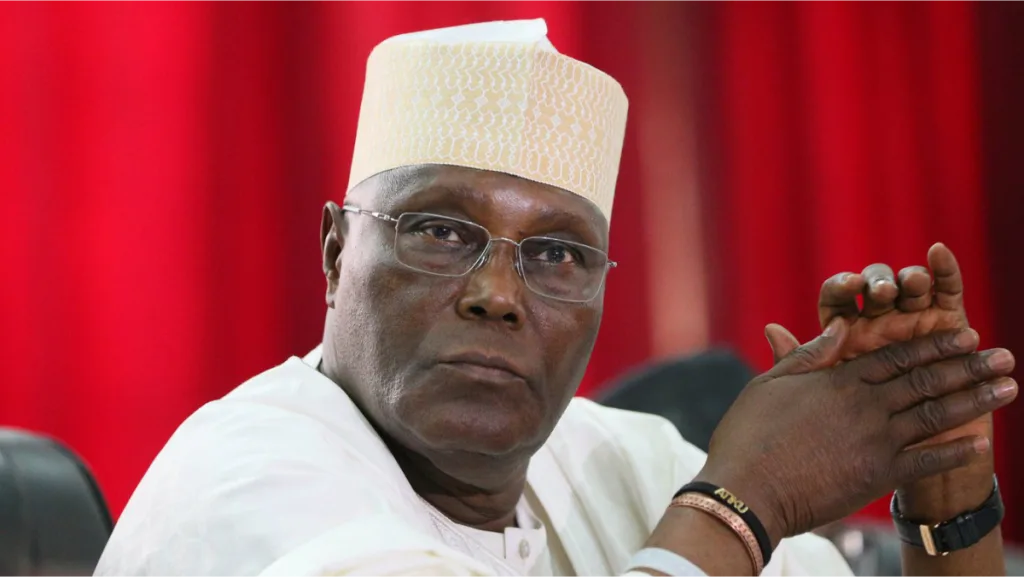
Atiku Abubakar, the former Vice President of Nigeria, has made a bold statement about the upcoming 2027 presidential election. He's come out against the idea of zoning the presidential ticket to the South, a move that's been gaining traction in recent months. According to Atiku's camp, insisting on zoning the ticket to the South would be a self-defeatist move, essentially handing the election to the opposing party. This statement has sent shockwaves through the Nigerian political landscape, with many wondering what this means for the future of the country.
The statement, issued by Atiku's media team, emphasized that the Southeast deserves better than tokenism. It's a nod to the region's long-standing demand for greater representation in the country's politics. Atiku's team is warning that the opposition should focus on building a strong, united front rather than relying on zoning as a strategy. This approach, they argue, would only lead to defeat. The warning is seen as a call to action, urging politicians to put aside their differences and work towards a common goal.
Nigeria's political landscape is complex, with various factions and interests at play. The country has a long history of regional and ethnic tensions, which often play out in the political sphere. The idea of zoning the presidential ticket is an attempt to address these tensions, by ensuring that different regions have a turn at the helm. However, Atiku's team is arguing that this approach is flawed, and that the focus should be on building a strong, inclusive party that can appeal to voters across the country.
The move has sparked debate about the future of Nigerian politics, with many wondering what this means for the country's democracy. Some see Atiku's statement as a bold move, one that could shake up the status quo and bring about much-needed change. Others are more skeptical, arguing that the former Vice President is simply trying to further his own interests. As the debate rages on, one thing is clear: the 2027 presidential election is shaping up to be a pivotal moment in Nigerian history.
Key Facts
- Atiku Abubakar is the former Vice President of Nigeria
- He has come out against zoning the 2027 presidential ticket to the South
- Atiku's team argues that this approach would lead to self-defeatist politics
- The Southeast region deserves better than tokenism, according to Atiku's team
- The statement was issued by Atiku's media team on Monday
- The move has sparked debate about the future of Nigerian politics
- Nigeria has a complex political landscape, with various factions and interests at play
- The country has a long history of regional and ethnic tensions
Background on Atiku Abubakar
Atiku Abubakar is a seasoned politician, with a long history of public service. He served as Vice President under President Olusegun Obasanjo from 1999 to 2007. Since then, he has made several attempts to become President, but has been unsuccessful. Atiku is known for his business acumen and his commitment to democratic principles. He's a key figure in Nigerian politics, and his statements often carry significant weight.
Atiku's decision to speak out against zoning the presidential ticket is seen as a significant move. It's a nod to his reputation as a bold and fearless politician, one who isn't afraid to challenge the status quo. However, it's also sparked controversy, with some arguing that he's simply trying to further his own interests. As the debate rages on, it's clear that Atiku's statement has struck a chord, and will likely have far-reaching implications for Nigerian politics.
Atiku's team has been quick to defend his statement, arguing that it's a call to action for politicians to put aside their differences and work towards a common goal. They see the move as a necessary step towards building a strong, inclusive party that can appeal to voters across the country. However, others are more skeptical, arguing that Atiku is simply trying to position himself for a future presidential run.
The Politics of Zoning
Zoning is a complex issue in Nigerian politics, with different regions and factions having their own interests and demands. The idea is to ensure that different regions have a turn at the helm, and that no one region dominates the others. However, the approach has been criticized for being flawed, with some arguing that it leads to mediocrity and a lack of accountability. Atiku's team is arguing that the focus should be on building a strong, inclusive party, rather than relying on zoning as a strategy.
The politics of zoning is a delicate balancing act, with different regions and factions having their own interests and demands. The Southeast region, in particular, has been vocal about its demands for greater representation in the country's politics. Atiku's statement is seen as a nod to these demands, and a recognition that the region deserves better than tokenism. However, it's also sparked controversy, with some arguing that the former Vice President is simply trying to curry favor with the region.
The debate over zoning is likely to continue, with different factions and interests weighing in. However, one thing is clear: the issue is complex, and there are no easy solutions. As Nigerian politicians navigate this complex landscape, they'll need to balance competing demands and interests, all while keeping the country's best interests at heart.
The Impact on Nigerian Democracy
Atiku's statement has sparked debate about the future of Nigerian democracy. Some see it as a bold move, one that could shake up the status quo and bring about much-needed change. Others are more skeptical, arguing that the former Vice President is simply trying to further his own interests. As the debate rages on, one thing is clear: the 2027 presidential election is shaping up to be a pivotal moment in Nigerian history.
The future of Nigerian democracy is at stake, and it's up to politicians to put aside their differences and work towards a common goal. The country needs a strong, inclusive party that can appeal to voters across the country, rather than relying on zoning as a strategy. It's time for Nigerian politicians to think outside the box, and come up with innovative solutions to the country's problems.
The impact of Atiku's statement on Nigerian democracy will be far-reaching. It's a call to action, urging politicians to put aside their differences and work towards a common goal. The country needs a strong, inclusive party that can appeal to voters across the country, rather than relying on zoning as a strategy. As Nigerian politicians navigate this complex landscape, they'll need to balance competing demands and interests, all while keeping the country's best interests at heart.
The Role of the Southeast Region
The Southeast region has been vocal about its demands for greater representation in the country's politics. Atiku's statement is seen as a nod to these demands, and a recognition that the region deserves better than tokenism. The region has a long history of producing talented politicians, and it's likely that they'll play a key role in the 2027 presidential election.
The Southeast region is a critical component of Nigerian politics, and its demands for greater representation cannot be ignored. Atiku's statement is seen as a step in the right direction, but it's just the beginning. The region will need to continue to push for its interests, and ensure that its voice is heard in the country's politics. As the debate rages on, it's clear that the Southeast region will play a pivotal role in shaping the future of Nigerian democracy.
The Southeast region's demands for greater representation are not just about politics; they're also about economics. The region has been neglected for too long, and it's time for the federal government to invest in its infrastructure and economy. Atiku's statement is seen as a recognition of these demands, and a commitment to addressing the region's needs. As the country moves forward, it's clear that the Southeast region will be a key player in shaping its future.
The Future of Nigerian Politics
The 2027 presidential election is shaping up to be a pivotal moment in Nigerian history. Atiku's statement has sparked debate about the future of Nigerian politics, and it's clear that the country is at a crossroads. The election will be a test of the country's democracy, and it's up to politicians to put aside their differences and work towards a common goal.
The future of Nigerian politics is uncertain, but one thing is clear: the country needs a strong, inclusive party that can appeal to voters across the country. The politics of zoning is a delicate balancing act, but it's time for Nigerian politicians to think outside the box and come up with innovative solutions to the country's problems. As the debate rages on, it's clear that the 2027 presidential election will be a defining moment in Nigerian history.
The country's politicians will need to navigate this complex landscape, balancing competing demands and interests all while keeping the country's best interests at heart. It won't be easy, but it's a necessary step towards building a strong, inclusive party that can appeal to voters across the country. As Nigerian politicians look to the future, they'll need to be bold, fearless, and committed to the country's democratic principles. The future of Nigerian politics is at stake, and it's up to them to shape it.
Conclusion
Atiku Abubakar's statement has sparked debate about the future of Nigerian politics, and it's clear that the country is at a crossroads. The 2027 presidential election is shaping up to be a pivotal moment in Nigerian history, and it's up to politicians to put aside their differences and work towards a common goal. The country needs a strong, inclusive party that can appeal to voters across the country, rather than relying on zoning as a strategy. As the debate rages on, it's clear that the future of Nigerian democracy is at stake, and it's up to politicians to shape it.