

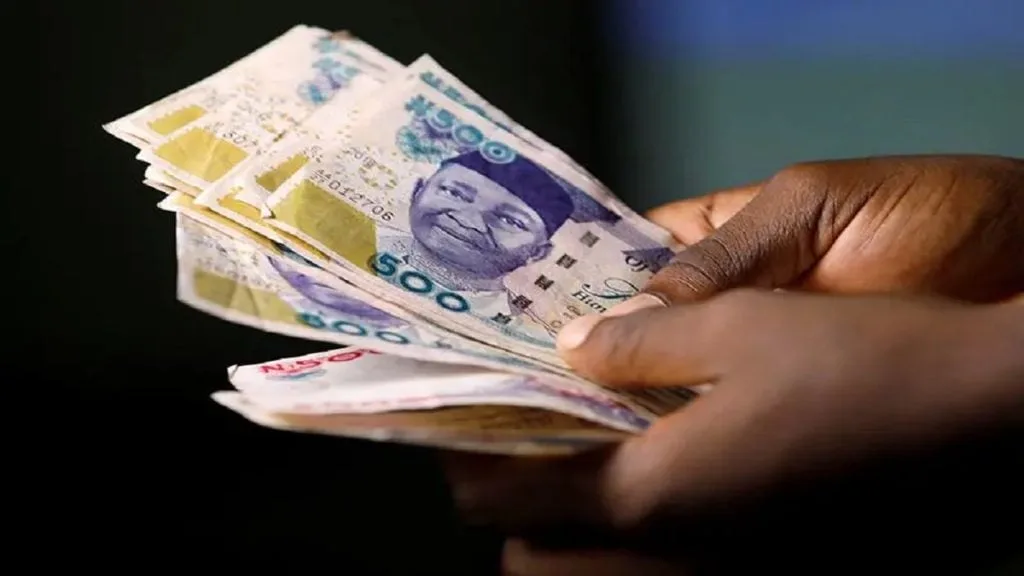
The Nigerian Naira's value has taken a drastic hit, plummeting to N1,465 per dollar in the parallel market. This sharp decline has sent shockwaves throughout the country, with many Nigerians worried about the impact on their daily lives. The Naira's depreciation is a significant concern, as it can lead to higher prices for imported goods and a decrease in the standard of living. The government's efforts to stabilize the economy have been unsuccessful so far, and the Naira's value continues to fluctuate wildly.
The parallel market, also known as the black market, is where individuals and businesses exchange currencies outside of the official banking system. The exchange rate in this market is often higher than the official rate, as it is driven by supply and demand. The Naira's depreciation in the parallel market is a reflection of the country's economic struggles, including a significant trade deficit and a decline in foreign investment. The government has been trying to boost the economy by increasing oil production and diversifying the country's revenue streams, but these efforts have been slow to bear fruit.

The decline of the Naira has far-reaching consequences, affecting not just businesses but also ordinary citizens. With the Naira's value decreasing, the cost of living increases, making it harder for people to afford basic necessities like food and housing. The government's inability to manage the economy has led to widespread frustration and discontent among the population. Many Nigerians are calling for urgent action to address the economic crisis and stabilize the Naira's value.
The Naira's depreciation is not a new phenomenon; it has been a persistent problem for several years. The country's economy has been struggling to recover from the 2016 recession, and the COVID-19 pandemic has only exacerbated the situation. The government has implemented various measures to stabilize the economy, including introducing a flexible exchange rate regime and increasing interest rates. However, these efforts have had limited success, and the Naira's value continues to fluctuate wildly.
Key Facts
- The Naira has depreciated to N1,465 per dollar in the parallel market.
- The Naira traded at N1,383 per dollar just last week.
- The parallel market is also known as the black market.
- The government has been trying to boost the economy by increasing oil production and diversifying revenue streams.
- The decline of the Naira has far-reaching consequences, affecting businesses and ordinary citizens.
Economic Background
The Nigerian economy has been struggling for several years, with the country facing significant challenges, including a large trade deficit and a decline in foreign investment. The government has been trying to diversify the economy, but the oil and gas sector remains the main driver of growth. The country's economic struggles have been exacerbated by the COVID-19 pandemic, which has disrupted global trade and led to a decline in oil prices.
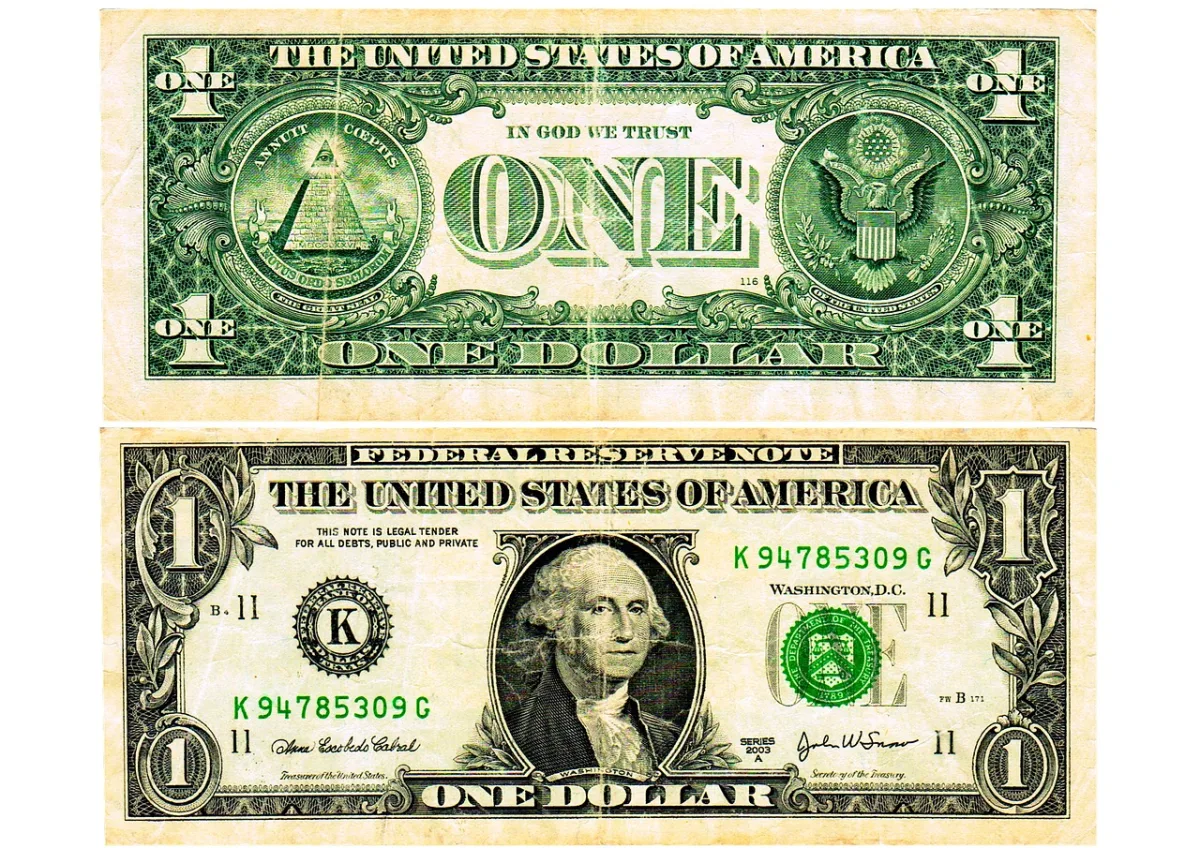
The government's efforts to stabilize the economy have been hindered by a lack of foreign exchange, which has made it difficult to import goods and services. The Central Bank of Nigeria has been trying to manage the exchange rate, but its efforts have been limited by the country's low foreign exchange reserves. The decline of the Naira has also been driven by a lack of confidence in the economy, with many investors hesitant to invest in the country due to the uncertain economic environment.
The economic struggles have had a significant impact on the population, with many Nigerians struggling to make ends meet. The cost of living has increased significantly, making it harder for people to afford basic necessities like food and housing. The government's inability to manage the economy has led to widespread frustration and discontent among the population.
Government Response
The government has been trying to address the economic crisis, but its efforts have been slow to bear fruit. The government has introduced a flexible exchange rate regime, which allows the Naira to float on the foreign exchange market. The government has also increased interest rates to try to attract foreign investment and stabilize the economy. However, these efforts have had limited success, and the Naira's value continues to fluctuate wildly.
The government has also been trying to boost the economy by increasing oil production and diversifying revenue streams. The government has invested in various infrastructure projects, including roads, bridges, and ports, to try to stimulate economic growth. However, these efforts have been hindered by a lack of funding and corruption, which has limited the impact of these projects.
The government's response to the economic crisis has been criticized by many, with some arguing that the government has not done enough to address the root causes of the problem. The government has been accused of being slow to react to the crisis and of not having a clear plan to stabilize the economy. The opposition has called for the government to take more decisive action to address the economic crisis and stabilize the Naira's value.
Impact on Businesses
The decline of the Naira has had a significant impact on businesses, particularly those that rely on imported goods and services. The increase in the cost of imports has made it harder for businesses to compete, and many have been forced to increase their prices to stay afloat. The decline of the Naira has also made it harder for businesses to access foreign exchange, which has limited their ability to import goods and services.
The decline of the Naira has also had a significant impact on the manufacturing sector, which relies heavily on imported raw materials. The increase in the cost of imports has made it harder for manufacturers to produce goods, and many have been forced to reduce production or shut down altogether. The decline of the Naira has also made it harder for manufacturers to access foreign markets, which has limited their ability to export goods.
The decline of the Naira is a major concern for businesses, as it makes it harder for us to compete and access foreign markets. We need the government to take decisive action to stabilize the economy and the Naira's value, so that we can plan for the future and invest in our businesses.
Future Outlook
The future outlook for the Nigerian economy is uncertain, with many predicting that the Naira's value will continue to fluctuate wildly. The government's efforts to stabilize the economy have been slow to bear fruit, and the country's economic struggles are likely to continue for some time. The decline of the Naira has significant implications for the country's economic stability and growth, and the government needs to take more decisive action to address the root causes of the problem.
The government needs to implement policies that will stimulate economic growth and stabilize the Naira's value. This includes increasing foreign exchange reserves, reducing the country's trade deficit, and increasing investment in key sectors such as agriculture and manufacturing. The government also needs to address the issue of corruption, which has limited the impact of its economic policies and hindered the country's ability to attract foreign investment.
The future of the Nigerian economy depends on the government's ability to stabilize the Naira's value and stimulate economic growth. The government needs to take more decisive action to address the root causes of the problem and implement policies that will have a positive impact on the economy. The country's economic stability and growth depend on it.
International Implications
The decline of the Naira has significant implications for the international community, particularly for countries that trade with Nigeria. The decline of the Naira makes it harder for Nigerian businesses to access foreign markets, which can have a negative impact on trade and investment. The decline of the Naira also makes it harder for foreign businesses to invest in Nigeria, which can limit the country's ability to attract foreign investment.
The decline of the Naira has also had a significant impact on the global economy, particularly in the area of trade and investment. The decline of the Naira has made it harder for countries to trade with Nigeria, which can have a negative impact on global trade and economic growth. The decline of the Naira has also made it harder for foreign businesses to invest in Nigeria, which can limit the country's ability to attract foreign investment and stimulate economic growth.
The international community needs to take note of the decline of the Naira and its implications for global trade and investment. The international community needs to work with the Nigerian government to address the root causes of the problem and implement policies that will stabilize the Naira's value and stimulate economic growth. The future of the Nigerian economy and its implications for the international community depend on it.