

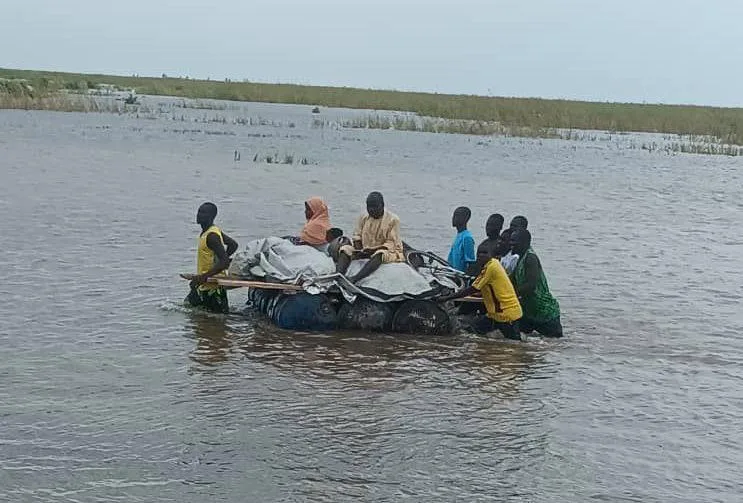
As the rainy season approaches in Nigeria, the International Federation of the Red Cross and the European Union are taking proactive measures to mitigate the effects of flooding in communities in Bayelsa State. The project, tagged 'Disaster Preparedness,' has been building the capacity of locals to prepare for and tackle the disaster whenever it occurs. Community leaders in the region say they're now better prepared to handle floods, thanks to the training and support they've received. This is a significant development, given the region's history of devastating floods. The Red Cross and EU's efforts are a testament to the importance of community-based initiatives in disaster preparedness.
The Red Cross has been working closely with local communities to identify areas that are most prone to flooding and to develop strategies to reduce the risk of damage. The organization has also been providing training on emergency response and first aid, as well as distributing essential items such as food, water, and shelter materials. The EU, on the other hand, has been providing financial support to the project, which has enabled the Red Cross to reach more communities and provide more comprehensive support. The partnership between the Red Cross and the EU is a great example of how international organizations can work together to make a positive impact on local communities.

The community leaders in Bayelsa State are optimistic about the project's potential to save lives and reduce the impact of flooding. They say that the training and support they've received have given them the confidence to respond to floods more effectively. The leaders also appreciate the fact that the project is community-based, which means that it's tailored to the specific needs of their communities. This approach has helped to build trust and ensure that the project is sustainable in the long term. As the rainy season approaches, the community leaders are urging their people to be vigilant and to take all necessary precautions to stay safe.
The Red Cross and EU's efforts in Bayelsa State are part of a broader initiative to reduce the impact of disasters in Nigeria. The country is prone to a range of natural disasters, including floods, droughts, and earthquakes. The Red Cross and EU are working with local communities and governments to develop strategies to mitigate the effects of these disasters and to provide support to those affected. This is a critical task, given the potential for disasters to cause widespread damage and loss of life.
Key Facts
- The International Federation of the Red Cross and the EU are working together to prepare communities in Bayelsa State, Nigeria, for potential floods.
- The project, tagged 'Disaster Preparedness,' aims to mitigate the effects of flooding in the region.
- Community leaders say they're now better equipped to handle floods, thanks to the training and support they've received.
- The Red Cross has been providing training on emergency response and first aid, as well as distributing essential items such as food, water, and shelter materials.
- The EU is providing financial support to the project, which has enabled the Red Cross to reach more communities and provide more comprehensive support.
The Impact of Flooding in Bayelsa State
Flooding is a major problem in Bayelsa State, with the region experiencing severe floods in recent years. The floods have caused widespread damage to homes, businesses, and infrastructure, and have also led to loss of life. The community leaders say that the floods have had a devastating impact on their people, with many families left without access to basic necessities such as food, water, and shelter. The Red Cross and EU's efforts are aimed at reducing the impact of flooding in the region, by providing support to communities and helping them to develop strategies to mitigate the effects of the disasters.
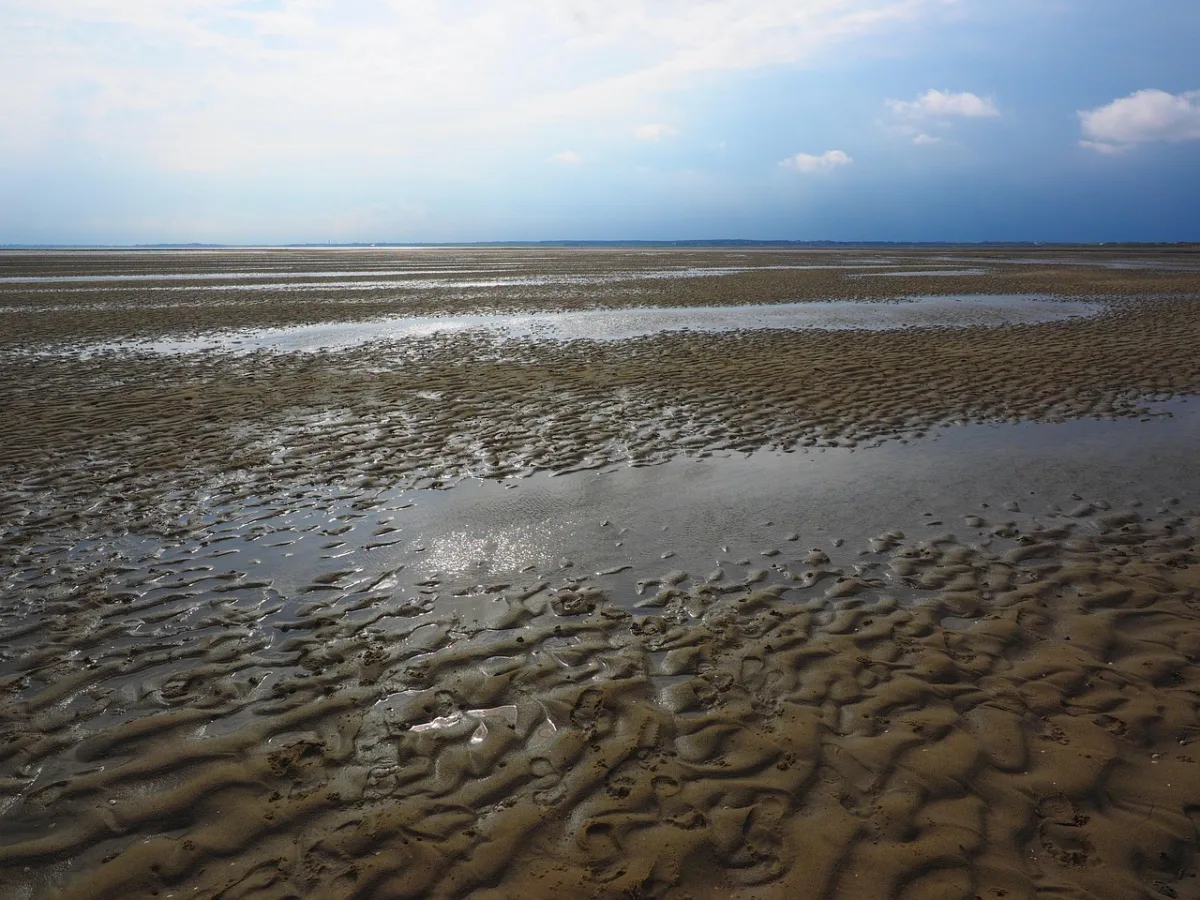
The community leaders are working closely with the Red Cross and EU to identify areas that are most prone to flooding and to develop strategies to reduce the risk of damage. They're also working to raise awareness about the importance of disaster preparedness and to encourage their people to take all necessary precautions to stay safe. This is a critical task, given the potential for floods to cause widespread damage and loss of life. The community leaders are optimistic about the project's potential to save lives and reduce the impact of flooding, and they're urging their people to be vigilant and to take all necessary precautions to stay safe.
The Red Cross and EU's efforts in Bayelsa State are part of a broader initiative to reduce the impact of disasters in Nigeria. The country is prone to a range of natural disasters, including floods, droughts, and earthquakes. The Red Cross and EU are working with local communities and governments to develop strategies to mitigate the effects of these disasters and to provide support to those affected. This is a critical task, given the potential for disasters to cause widespread damage and loss of life.
The Role of the Red Cross
The Red Cross is playing a critical role in the project, by providing training and support to community leaders and their people. The organization has been working closely with local communities to identify areas that are most prone to flooding and to develop strategies to reduce the risk of damage. The Red Cross has also been providing training on emergency response and first aid, as well as distributing essential items such as food, water, and shelter materials. The community leaders say that the Red Cross has been instrumental in helping them to develop strategies to mitigate the effects of flooding, and they're grateful for the organization's support.
The Red Cross is a global humanitarian organization that provides emergency assistance and disaster relief to those affected by conflicts and natural disasters. The organization has a long history of working in Nigeria, and has provided support to communities affected by a range of disasters, including floods, droughts, and earthquakes. The Red Cross is committed to reducing the impact of disasters in Nigeria, and is working closely with local communities and governments to develop strategies to mitigate the effects of these disasters.
The Importance of Community-Based Initiatives
The project in Bayelsa State is a great example of the importance of community-based initiatives in disaster preparedness. The community leaders say that the project has given them the confidence to respond to floods more effectively, and they're urging their people to be vigilant and to take all necessary precautions to stay safe. The project has also helped to build trust and ensure that the support provided is tailored to the specific needs of the communities. This approach has helped to make the project more sustainable in the long term, and has ensured that the support provided is more effective.
The project has given us the confidence to respond to floods more effectively, and we're urging our people to be vigilant and to take all necessary precautions to stay safe.
- Emem Idio, Community Leader
The community-based approach has also helped to raise awareness about the importance of disaster preparedness and to encourage people to take all necessary precautions to stay safe. The community leaders are working closely with the Red Cross and EU to identify areas that are most prone to flooding and to develop strategies to reduce the risk of damage. They're also working to distribute essential items such as food, water, and shelter materials, and to provide training on emergency response and first aid.
The Future of Disaster Preparedness in Nigeria
The project in Bayelsa State is part of a broader initiative to reduce the impact of disasters in Nigeria. The country is prone to a range of natural disasters, including floods, droughts, and earthquakes. The Red Cross and EU are working with local communities and governments to develop strategies to mitigate the effects of these disasters and to provide support to those affected. This is a critical task, given the potential for disasters to cause widespread damage and loss of life.
The community leaders are optimistic about the project's potential to save lives and reduce the impact of flooding, and they're urging their people to be vigilant and to take all necessary precautions to stay safe. The Red Cross and EU's efforts are a testament to the importance of community-based initiatives in disaster preparedness, and they're a great example of how international organizations can work together to make a positive impact on local communities. As the rainy season approaches, the community leaders are urging their people to be prepared and to take all necessary precautions to stay safe.
Conclusion
The project in Bayelsa State is a great example of the importance of community-based initiatives in disaster preparedness. The Red Cross and EU's efforts are a testament to the importance of working together to make a positive impact on local communities. The community leaders are optimistic about the project's potential to save lives and reduce the impact of flooding, and they're urging their people to be vigilant and to take all necessary precautions to stay safe. As the rainy season approaches, it's critical that communities in Nigeria are prepared to respond to floods and other disasters, and the Red Cross and EU's efforts are an important step in the right direction.
Next Steps
The Red Cross and EU are planning to expand the project to other communities in Nigeria, with the goal of reducing the impact of disasters across the country. The community leaders are urging their people to be vigilant and to take all necessary precautions to stay safe, and they're working closely with the Red Cross and EU to identify areas that are most prone to flooding and to develop strategies to reduce the risk of damage. The project is a great example of the importance of community-based initiatives in disaster preparedness, and it's a testament to the power of working together to make a positive impact on local communities.
The Power of Partnership
The partnership between the Red Cross and EU is a great example of how international organizations can work together to make a positive impact on local communities. The Red Cross is providing training and support to community leaders and their people, while the EU is providing financial support to the project. The partnership has enabled the Red Cross to reach more communities and provide more comprehensive support, and it's a testament to the importance of working together to achieve common goals. The community leaders are grateful for the support they've received, and they're urging their people to be vigilant and to take all necessary precautions to stay safe.
The Importance of Disaster Preparedness
Disaster preparedness is critical in Nigeria, given the country's history of natural disasters. The Red Cross and EU's efforts are a great example of the importance of working together to reduce the impact of disasters, and they're a testament to the power of community-based initiatives. The community leaders are urging their people to be vigilant and to take all necessary precautions to stay safe, and they're working closely with the Red Cross and EU to identify areas that are most prone to flooding and to develop strategies to reduce the risk of damage. The project is a great example of the importance of disaster preparedness, and it's a testament to the importance of working together to make a positive impact on local communities.