

The single sharpest fact in one or two punchy sentences. Who did what, where, when, and why it matters. Not a summary of everything — the one thing that makes someone stop scrolling. A reader who only reads this paragraph must understand what happened.
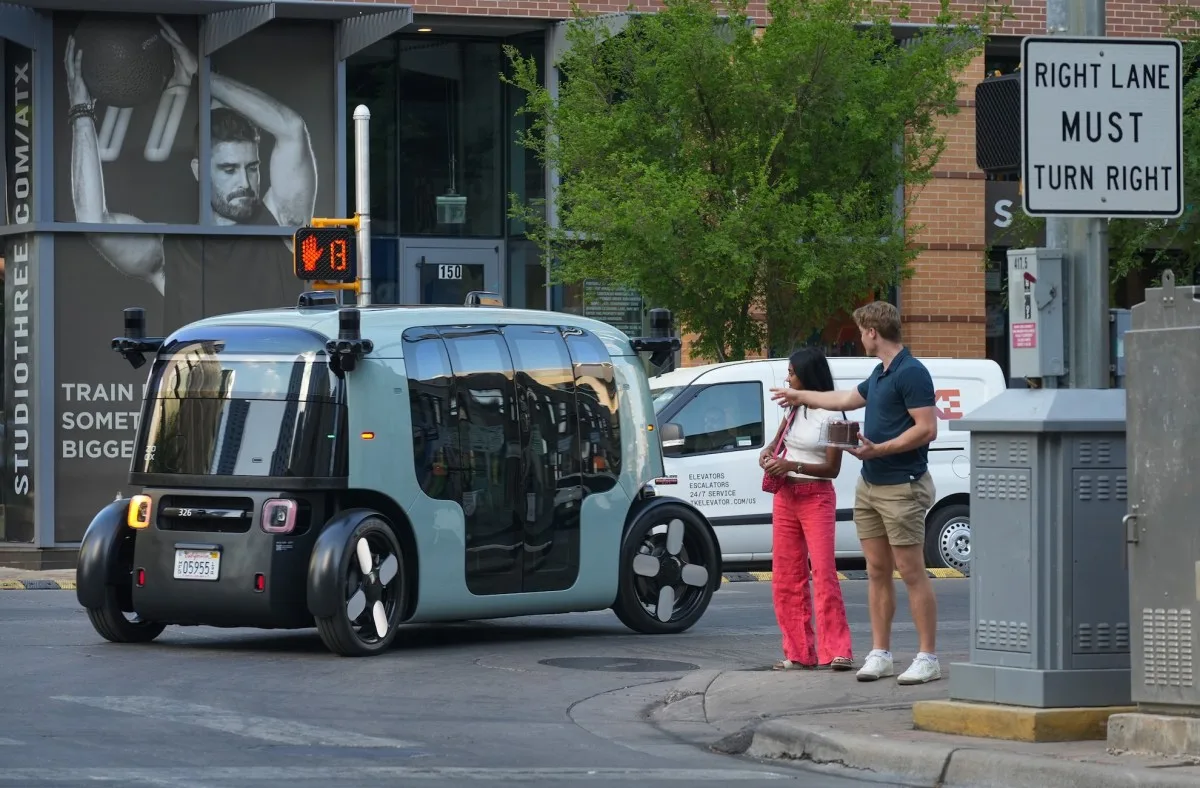
The federal government is moving full-steam ahead with plans to deploy autonomous vehicles across the US, despite growing concerns from state and local officials who are now pushing back against the proposal.
TechCrunch this week covered a couple of stories that illustrate the countervailing forces at play within the autonomous vehicle industry. The federal government is hitting the accelerator while state and local officials are pumping the brakes on autonomous vehicles.
According to the Federal Highway Administration, the government is planning to accelerate the development of self-driving cars by investing $1 billion in research and development over the next five years. This investment is expected to push the development of autonomous vehicles forward, despite growing concerns from state and local officials.
But what does this mean for communities who are not ready to see autonomous vehicles on their streets? Local officials are now voicing dissent, citing concerns over safety, jobs, and equity.
The pushback is not just coming from local officials. A number of states, including California and New York, are also weighing in on the issue, with some calling for a halt to the development of autonomous vehicles until more is known about their safety and efficacy.
But the federal government is not backing down.
The push for autonomous vehicles is not just about convenience. It's also about economic opportunity. With the potential to reduce traffic congestion and lower fuel costs, autonomous vehicles could bring in billions of dollars in economic benefits to communities across the country.
But the concerns about safety and equity are real. Critics of the federal government's proposal point out that the development of autonomous vehicles has been largely driven by the private sector, with little input from local communities.
And what does this mean for African countries like Nigeria, where cities are rapidly expanding and transportation infrastructure is woefully inadequate? The push for autonomous vehicles could bring in much-needed economic benefits, but it also raises concerns about the potential displacement of human drivers and the unequal distribution of benefits.
Key Facts
- The federal government is investing $1 billion in research and development over the next five years.
- The government is planning to deploy autonomous vehicles across the US.
- State and local officials are pushing back against the proposal, citing concerns over safety and equity.
- Several states, including California and New York, are weighing in on the issue.
- The push for autonomous vehicles could bring in billions of dollars in economic benefits to communities across the country.
- Critics of the federal government's proposal point out that the development of autonomous vehicles has been largely driven by the private sector, with little input from local communities.
Context is everything when it comes to the push for autonomous vehicles. While the federal government is moving full-steam ahead, local officials are still grappling with the implications of this technology. With the development of autonomous vehicles comes a host of new questions and concerns. Who will own and operate these vehicles? How will they be regulated? And what impact will they have on communities who are not ready to see them on their streets?
But the questions surrounding the development of autonomous vehicles only tell half the story. What's also clear is that the push for this technology is not just about convenience and economic opportunity. It's also about power and control.
The push for autonomous vehicles is not just about the technology itself, but about the world we want to create.