

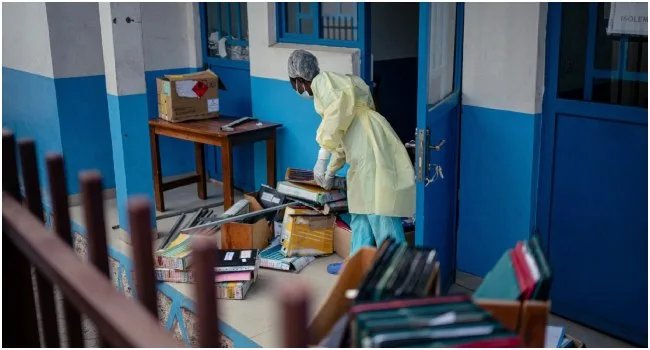
The Ebola outbreak in the Democratic Republic of Congo has killed 88 people, prompting the World Health Organization (WHO) to declare a public health emergency of international concern. This decision was made after the outbreak, which originated in eastern Congo's Ituri province, spread to neighbouring Uganda and Congo's capital, Kinshasa.
And yet, despite the increasing regional movement across African countries, Nigeria hasn't confirmed a case of Ebola Virus Disease (EVD). The Nigeria Centre for Disease Control and Prevention (NCDC) is, however, actively strengthening surveillance. In a statement by its Director General, Jide Idris, on Sunday, the NCDC noted that it's also ramping up laboratory readiness, infection prevention, and public awareness efforts across the country.
But what's the situation on the ground? The outbreak involves the rare Bundibugyo strain of Ebola, which doesn't have an approved vaccine or treatment. Health authorities say the outbreak poses a high regional risk because infections have already been detected in Uganda. The NCDC boss describes Ebola virus disease as a severe viral illness transmitted through direct contact with the blood, bodily fluids, secretions, or contaminated materials of infected persons or animals.
'NCDC is closely monitoring the situation and working with relevant stakeholders, including the Port Health Services, to ensure continued vigilance and preparedness within the public health system,' said Jide Idris.
The WHO says there are now eight laboratory-confirmed cases of the virus, with other suspected cases and deaths across three health zones. One case of the virus has been confirmed in the capital Kinshasa, believed to be in a patient returning from Ituri. The WHO says that the virus has spread beyond DR Congo, with two confirmed cases reported in neighbouring Uganda.
So what happens next? The NCDC will continue to monitor the situation closely and provide updates as necessary. Nigerians are advised to remain calm, maintain good hand hygiene, avoid misinformation, and report unusual illnesses promptly. Nigeria gained international recognition for successfully containing an Ebola outbreak in 2014 after an infected traveller arrived in Lagos from Liberia. It's worth noting that this experience will help Nigeria respond to any potential outbreak. The country's health system is better prepared now, and it won't be caught off guard if a case is reported.
- 88 people have died in the Congo outbreak
- The outbreak involves the rare Bundibugyo strain of Ebola
- There's no approved vaccine or treatment for this strain
- There are 8 laboratory-confirmed cases of the virus
- The outbreak has spread to Uganda and Kinshasa
- Nigeria hasn't confirmed a case, but it's on high alert
The outbreak is a serious concern, and the WHO is working to contain it. The international community is providing support to affected countries, and Nigeria is taking precautions to prevent the spread of the virus. It's a complex situation, and the NCDC is working hard to ensure that Nigeria doesn't report a case. The country's preparedness efforts are in place, and they're being strengthened every day. The NCDC won't compromise on the health and safety of Nigerians, and it will do everything possible to prevent an outbreak.