

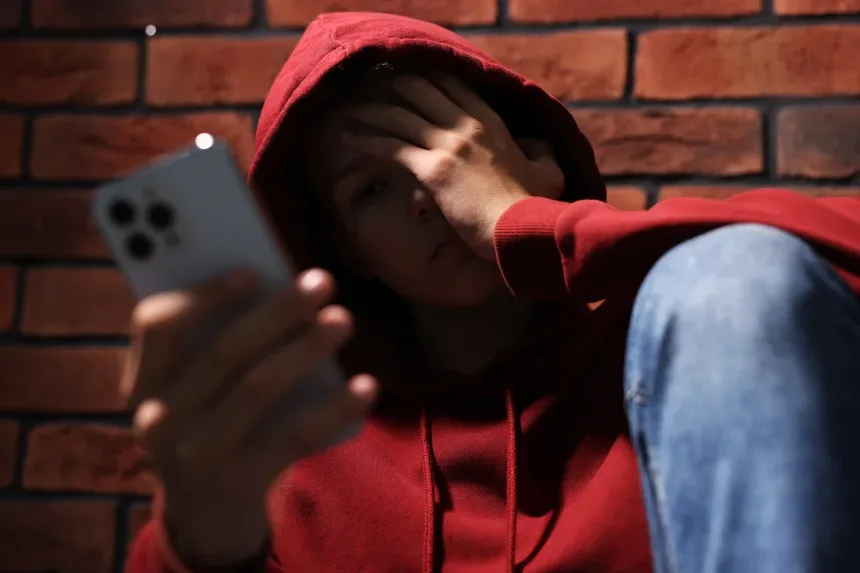
Nearly one in five young people are now turning to AI chatbots when they feel sad, nervous, or stressed — and most of them say the advice helps. But does it actually help their mental health? Not necessarily, according to experts.
The study, published June 1 in JAMA Pediatrics, surveyed 1,009 adolescents and young adults aged 12 to 21 across the United States. Researchers found that 19% — representing more than 8 million young people nationally — had used AI chatbots for emotional support. Among those, over 40% used the bots at least monthly. And more than 91% said the advice was somewhat or very helpful.
But Dr. Leana Wen, an emergency physician and clinical associate professor at George Washington University, says that doesn't mean the chatbots are improving mental health. "AI chatbots are often designed to be engaging and agreeable, even flattering and sycophantic," Wen told CNN. "They can make users feel heard and validated, but that's not the same as evidence-based mental healthcare."
The Risks Behind the Chat
The main worry is accuracy. Chatbots can "hallucinate" — make up information that sounds convincing but is wrong, even dangerous. They can't recognise when someone needs urgent help, like a person considering self-harm or suicide.
Second, chatbots tend to agree with users. If a young person shares a distorted belief or unhealthy coping idea, the bot may validate it instead of challenging it. That can reinforce harmful thinking.
Third, some teens may delay seeing a real therapist because they feel the chatbot is enough. For mild stress, that might be fine. For serious depression, anxiety, or suicidal thoughts, a delay can be deadly. There have already been cases where parents blamed AI bots for their children's mental health harms and suicides.
Why Young People Choose Bots
The reasons are obvious, Wen says. Chatbots are available 24/7, respond instantly, don't judge, and feel private. For a teenager embarrassed to talk to a parent or counsellor, typing into a chatbot feels safer.
Interestingly, the study found that young people who had recently discussed mental health with a doctor were more likely to use chatbots. That suggests bots are being used alongside traditional care, not instead of it — at least for now.
The study was done in the US, but the trend is global. In Ghana, where mental health services are scarce and stigma is high, AI chatbots could fill a gap — or create new risks. The country has about 18 psychiatrists for a population of 33 million, according to the Ghana Health Service. Many young people have no access to professional help. Chatbots, which run on smartphones, are far more reachable.
But the same dangers apply. A chatbot can't diagnose depression, can't spot suicidal warning signs, and can't refer someone to a local clinic. Without proper regulation, Ghanaian youth could be relying on tools that sound helpful but aren't.
What Should Parents Do?
Wen advises parents to talk openly with their children about AI use. Ask if they've tried chatbots for emotional support. Explain that while the bots can be a starting point, they aren't a replacement for a real person — especially a trained professional. If a child is struggling, seek a therapist or counsellor.
The study's authors also recommend that AI developers add clear disclaimers and crisis resources to their chatbots. For now, the burden falls on families and schools to guide young people toward safe support.
"You wouldn't go to just anyone for your medical care, and you shouldn't just go to a general-purpose AI tool for your mental healthcare." — Dr. Leana Wen