

Heavy rains and flooding are turning parts of Ghana into breeding grounds for disease, and public health officials are sounding the alarm.
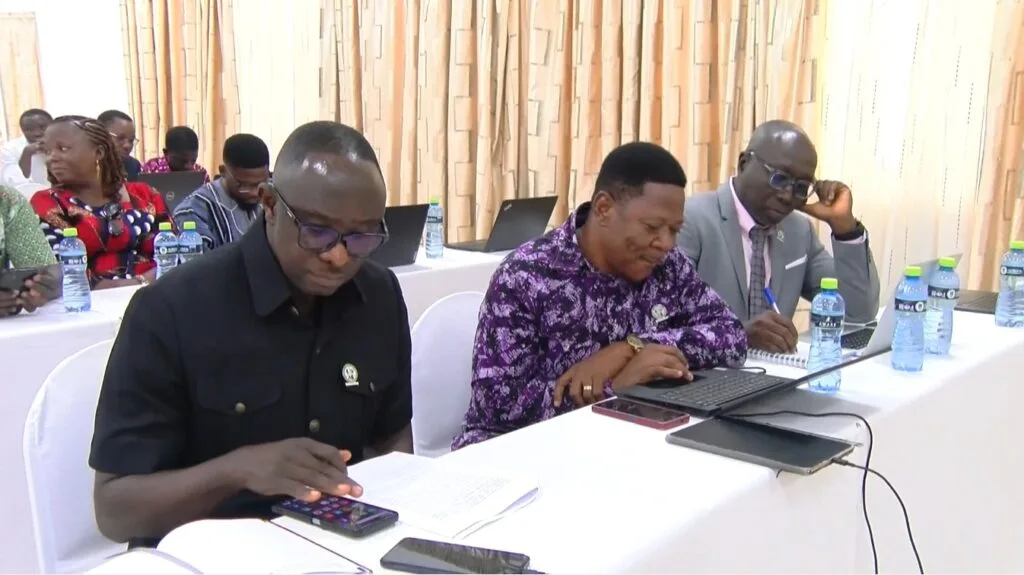
Cholera, malaria, and other water-borne diseases are at heightened risk as floodwaters mix with sewage and contaminate drinking sources, according to the Ghana Association of Public Health Technical Officers (GAPHTO). The warning came at a training programme on public health communication held in Accra on Friday.
"Whenever there is rain, we talk about cholera," said Joseph Owusu Asante, National President of GAPHTO. "All diseases that move along with contaminated water are likely to come because floods can mix water sources with excreta and other pollutants."
Asante said disease control officers are already on the ground monitoring communities, health facilities, and points of entry for signs of outbreaks. They're also watching for imported infections like Ebola and mpox. But he admitted the system is stretched thin: "We need more personnel to strengthen disease surveillance."
The flooding isn't new — several communities across the country get hit every rainy season. But this year, the scale of the rains has been severe, raising fears that the usual precautions may not be enough.
Angela Acheampomaa, District Director of Health Services for Kwahu East, added her voice to the warning. She said flooding can contaminate food and water bodies, leading to spikes in cholera and malaria. Her advice: wash fruits and vegetables thoroughly, wash hands regularly, stop dumping waste anywhere, and see a doctor quickly if you start vomiting or have diarrhoea.
She also flagged a growing problem that makes the job harder — health misinformation, especially on social media. "Misinformation is everywhere," Acheampomaa said. "As public health officers, our responsibility is to provide the right information so people can make informed decisions about their health."
Poor sanitation is a longstanding issue in many Ghanaian communities. Open defecation, indiscriminate waste disposal, and inadequate drainage systems are common, especially in urban slums and rural areas. When heavy rains come, these problems become deadly.
The GAPHTO training programme was themed "Strengthening Public Health Communication and Publicity for Effective Service Delivery and GAPHTO Visibility." The goal was to equip officers with skills to counter misinformation and get accurate health messages to the public.
For now, the message is simple: the rains are here, the water is dirty, and diseases are waiting. Wash your hands. Clean your food. And if you feel sick, don't wait — go to the clinic.