

The single sharpest fact in one or two punchy sentences is that for decades, Southern California quietly developed one of the most sophisticated—and least understood—healthcare delivery models in America: the delegated model of care.
This model emerged from California's HMO ecosystem and operated on a deceptively simple idea: move financial responsibility and operational control closer to physicians themselves. Instead of health plans tightly controlling every utilization decision, physician organizations—medical groups and independent practice associations—accepted prospective payments (usually as a high % of a health plan's premium revenue) and assumed responsibility for managing the care of entire patient populations.
The delegated model was shaped by a generation of physician entrepreneurs and healthcare leaders, including Leeba Lessin and Dr. Sheldon Zinberg, alongside pioneers such as Richard Merkin at Heritage Provider Network and Robert Margolis at HealthCare Partners. These leaders understood something earlier than much of the rest of American healthcare: physicians could not meaningfully improve outcomes if they remained trapped inside fragmented payment structures rewarding episodic encounters instead of longitudinal accountability.
CareMore Health, which did not emerge from abstract policy theory, is a prime example of the delegated model's power. Instead of maximizing office visits, CareMore built an operating system around proactive intervention. Extensivists followed patients across inpatient and outpatient settings. Nurse practitioners ran chronic disease clinics. Behavioral health, fitness programs, social support, and care management became embedded operational functions rather than peripheral services.
The model allowed physicians to hire teams they otherwise could not afford. To invest in prevention. To coordinate across settings. To create entirely new clinical roles. To focus on keeping patients healthy rather than maximizing billable encounters. And importantly, it created physician organizations with operational muscles many health systems elsewhere never developed.
As physicians assumed financial responsibility for patient populations, California medical groups built sophisticated infrastructures around utilization management, chronic disease management, referral coordination, post-acute management, and population health analytics. That infrastructure is one reason California has long stood apart in managed care.
Critics have long worried that capitated payment arrangements create incentives to withhold care. Those concerns should not be dismissed lightly. Any system built around financial accountability requires strong oversight, ethical leadership, and constant vigilance against under-treatment. But the delegated model also forced physician organizations to confront a reality much of American healthcare still struggles to address: someone must actually be responsible for the patient across time.
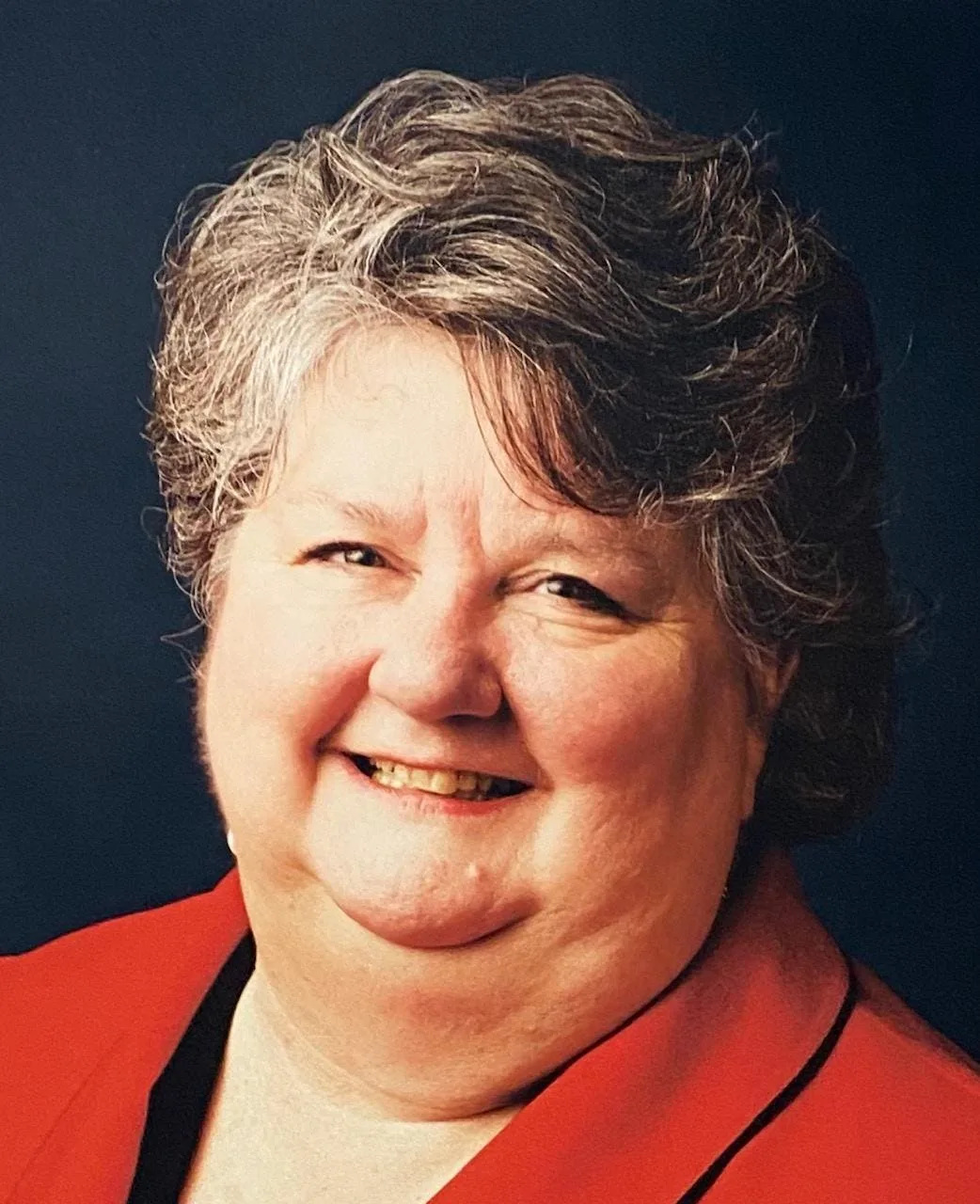
A pull quote from Lessin highlights the model's significance: “capitation was seen as freedom, not risk." This mindset shift—more than the payment mechanism itself—is what made the delegated model so powerful.
Delegated organizations often inherited many of the same administrative burdens traditionally associated with insurers. Medical groups and IPAs managed utilization, directed referrals, negotiated with downstream providers, administered networks, and in some arrangements even paid claims on behalf of health plans. The operational complexity could be immense, and poorly managed delegation sometimes simply relocated bureaucracy rather than eliminating it.
But the delegated model remains one of the few large-scale American healthcare models that genuinely attempted to align physician incentives around total patient outcomes rather than unit production. It is not simply a payment mechanism layered on top of fee-for-service operations. That is also why many organizations fail when they attempt delegation superficially.
The success of the delegated model in California has lessons for the rest of the US healthcare system. As healthcare leaders consider new models for delivering care, they would do well to examine the successes and challenges of the delegated model in detail.
The delegated care model could revolutionize US healthcare if replicated nationwide. However, it also poses significant challenges and uncertainties for both healthcare leaders and policymakers. Its success is dependent on various factors, including operational complexity, administrative burdens, and the ability to align physician incentives around total patient outcomes.