

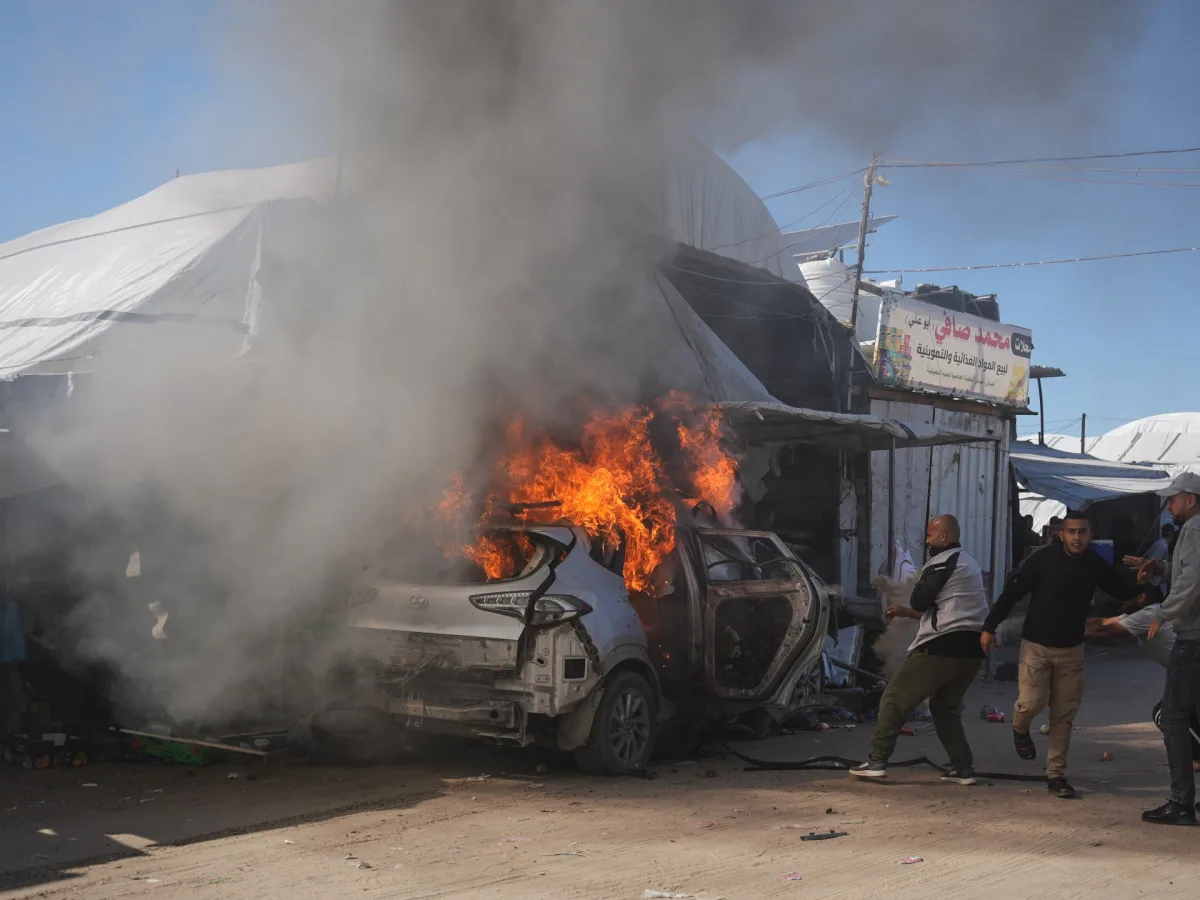
The Gaza Strip, a coastal region bordering Egypt and Israel, has long been a flashpoint in the Israeli-Palestinian conflict. On a single day, five Palestinians lost their lives in separate Israeli strikes across Gaza. The attacks, which Israel claims are targeted at militants, have raised concerns about the escalating violence in the region. Yet, it's the civilians who are often caught in the crossfire, leading to a humanitarian crisis. The international community has called for restraint, but the situation remains volatile.
And the problem isn't just the immediate loss of life. The strikes also cause significant damage to infrastructure, including homes, hospitals, and schools. This has a ripple effect, exacerbating the already dire living conditions in Gaza. The economy is in shambles, and the healthcare system is on the brink of collapse. So, when Israel launches airstrikes, it's not just the immediate targets that suffer; it's the entire population that feels the repercussions.
But what leads to these strikes? Israel says it's responding to militant activity, including rocket attacks from Gaza into Israeli territory. However, the Palestinians argue that these actions are a form of resistance against the Israeli occupation. The conflict is complex, with deep historical roots that make it difficult to find a peaceful resolution. The international community has proposed various solutions, including a two-state solution, but so far, none have come to fruition.
So, who are the key players in this conflict? On one side, there's the Israeli government, led by Prime Minister Benjamin Netanyahu, who has taken a hardline stance against Palestinian militants. On the other, there are various Palestinian factions, including Hamas, which controls Gaza and has been labeled a terrorist organization by Israel and several other countries. The dynamic between these groups is tense, with each side accusing the other of aggression.
Key Facts
- Five Palestinians were killed in Israeli strikes across Gaza.
- The attacks occurred in a single day.
- Israel claims the targets were militants.
- The strikes caused significant damage to infrastructure.
- The Gaza Strip is a coastal region bordering Egypt and Israel.
- The Israeli-Palestinian conflict has deep historical roots.
- The international community has proposed a two-state solution.
- Benjamin Netanyahu is the Prime Minister of Israel.
- Hamas controls Gaza and is labeled a terrorist organization by Israel.
Historical Context
The Israeli-Palestinian conflict is over a century old, with its roots in the early 20th-century Zionist movement, which sought to establish a Jewish homeland in Palestine. Over the years, the conflict has evolved, with various wars and agreements attempting to resolve the issue. However, a lasting peace has yet to be achieved. The creation of Israel in 1948 led to the displacement of hundreds of thousands of Palestinians, known as the Nakba or "catastrophe" in Arabic. This event is still commemorated by Palestinians today and is a significant point of contention between the two sides.

The history of the conflict is complex, with multiple actors and events contributing to the current situation. The 1967 Six-Day War, for example, saw Israel occupy the Gaza Strip and the West Bank, territories that were then under Egyptian and Jordanian control, respectively. Since then, Israel has maintained a military presence in these areas, leading to ongoing tensions with the Palestinian population. The Oslo Accords of the 1990s aimed to establish a framework for peace, but the process has stalled, and violence continues to erupt.
And the impact of this history is still felt today. The Israeli government's policy of settlement expansion in the West Bank, for instance, is seen by many as an obstacle to peace. These settlements are considered illegal under international law, yet they continue to grow, leading to further displacement of Palestinians. The situation in Gaza is particularly dire, with the strip facing severe economic and humanitarian crises due to the Israeli blockade and internal conflicts between Palestinian factions.
The Humanitarian Crisis
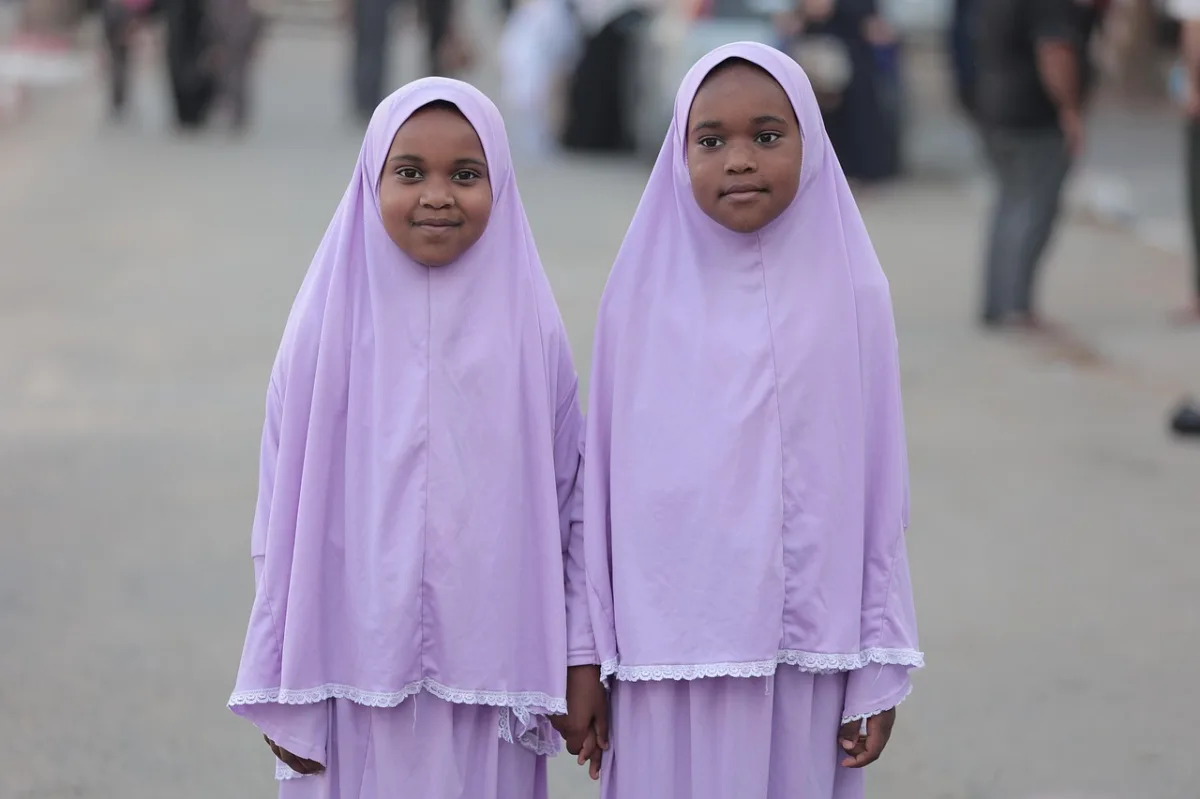
The humanitarian situation in Gaza is alarming. The strip, which is home to over 2 million people, faces severe shortages of food, water, and medical supplies. The healthcare system is on the verge of collapse, with hospitals often unable to provide even basic care due to lack of resources. The psychological impact on the population, especially children, is also significant, with many suffering from trauma and anxiety due to the constant threat of violence.
The international community has called for an end to the blockade and for Israel to allow the free flow of goods and people into and out of Gaza. However, Israel argues that the blockade is necessary to prevent militant activity, including the smuggling of weapons. The situation is further complicated by the internal divisions within the Palestinian leadership, which hampers the ability to negotiate effectively with Israel. Yet, it's clear that the humanitarian crisis in Gaza won't be solved without a political solution to the conflict.
But there are efforts underway to address the humanitarian needs. Various NGOs and international organizations are working to provide aid, including food, shelter, and medical care. These efforts, however, are often hindered by the blockade and the lack of access to the strip. The international community must do more to pressure Israel to ease the blockade and to support a peaceful resolution to the conflict.
The Role of the International Community
The international community has a significant role to play in resolving the Israeli-Palestinian conflict. The United Nations, the European Union, and the United States, among others, have all been involved in efforts to broker peace. However, their approaches have often been criticized for being ineffective or biased towards one side. A balanced approach that recognizes the rights and concerns of both Israelis and Palestinians is crucial.
The two-state solution, which envisages the creation of an independent Palestinian state alongside Israel, is widely seen as the most viable path to peace. However, this solution faces significant obstacles, including the expansion of Israeli settlements in the West Bank and the internal divisions within the Palestinian leadership. The international community must work to address these challenges and to support negotiations that are fair and inclusive.
The situation in Gaza is a stark reminder of the human cost of conflict. As one resident noted, "We just want to live in peace, to be able to provide for our families without the constant fear of airstrikes and poverty." Their plea underscores the urgency of finding a lasting solution to the conflict, one that respects the rights and dignity of all people involved.
The Way Forward
Finding a way forward in the Israeli-Palestinian conflict is fraught with challenges. Both sides have deeply entrenched positions, and the history of failed negotiations and agreements has led to skepticism about the possibility of peace. However, it's clear that the status quo is unsustainable. The ongoing violence and humanitarian crisis in Gaza, coupled with the expanding settlements in the West Bank, threaten to derail any hopes of a peaceful resolution.
So, what's the next step? The international community must continue to push for a negotiated settlement based on the two-state solution. This requires pressure on both Israel and the Palestinian leadership to make concessions and to negotiate in good faith. The role of third-party mediators, such as the United States, the European Union, and the United Nations, will be crucial in facilitating these negotiations.
And there are reasons to believe that a peaceful resolution is possible. Despite the current impasse, there are voices on both sides calling for peace and an end to the violence. These voices, though often drowned out by the more militant factions, represent a glimmer of hope. They underscore that, despite the deep divisions, there is a shared desire among Israelis and Palestinians to live in peace and security.
Conclusion
The recent Israeli strikes in Gaza, which killed five Palestinians, are a stark reminder of the ongoing conflict in the region. The situation is complex, with deep historical roots and multiple actors involved. The humanitarian crisis in Gaza is dire, and the international community must do more to address it. A peaceful resolution to the conflict, based on a two-state solution, is the only way to ensure lasting peace and security for both Israelis and Palestinians. It's a challenging road ahead, but one that must be pursued with urgency and determination.
Future Prospects
Looking ahead, the prospects for peace in the Israeli-Palestinian conflict seem uncertain. The current political climate, both within Israel and among the Palestinian leadership, does not favor significant concessions or a return to negotiations. However, there are always opportunities for change. A shift in political leadership, international pressure, or a grassroots movement for peace could potentially alter the dynamics of the conflict.
But for now, the situation remains tense. The Gaza Strip continues to face significant challenges, from the humanitarian crisis to the threat of further Israeli strikes. The international community must remain vigilant, pushing for a peaceful resolution and supporting efforts to alleviate the suffering of the Palestinian population. It's a long-term commitment, requiring patience, persistence, and a clear vision of what a peaceful future could look like.
And in the midst of this uncertainty, there are stories of resilience and hope. Palestinians in Gaza, despite the odds, continue to build their lives, to educate their children, and to dream of a better future. Their resilience is a testament to the human spirit, a reminder that even in the darkest of times, there is always a way forward. It's this spirit that must be nurtured and supported, as the international community works towards a lasting peace in the region.