

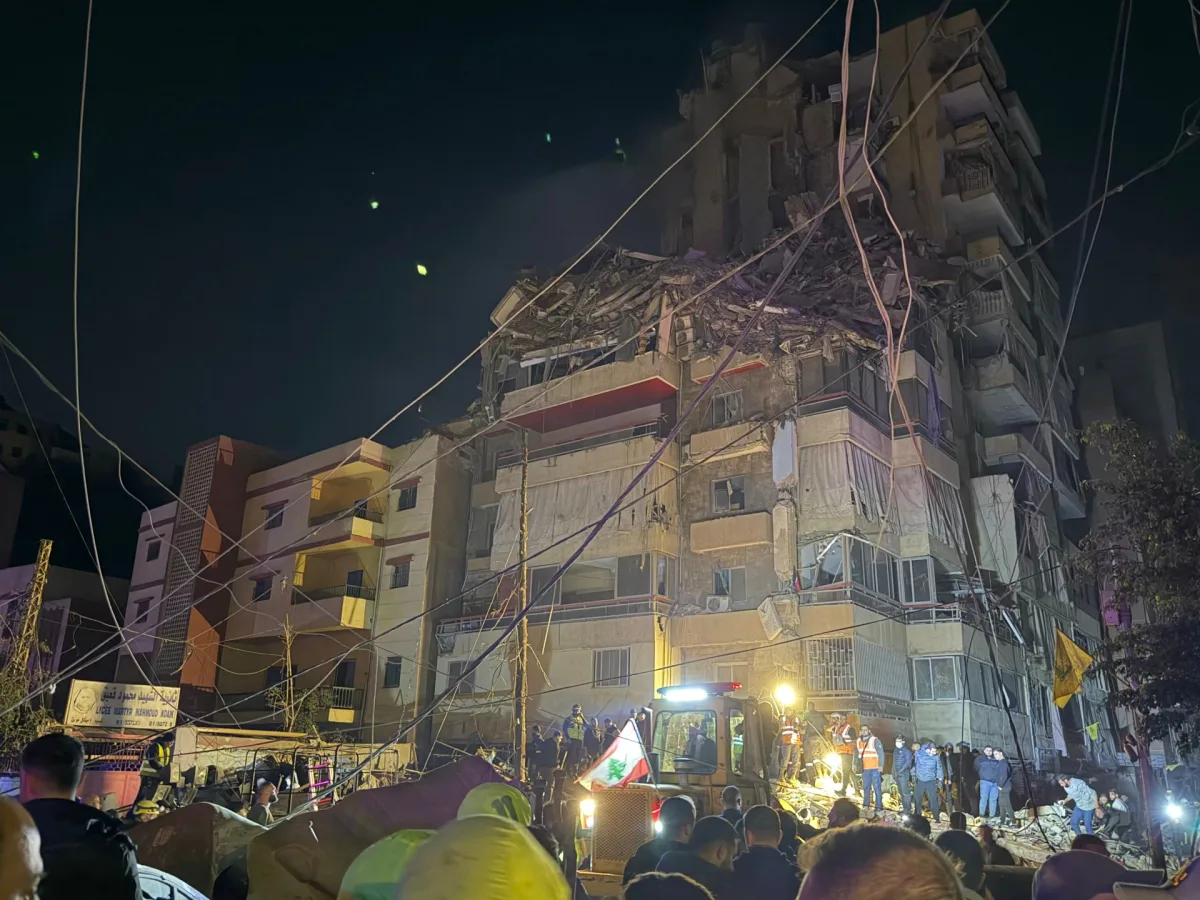
The streets of Beirut's southern suburb were filled with the sound of explosions and gunfire as Israel launched an airstrike, targeting a Hezbollah commander. The attack, which was the first on the area since a truce in the Israel-Hezbollah war went into force on April 17, has raised concerns about escalating tensions in the region. Israel has been monitoring the situation in Lebanon closely, and the airstrike is seen as a response to the growing threat posed by Hezbollah. The militant group has been accused of carrying out attacks on Israeli targets, and Israel has vowed to take action against it. The situation in the region remains volatile, and the international community is watching with concern.
The Israel-Hezbollah war, which began in 2006, has had a profound impact on the region. The conflict has resulted in the loss of thousands of lives and has caused significant damage to infrastructure. The truce that was put in place in 2006 has held, but there have been occasional outbreaks of violence. The latest airstrike is a significant development in the conflict, and it remains to be seen how Hezbollah will respond. The group has stated that it will not be intimidated by the attack and will continue to defend its territory.
Hezbollah, which is a militant group based in Lebanon, has been accused of carrying out attacks on Israeli targets. The group is backed by Iran, and its influence in the region has grown significantly in recent years. Israel has been monitoring the situation in Lebanon closely, and the airstrike is seen as a response to the growing threat posed by Hezbollah. The international community has called for calm and restraint, but the situation in the region remains volatile. The United States, which is a key ally of Israel, has stated that it supports Israel's right to defend itself, but has also called for restraint.
The situation in the region is complex, and there are many different factors at play. The conflict between Israel and Hezbollah is just one part of a larger picture, and there are many other players involved. The international community is watching with concern, and there are fears that the situation could escalate further. The United Nations has called for calm and restraint, and has urged all parties to respect the truce that is in place. The situation remains volatile, and it is unclear what the future holds.
Key Facts
- The airstrike was launched on Beirut's southern suburb, targeting a Hezbollah commander.
- The attack is the first on the area since a truce in the Israel-Hezbollah war went into force on April 17.
- Israel has been monitoring the situation in Lebanon closely, and the airstrike is seen as a response to the growing threat posed by Hezbollah.
- Hezbollah has been accused of carrying out attacks on Israeli targets.
- The group is backed by Iran, and its influence in the region has grown significantly in recent years.
- The international community has called for calm and restraint.
- The United States has stated that it supports Israel's right to defend itself, but has also called for restraint.
- The situation in the region remains volatile, and there are fears that the situation could escalate further.
Background to the Conflict
The conflict between Israel and Hezbollah is long-standing and complex. The two sides have been enemies for many years, and there have been numerous outbreaks of violence. The conflict is fueled by a range of factors, including territorial disputes, ideological differences, and regional power struggles. Israel has been concerned about the growing threat posed by Hezbollah, and has taken action to defend itself. Hezbollah, on the other hand, sees itself as a resistance movement, fighting against Israeli occupation and aggression.

The conflict has had a profound impact on the region, and has resulted in the loss of thousands of lives. The humanitarian situation is dire, and there are many people in need of assistance. The international community has called for a peaceful resolution to the conflict, but a lasting solution has yet to be found. The situation remains volatile, and there are fears that the situation could escalate further. The latest airstrike is a significant development in the conflict, and it remains to be seen how Hezbollah will respond.
The history of the conflict between Israel and Hezbollah is complex and multifaceted. The two sides have been enemies for many years, and there have been numerous outbreaks of violence. The conflict is fueled by a range of factors, including territorial disputes, ideological differences, and regional power struggles. Israel has been concerned about the growing threat posed by Hezbollah, and has taken action to defend itself. Hezbollah, on the other hand, sees itself as a resistance movement, fighting against Israeli occupation and aggression.
The Role of Iran
Iran has played a significant role in the conflict between Israel and Hezbollah. The country has provided financial and military support to Hezbollah, and has helped to fuel the group's growth and influence in the region. Iran's involvement in the conflict is seen as a key factor in the escalation of tensions between Israel and Hezbollah. The international community has called on Iran to stop its support for Hezbollah, but the country has refused to do so.
Iran's support for Hezbollah is part of its broader strategy in the region. The country is seeking to expand its influence and challenge the dominance of other powers, including the United States and Israel. Iran's involvement in the conflict has helped to fuel the growth of Hezbollah, and has contributed to the escalation of tensions in the region. The international community is watching with concern, and there are fears that the situation could escalate further.
The role of Iran in the conflict is complex and multifaceted. The country's support for Hezbollah is just one part of its broader strategy in the region. Iran is seeking to expand its influence and challenge the dominance of other powers, including the United States and Israel. The country's involvement in the conflict has helped to fuel the growth of Hezbollah, and has contributed to the escalation of tensions in the region.
The International Community's Response
The international community has responded to the latest airstrike with concern. The United Nations has called for calm and restraint, and has urged all parties to respect the truce that is in place. The United States has stated that it supports Israel's right to defend itself, but has also called for restraint. The European Union has also called for calm and restraint, and has urged all parties to work towards a peaceful resolution to the conflict.
The international community is watching with concern, and there are fears that the situation could escalate further. The conflict between Israel and Hezbollah is just one part of a larger picture, and there are many other players involved. The situation is complex and multifaceted, and there are many different factors at play. The international community is seeking to find a peaceful resolution to the conflict, but a lasting solution has yet to be found.
The response of the international community to the conflict is crucial. The situation is volatile, and there are fears that the situation could escalate further. The international community must work together to find a peaceful resolution to the conflict, and to prevent further violence. The United Nations has a key role to play in this effort, and must work to bring all parties to the table.
The Humanitarian Situation
The humanitarian situation in the region is dire. The conflict has resulted in the loss of thousands of lives, and there are many people in need of assistance. The international community has called for a peaceful resolution to the conflict, but a lasting solution has yet to be found. The situation remains volatile, and there are fears that the situation could escalate further.
The humanitarian situation is complex and multifaceted. The conflict has had a profound impact on the region, and has resulted in the loss of thousands of lives. There are many people in need of assistance, and the international community must work to provide aid and support. The situation is dire, and there are fears that the situation could escalate further.
The humanitarian situation in the region is a matter of grave concern. The conflict has resulted in the loss of thousands of lives, and there are many people in need of assistance. The international community must work to provide aid and support, and to find a peaceful resolution to the conflict.
The Future of the Conflict
The future of the conflict between Israel and Hezbollah is uncertain. The situation remains volatile, and there are fears that the situation could escalate further. The international community is watching with concern, and there are many different factors at play. The conflict is complex and multifaceted, and there are many different players involved.
The future of the conflict is dependent on many different factors. The situation is complex and multifaceted, and there are many different players involved. The international community must work to find a peaceful resolution to the conflict, and to prevent further violence. The United Nations has a key role to play in this effort, and must work to bring all parties to the table.
The conflict between Israel and Hezbollah is just one part of a larger picture. The situation in the region is complex and multifaceted, and there are many different factors at play. The international community must work to find a peaceful resolution to the conflict, and to prevent further violence. The future of the conflict is uncertain, and there are many different possible outcomes. The situation remains volatile, and there are fears that the situation could escalate further.
Conclusion
The conflict between Israel and Hezbollah is a complex and multifaceted issue. The situation is volatile, and there are fears that the situation could escalate further. The international community must work to find a peaceful resolution to the conflict, and to prevent further violence. The United Nations has a key role to play in this effort, and must work to bring all parties to the table. The future of the conflict is uncertain, and there are many different possible outcomes.
The situation remains volatile, and there are fears that the situation could escalate further.
The conflict between Israel and Hezbollah is just one part of a larger picture. The situation in the region is complex and multifaceted, and there are many different factors at play. The international community must work to find a peaceful resolution to the conflict, and to prevent further violence. The situation is dire, and there are many people in need of assistance. The international community must work to provide aid and support, and to find a peaceful resolution to the conflict.
The conflict between Israel and Hezbollah is a matter of grave concern. The situation is volatile, and there are fears that the situation could escalate further. The international community must work to find a peaceful resolution to the conflict, and to prevent further violence. The future of the conflict is uncertain, and there are many different possible outcomes. The situation remains volatile, and there are fears that the situation could escalate further.