

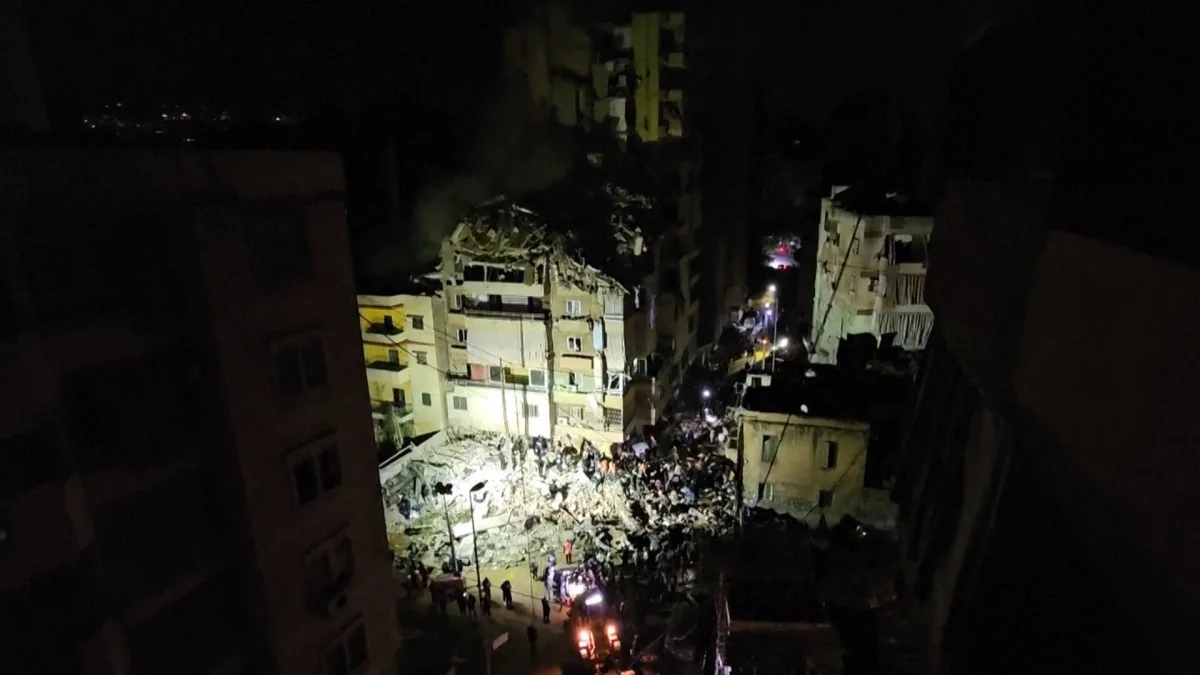
Israel's decision to launch airstrikes on Beirut's southern suburbs has sent shockwaves throughout the region. The attack, which occurred for the first time since the ceasefire took effect on April 17, has raised concerns about the fragile peace in the area. The suburbs, which are predominantly Shia Muslim, have been a stronghold of the Hezbollah militant group. Israel has long considered Hezbollah a significant threat to its national security. The airstrikes are a clear indication that Israel is willing to take bold action to protect its interests.
The situation in the region is complex and multifaceted. The ceasefire, which was brokered by international leaders, was intended to bring an end to the violence that had been plaguing the area. However, the airstrikes have raised questions about the effectiveness of the ceasefire and the ability of the parties involved to adhere to its terms. The international community is calling for calm and restraint, but the situation remains volatile. The people of Beirut are bracing themselves for further violence, and the humanitarian situation is becoming increasingly dire.

The history of the conflict between Israel and Hezbollah is long and complicated. The two sides have been locked in a struggle for years, with each side accusing the other of aggression and terrorism. The conflict has had a devastating impact on the people of the region, who have been caught in the crossfire. The international community has been working to broker a peace agreement, but progress has been slow. The airstrikes are a setback to these efforts and have raised fears that the conflict could escalate further.
The people of Beirut are struggling to come to terms with the latest developments. Many are fleeing the city, seeking safety in other parts of the country. Others are staying behind, determined to protect their homes and their communities. The situation is desperate, and the need for a lasting peace is more urgent than ever. The international community must work together to find a solution to the conflict, one that takes into account the needs and concerns of all parties involved.
Key Facts
- Israel launched airstrikes on Beirut's southern suburbs for the first time since the ceasefire took effect on April 17.
- The suburbs are predominantly Shia Muslim and are a stronghold of the Hezbollah militant group.
- The international community is calling for calm and restraint.
- The situation in the region is complex and multifaceted.
- The conflict between Israel and Hezbollah has been ongoing for years.
- The people of Beirut are struggling to come to terms with the latest developments.
- The humanitarian situation is becoming increasingly dire.
- The international community is working to broker a peace agreement.
- The airstrikes are a setback to these efforts.
- The conflict has had a devastating impact on the people of the region.
The History of the Conflict
The conflict between Israel and Hezbollah has a long and complicated history. The two sides have been locked in a struggle for years, with each side accusing the other of aggression and terrorism. The conflict has its roots in the early 1980s, when Israel invaded Lebanon in an attempt to drive out Palestinian militants. The invasion led to the formation of Hezbollah, which was initially a small militia group but quickly grew into a powerful force. Over the years, the conflict has ebbed and flowed, with periods of relative calm punctuated by outbreaks of violence.

The conflict has had a devastating impact on the people of the region. Many have been killed or injured, and countless others have been displaced from their homes. The conflict has also had a significant impact on the economy, with trade and commerce severely disrupted. The international community has been working to broker a peace agreement, but progress has been slow. The airstrikes are a setback to these efforts and have raised fears that the conflict could escalate further.
The history of the conflict is complex and multifaceted. There are many different perspectives and interpretations, and it is difficult to pinpoint a single cause or solution. However, it is clear that the conflict has had a profound impact on the people of the region, and that a lasting peace is urgently needed. The international community must work together to find a solution, one that takes into account the needs and concerns of all parties involved.
The Role of Hezbollah
Hezbollah is a militant group that was formed in the early 1980s in response to the Israeli invasion of Lebanon. The group is predominantly Shia Muslim and has been accused of terrorism by Israel and other countries. However, Hezbollah also has a significant political presence in Lebanon, and its members hold seats in the country's parliament. The group has been involved in numerous conflicts with Israel over the years, and its military wing is considered to be one of the most powerful in the region.
Hezbollah's role in the conflict is complex and multifaceted. The group has been accused of launching attacks on Israeli civilians, but it also provides significant social and economic support to the people of Lebanon. The group's military wing is well-trained and well-equipped, and it has been involved in numerous battles with Israeli forces. The airstrikes on Beirut's southern suburbs are a clear indication that Israel is willing to take bold action to protect its interests, but they also raise questions about the effectiveness of the ceasefire and the ability of the parties involved to adhere to its terms.
The international community has been working to weaken Hezbollah's military wing, but the group remains a significant force in the region. The airstrikes are a setback to these efforts, and they have raised fears that the conflict could escalate further. The people of Beirut are bracing themselves for further violence, and the humanitarian situation is becoming increasingly dire. The need for a lasting peace is more urgent than ever, and the international community must work together to find a solution.
The International Response
The international community has been quick to respond to the airstrikes on Beirut's southern suburbs. Leaders from around the world have called for calm and restraint, and there have been numerous diplomatic efforts to broker a peace agreement. The United Nations has played a key role in these efforts, and the organization's secretary-general has been working closely with the parties involved to find a solution.
The international response has been significant, but it has also been limited. The conflict is complex and multifaceted, and it is difficult to find a solution that takes into account the needs and concerns of all parties involved. The airstrikes are a clear indication that Israel is willing to take bold action to protect its interests, but they also raise questions about the effectiveness of the ceasefire and the ability of the parties involved to adhere to its terms.
The situation in the region is desperate, and the need for a lasting peace is more urgent than ever. The international community must work together to find a solution, one that takes into account the needs and concerns of all parties involved. This will require significant diplomatic efforts, as well as a commitment to providing humanitarian aid to those affected by the conflict.
The Humanitarian Situation
The humanitarian situation in Beirut is becoming increasingly dire. Many people have been displaced from their homes, and there is a significant shortage of food, water, and medical supplies. The airstrikes have damaged critical infrastructure, including hospitals and schools, and the city's economy is on the brink of collapse.
The international community is working to provide humanitarian aid to those affected by the conflict. numerous organizations, including the United Nations and the Red Cross, are working to provide food, water, and medical supplies to those in need. However, the situation is desperate, and the need for aid is urgent. The people of Beirut are struggling to survive, and the humanitarian situation is becoming increasingly dire.
The humanitarian situation is a clear indication of the devastating impact of the conflict on the people of the region. The airstrikes are a setback to efforts to broker a peace agreement, and they have raised fears that the conflict could escalate further. The international community must work together to find a solution, one that takes into account the needs and concerns of all parties involved. The people of Beirut are counting on it, and the need for a lasting peace is more urgent than ever.
The Future of the Conflict
The future of the conflict is uncertain, but one thing is clear: the need for a lasting peace is more urgent than ever. The airstrikes on Beirut's southern suburbs are a clear indication that Israel is willing to take bold action to protect its interests, but they also raise questions about the effectiveness of the ceasefire and the ability of the parties involved to adhere to its terms.
The international community must work together to find a solution, one that takes into account the needs and concerns of all parties involved. This will require significant diplomatic efforts, as well as a commitment to providing humanitarian aid to those affected by the conflict. The people of Beirut are counting on it, and the need for a lasting peace is more urgent than ever.
The conflict has had a devastating impact on the people of the region, and it is clear that a lasting peace is urgently needed. The international community must work together to find a solution, one that takes into account the needs and concerns of all parties involved. The future of the conflict is uncertain, but one thing is clear: the need for a lasting peace is more urgent than ever. The people of Beirut are bracing themselves for further violence, and the humanitarian situation is becoming increasingly dire. The international community must act quickly to find a solution, one that will bring peace and stability to the region.