

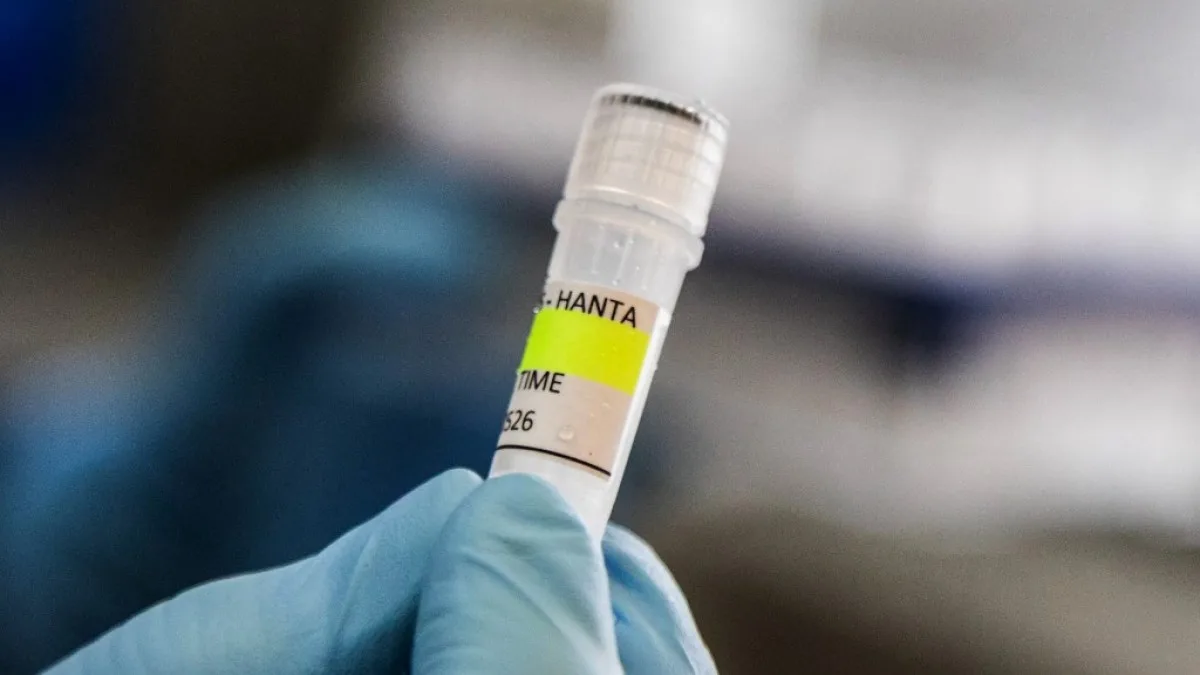
A remote island in the South Atlantic is at the center of a suspected hantavirus outbreak. The island, Tristan da Cunha, has a population of less than 300 people and is only accessible by boat. The UK has confirmed two British cases of hantavirus on a cruise ship that visited the island, and a suspected infection on the island itself. The news has raised concerns about the spread of the virus, which is rare but can be deadly. The UK is taking steps to contain the outbreak, including testing and monitoring those who may have been exposed.
The hantavirus is a type of virus that is carried by rodents and can be spread to humans through contact with infected urine, saliva, or feces. It's a serious disease that can cause symptoms such as fever, headache, and muscle pain, and can lead to more severe conditions like kidney failure and respiratory distress. The virus is rare in the UK, but it has been reported in other parts of the world, including the US and South America. The UK's National Health Service (NHS) is working to identify anyone who may have been exposed to the virus and is providing guidance on how to prevent its spread.
The cruise ship that visited Tristan da Cunha island has been quarantined, and all passengers and crew are being tested for the virus. The ship's owners have said that they are cooperating fully with the UK authorities and are taking all necessary steps to prevent the spread of the virus. The UK government has also set up a hotline for anyone who may have been exposed to the virus or who has concerns about its spread. The government is urging people to remain calm but to take precautions to avoid exposure to the virus.
The suspected case on Tristan da Cunha island is a concern because of the island's remote location and limited medical facilities. The island has a small hospital, but it is not equipped to deal with a major outbreak. The UK is sending a team of medical experts to the island to help contain the outbreak and provide support to the island's residents. The team will include doctors, nurses, and other medical professionals who will be able to provide treatment and care to anyone who may be infected.
Key Facts
- The UK has confirmed two British cases of hantavirus on a cruise ship.
- A suspected case of hantavirus has been identified on Tristan da Cunha island.
- The virus is rare but can be deadly.
- The UK is taking steps to contain the outbreak, including testing and monitoring those who may have been exposed.
- The cruise ship that visited Tristan da Cunha island has been quarantined.
- The UK government has set up a hotline for anyone who may have been exposed to the virus or who has concerns about its spread.
- The island of Tristan da Cunha has a population of less than 300 people.
- The island is only accessible by boat.
- The UK's National Health Service (NHS) is working to identify anyone who may have been exposed to the virus.
The Hantavirus
The hantavirus is a type of virus that is carried by rodents and can be spread to humans through contact with infected urine, saliva, or feces. It's a serious disease that can cause symptoms such as fever, headache, and muscle pain, and can lead to more severe conditions like kidney failure and respiratory distress. The virus is rare in the UK, but it has been reported in other parts of the world, including the US and South America. The UK's National Health Service (NHS) is working to identify anyone who may have been exposed to the virus and is providing guidance on how to prevent its spread.
The hantavirus is typically spread through contact with infected rodents or their droppings. It can also be spread through contact with contaminated food or water. The virus can survive for several hours outside of a host, which means that it can be spread through contact with contaminated surfaces or objects. The UK's NHS is urging people to take precautions to avoid exposure to the virus, including avoiding contact with rodents and their droppings, and washing hands regularly.
The symptoms of hantavirus infection can range from mild to severe. In mild cases, the symptoms may include fever, headache, and muscle pain. In more severe cases, the symptoms can include kidney failure, respiratory distress, and even death. The UK's NHS is urging anyone who may have been exposed to the virus to seek medical attention immediately if they experience any symptoms.
Tristan da Cunha Island
Tristan da Cunha island is a remote island in the South Atlantic, with a population of less than 300 people. The island is only accessible by boat, and it has limited medical facilities. The island's hospital is small and not equipped to deal with a major outbreak. The UK is sending a team of medical experts to the island to help contain the outbreak and provide support to the island's residents.
The island's residents are being urged to take precautions to avoid exposure to the virus, including avoiding contact with rodents and their droppings, and washing hands regularly. The UK's NHS is providing guidance on how to prevent the spread of the virus, and the island's authorities are working to contain the outbreak. The island's remote location and limited medical facilities make it a challenging place to respond to a suspected outbreak.
The island's economy is primarily based on fishing and tourism. The island's residents are proud of their unique culture and way of life, and they are working to preserve their island's natural beauty and unique ecosystem. The suspected outbreak of hantavirus is a concern for the island's residents, and they are working closely with the UK authorities to contain the outbreak.
The UK's Response
The UK is taking steps to contain the outbreak, including testing and monitoring those who may have been exposed. The UK's NHS is working to identify anyone who may have been exposed to the virus and is providing guidance on how to prevent its spread. The UK government has set up a hotline for anyone who may have been exposed to the virus or who has concerns about its spread.
The UK's response to the suspected outbreak is being led by the Department of Health and Social Care. The department is working closely with the UK's NHS, as well as with other government agencies and international partners. The UK is taking a proactive approach to containing the outbreak, and is working to prevent the spread of the virus.
The UK's authorities are urging people to remain calm but to take precautions to avoid exposure to the virus. The UK's NHS is providing guidance on how to prevent the spread of the virus, and the government is working to support those who may have been affected. The UK's response to the suspected outbreak is a testament to the country's strong public health system and its ability to respond to emerging health threats.
The Cruise Ship
The cruise ship that visited Tristan da Cunha island has been quarantined, and all passengers and crew are being tested for the virus. The ship's owners have said that they are cooperating fully with the UK authorities and are taking all necessary steps to prevent the spread of the virus. The ship's passengers and crew are being provided with support and care, and the ship's owners are working to minimize the disruption to their travel plans.
The cruise ship's itinerary has been changed, and the ship will not be visiting any other ports until the outbreak has been contained. The ship's owners are working to provide alternative arrangements for passengers who may have been affected by the outbreak. The ship's crew is being praised for their response to the suspected outbreak, and for their efforts to prevent the spread of the virus.
The cruise ship industry is taking the suspected outbreak seriously, and is working to prevent the spread of the virus. The industry is providing guidance to cruise ships on how to prevent the spread of the virus, and is working to support those who may have been affected. The suspected outbreak is a reminder of the importance of taking precautions to prevent the spread of infectious diseases, particularly in confined spaces like cruise ships.
The International Response
The international community is taking the suspected outbreak of hantavirus seriously, and is working to support the UK's response. The World Health Organization (WHO) is providing guidance and support to the UK, and is working to prevent the spread of the virus. The WHO is urging countries to take precautions to prevent the spread of the virus, and is providing guidance on how to respond to a suspected outbreak.
The international community is also providing support to Tristan da Cunha island, including medical supplies and personnel. The island's remote location and limited medical facilities make it a challenging place to respond to a suspected outbreak, and the international community is working to provide support and care to the island's residents. The suspected outbreak is a reminder of the importance of international cooperation in responding to emerging health threats.
The suspected outbreak of hantavirus is a serious concern, and it requires a coordinated response from the international community. The UK is taking a proactive approach to containing the outbreak, and is working to prevent the spread of the virus. The international community must support the UK's efforts, and work together to prevent the spread of the virus.
The Future
The suspected outbreak of hantavirus is a reminder of the importance of taking precautions to prevent the spread of infectious diseases. The UK is taking steps to contain the outbreak, and is working to prevent the spread of the virus. The international community is also providing support and guidance, and is working to prevent the spread of the virus.
The future of the suspected outbreak is uncertain, but one thing is clear: the UK and the international community must work together to contain the outbreak and prevent the spread of the virus. The suspected outbreak is a reminder of the importance of international cooperation in responding to emerging health threats, and it highlights the need for a coordinated response to prevent the spread of infectious diseases.
The UK's response to the suspected outbreak is a testament to the country's strong public health system and its ability to respond to emerging health threats. The UK is taking a proactive approach to containing the outbreak, and is working to prevent the spread of the virus. The international community must support the UK's efforts, and work together to prevent the spread of the virus. The suspected outbreak of hantavirus is a serious concern, and it requires a coordinated response from the international community.